What Constitutes Child Sexual Abuse Under Civil Law
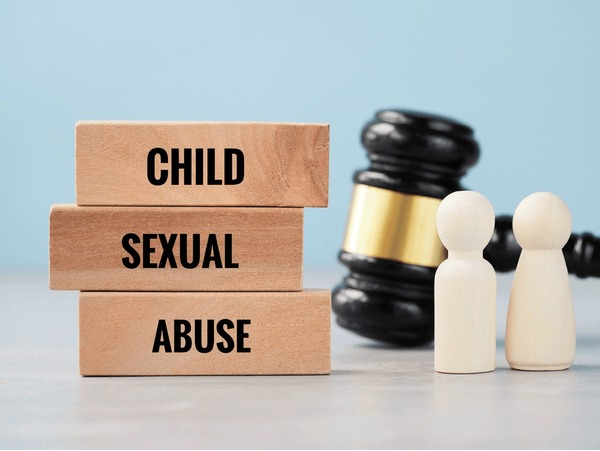
Child sexual abuse under civil law generally refers to any non-consensual sexual conduct, exploitation, or inappropriate sexual behavior directed toward a minor that causes emotional, psychological, or physical harm and gives rise to a civil claim for damages or protective remedies. In civil cases, the focus is not on criminal punishment but on holding responsible parties accountable for the harm caused to the child.
Seattle, Washington, is a large and diverse city with dense urban neighborhoods, active school communities, and a wide network of public services. Like many major metropolitan areas, it also faces complex challenges involving child protection and reporting systems.
Families in Seattle often rely on civil legal remedies when seeking accountability outside the criminal system. In such situations, consulting a sexual abuse lawyer in Seattle, WA, can help clarify legal options and guide families through the process of seeking justice.
Understanding Child Sexual Abuse in Civil Law
In civil law, child sexual abuse is defined more broadly than in criminal law. It includes any conduct that violates a child’s bodily integrity or exposes them to sexual harm, even if criminal charges are not filed or proven beyond a reasonable doubt.
Civil claims focus on harm and responsibility. A child or their legal guardian may bring a lawsuit against an individual or institution responsible for the abuse, seeking compensation for emotional distress, therapy costs, and long-term psychological impact.
Unlike criminal cases, civil courts use a lower burden of proof, typically a “preponderance of the evidence,” meaning it must be more likely than not that the abuse occurred.
Forms of Conduct That May Qualify
Child sexual abuse in civil law can involve a range of behaviors. While cases vary, courts generally consider actions such as the following:
- Any inappropriate sexual contact with a minor
- Sexual exploitation or grooming behavior
- Exposure of a child to sexual acts or content
- Use of a position of trust or authority to initiate misconduct
- Encouraging or forcing a child into sexual situations
The focus is on the impact on the child and whether the conduct violated their safety and dignity, not just the specific act itself.
Liability of Individuals and Institutions
Civil law allows victims to bring claims not only against the direct abuser but also against organizations that may have enabled or failed to prevent the abuse.
This can include schools, daycare centers, religious organizations, sports programs, or other institutions responsible for supervising children. If an organization knew or should have known about potential abuse and failed to take action, it may be held legally responsible.
This concept is based on negligence, where a duty of care was breached, resulting in harm.
Legal Standards and Statutory Framework
Washington law provides important protections for victims of sexual abuse. Under Washington Revised Code § 7.105, courts may issue protection orders and related civil remedies in cases involving sexual harm or threats, especially where safety and ongoing risk are concerns.
Civil claims may also involve statutes of limitation considerations, which can vary depending on the age of the victim and when the abuse was discovered. Many jurisdictions allow extended filing periods in recognition of the delayed impact such trauma can have.
Emotional and Psychological Harm in Civil Cases
Civil courts place significant emphasis on the long-term effects of abuse. These cases often involve testimony from mental health professionals, educators, and medical providers who can explain how the abuse has impacted the child’s development, behavior, and emotional well-being.
Compensation is not limited to physical harm. It often includes therapy costs, future care needs, and damages for emotional suffering.
Why Civil Claims Matter
Civil law provides an important pathway for accountability, especially when criminal prosecution is not pursued or does not result in a conviction. These cases allow victims and families to seek recognition of harm and financial support for recovery.
Civil proceedings can also prompt institutional changes by exposing failures in supervision, reporting, or safeguarding practices.
read more : 7 Steps to Take After a Car Accident in Los Angeles
Key Takeaways
- Civil law focuses on harm and accountability rather than criminal punishment.
- Child sexual abuse includes a broad range of inappropriate or exploitative conduct.
- Institutions may be held liable for failing to prevent or report abuse.
- The burden of proof in civil cases is lower than in criminal cases.
- Washington law, including RCW § 7.105, provides protective civil remedies.
- Civil claims can help support recovery through compensation and accountability.