Car Collision Repair: Restoring Safety, Performance, and Value After an Accident
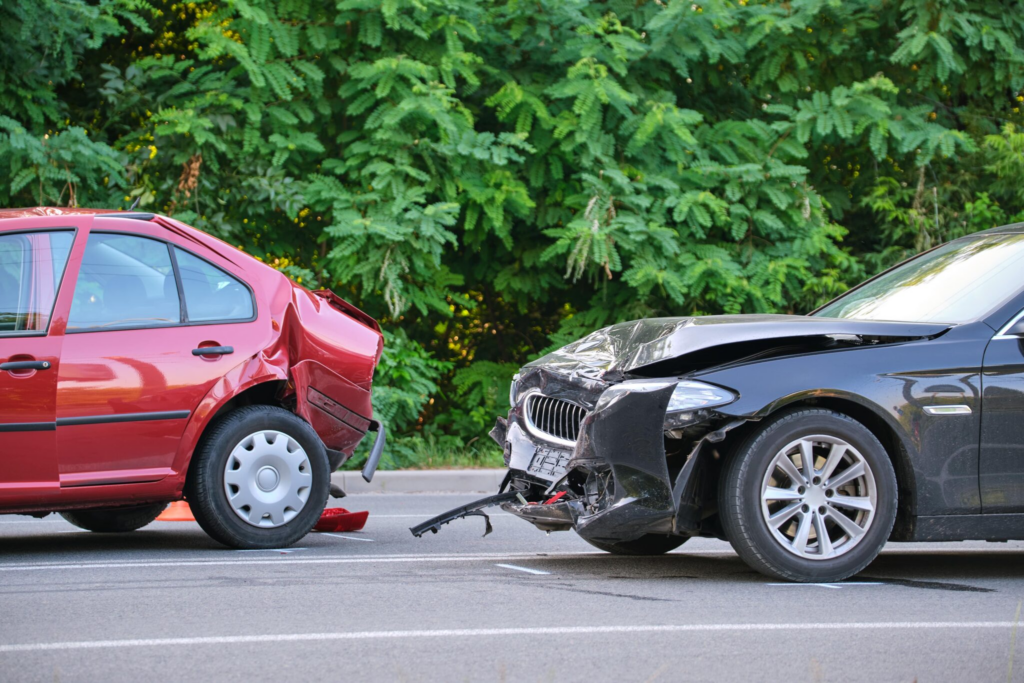
Car accidents can happen unexpectedly, even to careful drivers. From minor fender-benders to major highway crashes, collisions often leave vehicles damaged and unsafe to drive. This is where car collision repair becomes essential. It is the process of restoring a damaged vehicle back to its original condition—both visually and structurally—so it is safe, functional, and road-ready again.
What Is Car Collision Repair?
Car collision repair refers to a range of services that fix damage caused by accidents. Unlike basic maintenance or mechanical repairs, collision repair focuses on the body, frame, and exterior components of a vehicle.
The main goal is not just appearance, but safety. Even small accidents can affect a vehicle’s alignment, airbags, sensors, and structural integrity.
Common Causes of Car Collisions
Car collisions happen for many reasons, especially in busy traffic environments. Some of the most common causes include:
Distracted Driving
Using mobile phones, eating, or adjusting navigation systems while driving is a leading cause of accidents.
Speeding
Driving above speed limits reduces reaction time and increases impact severity.
Tailgating
Following too closely often leads to rear-end collisions when traffic suddenly stops.
Weather Conditions
Rain, fog, or slippery roads can reduce visibility and traction.
Driver Fatigue
Tired drivers are slower to react and more likely to make mistakes.
Types of Damage After a Collision
Car collision repair shops handle a wide range of damage types, including:
Body Damage
Dents, scratches, and crushed panels are common after minor and major accidents.
Frame Damage
Severe collisions may bend or misalign the vehicle’s frame, affecting safety and driving performance.
Paint Damage
Scratches or peeling paint require refinishing to restore the vehicle’s appearance.
Glass Damage
Broken windshields and windows must be replaced for safety and visibility.
Mechanical and Sensor Damage
Modern vehicles include sensors, airbags, and electronic systems that may also be affected.
The Car Collision Repair Process
Professional collision repair follows a structured process to ensure quality and safety:
1. Initial Inspection
Technicians assess visible and hidden damage using advanced diagnostic tools.
2. Damage Estimate
A detailed repair estimate is created, including parts, labor, and time required.
3. Disassembly
Damaged sections are removed to inspect internal structural issues.
4. Structural Repair
If the frame is damaged, specialized machines restore proper alignment.
5. Body Repair or Replacement
Damaged panels and parts are repaired or replaced with new components.
6. Painting and Color Matching
Advanced paint-matching technology ensures the repaired area blends seamlessly with the rest of the vehicle.
7. Reassembly and Testing
The vehicle is reassembled and tested to ensure safety, performance, and appearance.
Why Car Collision Repair Is Important
Some drivers delay repairs after an accident, especially if the damage seems minor. However, professional repair is crucial for several reasons:
Safety
Hidden damage can affect brakes, steering, airbags, and structural integrity.
Vehicle Value
Proper repairs help maintain resale value and prevent long-term depreciation.
Performance
Alignment and structural issues can impact driving comfort and fuel efficiency.
Insurance Requirements
Insurance companies often require professional repair documentation for claims.
Role of Insurance in Collision Repair
After an accident, insurance often covers repair costs depending on the policy. Collision repair shops usually work directly with insurance providers to simplify the process.
The typical process includes:
- Filing a claim with the insurance company
- Vehicle inspection by repair professionals
- Approval of repair estimate
- Payment or reimbursement for repairs
Many repair shops also assist customers with insurance paperwork to reduce stress.
read more : South Carolina Motorcycle Crash Investigations and Legal Updates
Modern Technology in Collision Repair
Today’s car collision repair industry uses advanced technology to improve accuracy and efficiency. Some examples include:
Computerized Frame Alignment
Ensures the vehicle’s structure is restored to factory specifications.
Digital Paint Matching
Accurately matches paint color for seamless finishing.
Diagnostic Scanning Tools
Detect hidden electronic and sensor damage.
Advanced Welding and Repair Equipment
Helps restore damaged parts with precision and durability.
These technologies ensure that repaired vehicles meet modern safety and performance standards.
Choosing the Right Collision Repair Shop
Selecting a reliable repair shop is important for quality results. Key factors to consider include:
Experience and Certification
Certified technicians are trained to handle complex repairs.
Reputation
Customer reviews and recommendations reflect service quality.
Warranty
Reputable shops often provide warranties on parts and labor.
Transparent Pricing
Clear estimates help avoid hidden costs or surprises.
Insurance Support
Shops that work with insurance companies can make the process smoother.
Final Thoughts
Car collision repair is essential for restoring vehicles after accidents and ensuring they are safe to drive again. From minor dents to major structural damage, professional repair services help bring vehicles back to life using skilled technicians and advanced technology.
Whether the damage is small or severe, timely collision repair protects safety, preserves vehicle value, and ensures long-term performance. Choosing a trusted repair shop allows drivers to get back on the road with confidence and peace of mind after an accident.