How to Gather Evidence for a Motorcycle Accident Case
McAllen is a growing city in South Texas known for its busy roadways, expanding business districts, and strong community atmosphere. The city experiences heavy daily traffic due to tourism, local commuting, and cross-border travel. With more vehicles on the road, motorcycle accidents remain a serious concern for riders throughout the area.
Gathering evidence after a motorcycle accident may include taking photographs of the scene, obtaining witness statements, securing police reports, preserving medical records, and collecting video footage when available. Many accident victims work with a skilled McAllen motorcycle accident lawyer to collect critical evidence, communicate with insurance companies, and build a stronger personal injury case.
Motorcycle accidents can leave victims facing medical bills, lost wages, and emotional stress. In many cases, the success of a claim depends on the quality of evidence collected immediately after the crash. Knowing what evidence to gather can make a major difference during settlement negotiations or court proceedings.
Take Photos and Videos at the Scene
Photographic evidence is one of the most valuable tools in a motorcycle accident case. If possible, take clear pictures and videos of the accident scene immediately after the crash.
Capture images of vehicle damage, skid marks, road conditions, traffic signs, weather conditions, and visible injuries. Try to photograph the accident from multiple angles to provide a complete view of what happened.
Visual evidence can help accident reconstruction experts, attorneys, and insurance adjusters better understand the circumstances surrounding the collision.
Call Law Enforcement
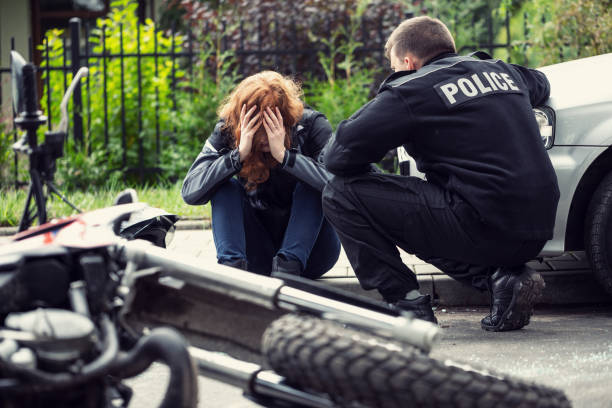
Always report a motorcycle accident to the police, even if the damage appears minor. A police report creates an official record of the accident and may include important details about fault, witness statements, and road conditions.
When officers arrive, provide accurate information without admitting fault or speculating about the accident. Request a copy of the police report as soon as it becomes available.
Insurance companies and attorneys often rely heavily on police reports during the claims process.
Collect Witness Information
Witness statements can strengthen a motorcycle accident claim significantly. Independent witnesses may provide objective details about how the accident occurred, vehicle speeds, traffic violations, or dangerous driving behavior.
Gather the names, phone numbers, and contact information of anyone who witnessed the accident. If possible, ask witnesses for brief written or recorded statements while the details are still fresh in their memory.
Reliable witness testimony can support your version of events if liability becomes disputed later.
Preserve Medical Records
Medical documentation plays a major role in proving the extent of injuries after a motorcycle accident. Seek medical attention immediately, even if injuries seem minor at first.
Keep copies of emergency room records, doctor evaluations, prescriptions, physical therapy reports, and medical bills. Following all recommended treatment plans also helps demonstrate the seriousness of your injuries.
Consistent medical documentation creates a stronger connection between the accident and the injuries being claimed.
Save Physical Evidence
Physical evidence from the accident should be preserved whenever possible. Damaged helmets, protective gear, clothing, and motorcycle parts may help demonstrate the severity of the crash and the injuries involved.
Avoid repairing or disposing of damaged items until the legal process is complete or your attorney advises otherwise. In some cases, accident experts may examine these materials to support your claim.
Physical evidence often provides details that photographs alone cannot fully capture.
Keep a Personal Injury Journal
A personal injury journal can help document the emotional and physical impact of the accident over time. Record pain levels, medical appointments, emotional struggles, missed workdays, and limitations on daily activities.
This information may help support claims for pain and suffering or reduced quality of life. A detailed journal also helps victims remember important details that may fade over time.
Consistent records can strengthen both insurance negotiations and court presentations.
Consult an Attorney Early
Motorcycle accident claims in a big city like Phoenix can become complicated quickly, especially when insurance companies attempt to reduce payouts or dispute liability. Consulting a motorcycle accident lawyer in Phoenix early allows victims to protect evidence before it disappears.
An experienced attorney can gather surveillance footage, interview witnesses, review police reports, and work with accident reconstruction professionals when necessary. Early legal guidance often improves the chances of building a strong and organized case.
Conclusion
Gathering evidence after a motorcycle accident is one of the most important steps victims can take to protect their legal and financial interests. Photos, witness statements, police reports, medical records, and physical evidence all play a critical role in proving liability and damages. By acting quickly and staying organized, motorcycle accident victims can build a stronger case and improve their chances of receiving fair compensation.
Key Takeaways
- Strong evidence helps prove fault and supports compensation claims after a motorcycle accident.
- Photos, videos, and police reports provide valuable documentation of the crash scene.
- Witness statements can strengthen a case when liability is disputed.
- Medical records help connect injuries directly to the accident.
- Preserving damaged gear and motorcycle parts may support legal claims.
- Early legal guidance can help victims gather and protect critical evidence.