What Determines Liability in Motorcycle Crashes
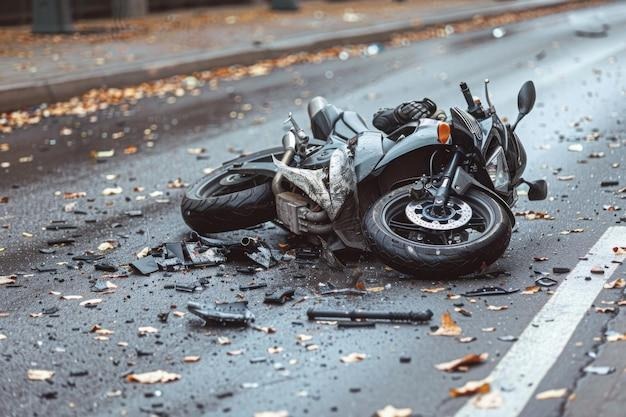
Motorcycle crash liability is determined by examining who acted negligently and whether traffic laws were violated before the collision occurred. Insurance companies, attorneys, and courts evaluate evidence such as driver behavior, roadway conditions, witness statements, and police reports to identify fault. In California, liability may also be shared between multiple parties under the state’s comparative negligence rules.
Located in Southern California, Orange County is known for its busy highways, coastal communities, and heavily traveled urban roads. With a strong car and motorcycle culture supported by year-round mild weather, the region experiences significant daily traffic throughout cities such as Anaheim, Irvine, and Santa Ana. Congested freeways and constant commuter activity can increase the risk of serious motorcycle accidents across the county.
Understanding how liability is determined after a motorcycle crash is important for anyone seeking compensation for injuries, medical costs, or property damage. An experienced Orange County motorcycle accident attorney can help victims gather evidence, interpret California traffic laws, and build a stronger personal injury claim. The sections below explain the legal principles and evidence commonly used to determine liability in California motorcycle crash cases.
The Role of Negligence in Motorcycle Accidents
Negligence is a key factor in determining liability in motorcycle crashes. Under California Civil Code § 1714, individuals are responsible for injuries caused by a lack of reasonable care. Distracted driving, speeding, reckless lane changes, and failure to obey traffic signals are common examples of negligence that may lead to legal liability.
Driver Errors That Commonly Cause Motorcycle Crashes
Many motorcycle accidents occur because drivers fail to notice motorcycles in traffic or blind spots. Unsafe lane changes may violate California Vehicle Code § 22107, while distracted driving involving handheld devices may violate California Vehicle Code § 23123.5. Other common driver errors include tailgating, unsafe left turns, and failure to yield at intersections.
How Traffic Violations Affect Liability
Traffic violations often serve as key evidence in motorcycle accident cases. Running red lights, speeding, or ignoring stop signs may establish negligence if the violation directly caused the crash. California also follows a comparative negligence system, meaning compensation can be reduced if the motorcycle rider shares part of the fault.
Importance of Police Reports and Witness Statements
Police reports help determine liability by documenting roadway conditions, vehicle damage, injuries, and possible traffic violations. Witness statements can also clarify disputed details, including driver behavior, vehicle speed, and traffic signal conditions before the collision.
Conclusion
Determining liability in motorcycle crashes requires careful analysis of driver behavior, traffic law violations, and available evidence. Because California follows comparative negligence rules, fault may be shared between multiple parties depending on the circumstances of the accident. Victims who understand their legal rights and gather strong evidence early are often in a better position to pursue fair compensation for their injuries and losses.
Key Takeaways
- Motorcycle crash liability is determined by negligence, traffic law violations, and available evidence.
- California Civil Code § 1714 holds individuals responsible for injuries caused by a lack of reasonable care.
- Common causes of motorcycle accidents include unsafe lane changes, distracted driving, speeding, and failure to yield.
- California’s comparative negligence system may reduce compensation if the injured rider shares part of the fault.
- Police reports and witness statements often play an important role in determining fault after a motorcycle accident.