Essential Safety Tips for Driving in New York City
Post Preview
Key Takeaways
- Obeying the citywide speed limit of 25 MPH is vital for safety, especially to protect pedestrians.
- Increased caution is necessary during dusk and nighttime, when visibility drops.
- Stay aware of pedestrians and cyclists, especially in crowded intersections.
- Minimize distractions by keeping your attention away from devices and conversations.
- Keep your vehicle well-maintained to avoid preventable breakdowns or accidents.
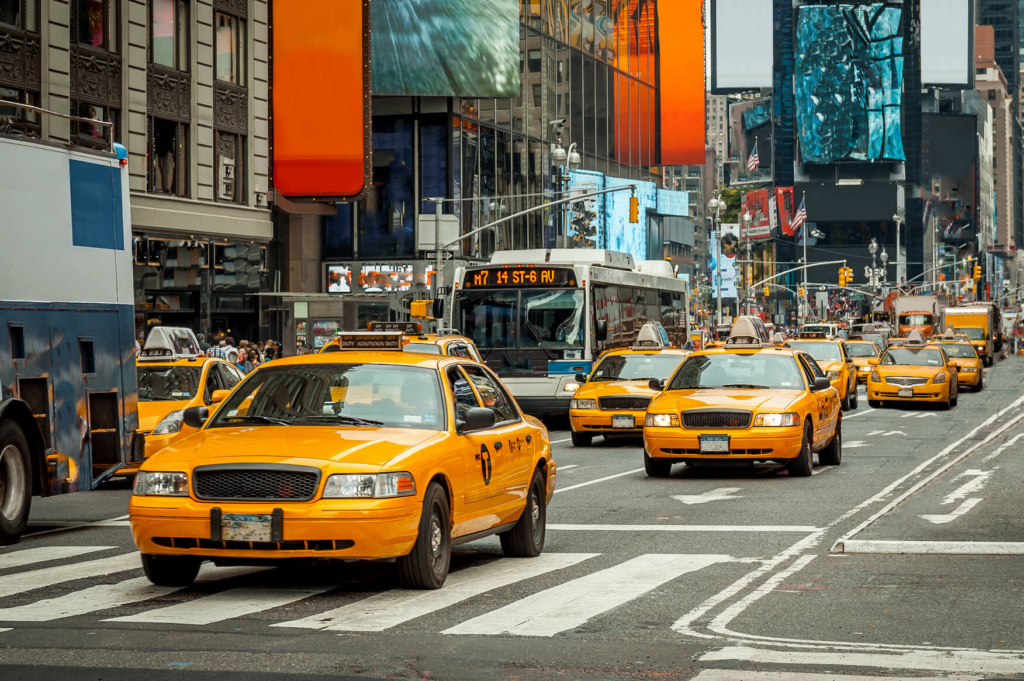
Driving in New York City presents distinct challenges. The city’s combination of dense traffic, bustling sidewalks filled with pedestrians, and a complex network of streets demands extra vigilance from drivers. To help protect yourself and others, it’s important to understand and follow key safety measures. If you find yourself in the unfortunate situation of a traffic accident, consulting a car accident lawyer in New York City can be crucial for understanding your rights and navigating the aftermath.
Whether you are a daily commuter, a frequent visitor, or a new resident, taking proactive steps to drive safely helps create a more efficient and harmonious urban environment for everyone. Grasping the essentials of city driving can lower accident risks and ensure the well-being of all road users.
Understanding New York City’s Traffic Regulations
New York City enforces a standard speed limit of 25 MPH unless signs state otherwise. This policy exists because even a small increase in speed can double the likelihood of a pedestrian fatality in an accident. Slower speeds give drivers significantly more reaction time and reduce the severity of collisions, especially those involving vulnerable road users. For more details on street safety statistics and city policies, review resources from reputable sources such as NYC DOT Street Safety Tips.
Additionally, drivers must pay close attention to designated school zones, construction sites, and bus lanes, which may have specific restrictions or reduced speed limits. Adherence to these focused consideration areas is crucial, as violations can incur substantial fines and, more importantly, pose higher risks to those traveling near these locations. Reliable compliance with posted signs and city regulations is essential for fostering a safer transportation ecosystem throughout the five boroughs.
Challenges of Driving During Dusk and Darkness
When daylight saving time ends, darkness falls earlier, affecting visibility and road safety. The city’s “Dusk and Darkness” safety campaign focuses on the heightened risks posed by reduced light, especially for pedestrians crossing roads and cyclists sharing narrow lanes. Slow down during low-light hours, use headlights appropriately, and remain attentive, as more accidents occur during these times, according to city data. More information on local traffic initiatives is available from NYC Vision Zero.
Enhanced vigilance is especially necessary when driving through neighborhoods with dense nightlife, where crowds may suddenly spill onto roadways or crossings become congested. Consider cleaning your windshield and adjusting mirrors before nightfall to optimize visibility. Be particularly mindful of glare from other vehicles’ headlights, which can temporarily reduce your vision at a critical moment.
Sharing the Road with Pedestrians and Cyclists
The city’s roads are used by a variety of travelers, including a rising number of cyclists and pedestrians. As a driver, always yield to pedestrians at crosswalks and intersections. Before opening your car door when parked, check for approaching cyclists to prevent “dooring” accidents. Additionally, keeping bike lanes clear of stopped or parked cars allows cyclists to travel safely and efficiently.
Practicing these habits helps reduce collisions and fosters respect among all road users. In recent years, as bike-focused infrastructure has grown, so has the importance of these safety protocols. Further insights and safety tips can be found in coverage from NYC Vision Zero Campaigns.
Cyclists often move quickly and may not always be visible when weaving between vehicles. Always check your blind spots, particularly when making right turns or merging across bike lanes. Encouraging communication using turn signals and eye contact can also minimize confusion in shared spaces and make everyone’s journey safer.
Minimizing Distractions While Driving
Distracted driving is a leading cause of accidents, especially in busy urban areas. Avoid using handheld devices while driving. If you need navigation assistance, set your GPS destination before departure to limit screen interaction. During complex or stressful driving conditions, keep passenger conversations brief to maximize your concentration on the road.
Other common distractions include eating or drinking while behind the wheel, adjusting stereo settings, or focusing on events happening outside your window. To further reduce distractions, consider organizing your personal belongings and securing any loose items before your trip. Intentional, uninterrupted focus is invaluable on city streets.
Vehicle Maintenance and Safety Checks
Preventing mechanical failures is part of every responsible driver’s routine. Check your brakes regularly to ensure they are responsive. Maintain correct tire pressure and inspect tread depth for safe handling. Routinely test your lights and turn signals to enhance visibility and prevent miscommunication with other drivers and pedestrians. Keeping your vehicle in good shape reduces the risk of sudden malfunctions that might cause collisions.
Scheduling seasonal checkups with a trusted mechanic can help identify potential issues before they escalate. During winter, for example, ensuring your battery, defroster, and wiper blades are functioning optimally can be just as important as ensuring your brakes and tires are in good condition. Consistent vehicle maintenance not only extends your car’s lifespan but keeps all road users safer.
Adapting to Traffic Flow and Congestion
New York City’s congestion pricing program, launched in 2025, was designed to reduce gridlock and improve air quality. As a result, many drivers have reported faster travel times and fewer noise complaints. Reduced congestion has led to fewer and less severe accidents. Staying informed about congestion zones, peak travel periods, and pricing can help you plan safer, quicker routes.
Using real-time transit apps and navigation systems that track live traffic conditions gives drivers valuable information to avoid congested areas, temporary road closures, or emergency scenes. When possible, consider carpooling or using public transportation during peak times to help further ease congestion and minimize your own risk of being involved in a traffic incident.
Staying Informed About Local Traffic Laws
City and state traffic laws can evolve. Recently, minor cycling infractions in New York City switched from criminal to civil offenses, changing how drivers, cyclists, and law enforcement interact. Keeping up to date with these changes is part of being a responsible road user and helps everyone share the streets more safely. Local news outlets and city websites frequently announce updates on rules and regulations.
Additional policy updates may relate to parking restrictions, busway enforcement, red light cameras, and license plate recognition. Subscribe to city newsletters or follow local agencies on social media for timely information. By staying aware of changes, you can adjust your driving behavior, avoid fines, and enhance your contributions to overall traffic safety in New York City.
Conclusion
Staying safe behind the wheel in New York City goes beyond following signs and signals. Responsible driving requires following rules, adjusting to environmental conditions, maintaining your vehicle, and keeping everyone’s safety in mind. By practicing these safety tips, you help promote a city where every driver, cyclist, and pedestrian can travel with confidence and security.
Ultimately, city driving is a shared responsibility requiring both vigilance and empathy. The unique challenges of New York’s streets can be overcome through careful preparation, mutual respect, and a commitment to ongoing learning. Small actions, yielding at crosswalks, leaving early to avoid rushing, or taking a moment to double-check your surroundings, can significantly impact the safety and experience of everyone on the road. Strive to be a courteous and informed driver, so New York City’s streets remain vibrant and accessible for all.