Common Causes of Slip and Fall Accidents and Legal Rights
Slip and fall accidents are among the most common types of personal injury incidents, yet they are often underestimated in terms of their severity and long-term consequences. These accidents can happen in a wide range of environments, from grocery stores and office buildings to sidewalks and private homes. While some falls result in minor bruises, others can lead to serious injuries such as fractures, head trauma, or even permanent disability.
Understanding the causes behind these accidents and knowing your legal rights is essential. Whether you are a victim seeking compensation or simply looking to stay informed, a deeper awareness of these issues can make a significant difference.
Understanding Slip and Fall Accidents
Slip and fall accidents fall under a broader legal category known as premises liability. This means that property owners or those responsible for maintaining a space have a duty to ensure it is reasonably safe for visitors. When they fail to uphold this responsibility, accidents can occur.
These incidents are not limited to slippery floors. They can include trips caused by uneven surfaces, poor lighting, or obstacles in walkways. The key factor is that the accident was preventable and occurred due to negligence.
Wet and Slippery Surfaces
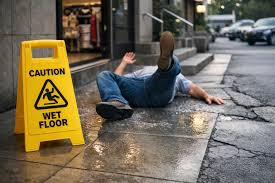
One of the leading causes of slip and fall accidents is wet or slippery flooring. This can occur in various settings, including restaurants, supermarkets, and office spaces. Spills that are not promptly cleaned, recently mopped floors without warning signs, or water tracked in from outside during rainy weather can all create hazardous conditions.
In many cases, these accidents happen because property owners or employees fail to act quickly or provide adequate warnings. A simple sign indicating a wet floor can significantly reduce the risk, yet its absence often leads to injury.
For individuals dealing with the aftermath of such incidents, consulting a trusted legal team like Larson Law can provide clarity and support. An experienced attorney for slip and fall accidents can evaluate the circumstances and determine whether negligence played a role, helping victims pursue fair compensation.
Uneven or Damaged Flooring
Another common cause of slip and fall accidents is uneven or damaged flooring. Cracked tiles, loose floorboards, torn carpeting, or uneven pavement can easily cause someone to trip. These hazards are especially dangerous in areas with high foot traffic, where people may not notice subtle irregularities.
Property owners are expected to regularly inspect their premises and address these issues promptly. Failure to repair known hazards or to warn visitors about them can lead to legal liability if someone is injured.
Poor Lighting Conditions
Lighting plays a crucial role in maintaining a safe environment. Dim or inadequate lighting can obscure potential hazards, making it difficult for individuals to see where they are walking. Staircases, hallways, parking lots, and entryways are particularly vulnerable areas where proper lighting is essential.
When lighting is insufficient, even a small obstacle can become a significant danger. Property owners who neglect to maintain proper illumination may be held accountable if their negligence contributes to an accident.
Cluttered Walkways and Obstacles
Cluttered pathways are another frequent cause of slip and fall incidents. Boxes, cables, merchandise, or other objects left in walkways can create unexpected obstacles. In retail stores or warehouses, this issue is particularly common when items are not stored properly.
Clear and unobstructed walkways are a basic safety requirement. When businesses fail to maintain order and cleanliness, they increase the likelihood of accidents and potential legal consequences.
Weather-Related Hazards
Outdoor slip and fall accidents are often influenced by weather conditions. Rain, snow, and ice can create slippery surfaces on sidewalks, parking lots, and entryways. Property owners are generally responsible for taking reasonable steps to mitigate these risks, such as clearing snow, salting icy areas, or providing mats to absorb moisture indoors.
Neglecting these responsibilities can lead to dangerous conditions that put visitors at risk. Even natural elements like weather do not absolve property owners of their duty to maintain safety.
Lack of Handrails or Safety Features
Staircases and elevated areas require proper safety features to prevent accidents. Missing or broken handrails, uneven steps, or poorly designed staircases can significantly increase the risk of falls. Handrails provide stability and support, especially for older adults or individuals with mobility challenges.
When these features are absent or poorly maintained, the likelihood of serious injury rises. Property owners must ensure that all structural elements meet safety standards.
Legal Rights After a Slip and Fall Accident
If you have been injured in a slip and fall accident, understanding your legal rights is crucial. Victims may be entitled to compensation for medical expenses, lost wages, pain and suffering, and other damages. However, successfully pursuing a claim requires proving that negligence was involved.
To establish liability, several elements must typically be demonstrated:
- The property owner had a duty to maintain a safe environment
- A hazardous condition existed
- The owner knew or should have known about the hazard
- The hazard was not addressed or properly warned against
- The hazard directly caused the injury
Each case is unique, and the specifics can vary depending on local laws and circumstances.
The Importance of Evidence
Evidence plays a vital role in slip and fall cases. Photographs of the scene, witness statements, incident reports, and medical records can all help support a claim. Acting quickly to document the situation is important, as conditions may change or evidence may be lost over time.
Victims should also seek medical attention immediately, even if injuries seem minor at first. Some conditions, such as head injuries or internal damage, may not present symptoms right away but can become serious if left untreated.
Comparative Negligence
In some cases, the injured party may share partial responsibility for the accident. This is known as comparative negligence. For example, if someone was distracted by their phone while walking and failed to notice a hazard, their compensation might be reduced based on their level of fault.
Understanding how this principle applies can be complex, which is why legal guidance is often essential in these situations.
Preventing Slip and Fall Accidents
While legal remedies are important, prevention remains the best approach. Both property owners and individuals can take steps to reduce the risk of accidents.
Property owners should:
- Conduct regular inspections
- Address hazards promptly
- Use clear warning signs
- Maintain proper lighting
- Ensure walkways are clean and unobstructed
Individuals can also protect themselves by:
- Wearing appropriate footwear
- Staying alert to surroundings
- Avoiding distractions while walking
- Taking extra care in unfamiliar environments
When to Seek Legal Assistance
Not every slip and fall incident requires legal action, but when injuries are severe or liability is unclear, consulting a legal professional can be beneficial. An experienced attorney can assess the situation, gather evidence, and guide victims through the claims process.
Legal representation can also help ensure that insurance companies do not undervalue or deny legitimate claims. Navigating these processes alone can be challenging, especially when dealing with recovery from injuries.
Conclusion
Slip and fall accidents can happen in an instant, but their impact can last a lifetime. From wet floors and uneven surfaces to poor lighting and weather-related hazards, the causes are often preventable. Recognizing these risks and understanding your legal rights empowers you to take action when necessary.
If you or someone you know has been affected by such an incident, knowing when and how to seek help can make a meaningful difference. By staying informed and proactive, both individuals and property owners can contribute to safer environments and reduce the likelihood of these common yet serious accidents.