Vegamour Lawsuit 2025: Revealing Beauty Industry Secrets
Introduction: When the Quest for Beauty Reaches an Impasse
Beauty marketing has never sold products just dreams. Dreams of healthier lashes, more luscious brows, and thicker hair. Vegamour rode this cultural fixation with its minimalist branding, influencer collaborations, and sustainable vows.
It wasn’t merely another serum it was framed as the clean-beauty equivalent of medical-grade treatments such as Latisse. To consumers, it seemed like science and nature combining in harmony.
But skip ahead to 2025, and the Vegamour lawsuit is hitting the headlines on consumer-rights websites and legal news sites. Former fans who once touted the brand now charge it with deceptive advertising, hidden side effects, and taking advantage of regulatory loopholes.
This guide deconstructs everything you want to know about the lawsuit not in technical legalese, but in human terms, in a practical way. Have you checked our detailed guide on homeaglow lawsuit.
What Is Vegamour? A Brand Built on “Clean Beauty”
Vegamour debuted in the period when health and beauty fused. The brand promised:
- Vegan, cruelty-free products for mindful consumers
- Plant-based actives such as mung bean extract and red clover
- Influencer-approved branding on TikTok, Instagram, and YouTube
- Luxury made accessible through retail partners such as Sephora and Ulta
Its Bestsellers
- GRO Lash Serum – fuller eyelashes
- GRO Brow Serum – thicker brows
- GRO Hair Serum – scalp stimulation and hair density
The promise was simple: cut prescription products, skip harsh chemicals, and still achieve Hollywood-quality lashes and hair.
But the Vegamour lawsuit makes us wonder: did “plant-based” become a Trojan horse to mask risks that felt ultra-pharmaceutical in nature?
Dismantling the Vegamour Lawsuit
1. Secret Side Effects Behind the “Natural” Label
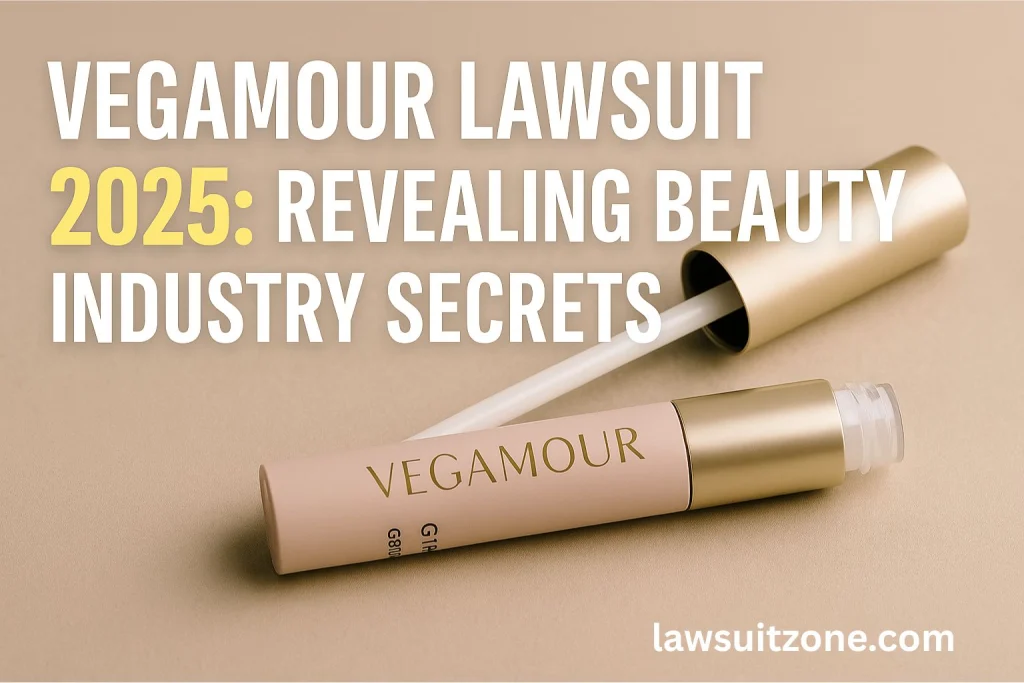
Vegamour relied heavily on its “clean, botanical” label. But numerous consumers had side effects they never anticipated from something they bought at Sephora:
- Red, inflamed eyes
- Darkening skin around the lash line
- Infrequent reports of iris pigmentation alterations (eye color change)
- Excessive facial hair growth upon serum spreading to other parts
- Redness and peeling on the scalp from hair serums
The lawsuit claims these problems were not adequately disclosed, and customers were caught off guard.
2. Alleged False Advertising
Vegamour marketing was riddled with statements such as:
- “100% vegan, cruelty-free, and safe”
- “Plant-based, science-backed results”
- “The clean beauty standard for hair wellness”
Plaintiffs claim this language was deceptive because:
- It reduced risks similar to prescription items
- Before-and-after photographs generated unrealistic expectations
- The term “safe” was utilized without medical disclaimers
This is where the greenwashing argument steps in: when companies exaggerate their green, natural, or safety credentials in an attempt to earn consumer confidence.
3. Regulatory Loopholes Revealed
This is the tricky element: cosmetics in the United States do not require the same degree of FDA approval as medication.
That is to say:
- Vegamour might sell lash serums containing active ingredients without conducting complete clinical trials
- The FDA did not inspect for safety like they do for prescription medications
- Buyers presumed “sold at Sephora = safe” when by law, that was not necessarily the case
The lawsuit claims drug-like effects require drug-level regulation.
4. Class Actions and Consumer Demands
Several class actions were brought asking for:
- Refunds for deceptive marketing
- Payment to those who had physical side effects
- Stricter labeling regulations for all comparable cosmetic companies
At its core, the Vegamour lawsuit is one of responsibility asserting that beauty brands must be held to pharmaceutical levels of transparency whenever their products move into the medical realm.
Why This Lawsuit Is Greater Than Vegamour
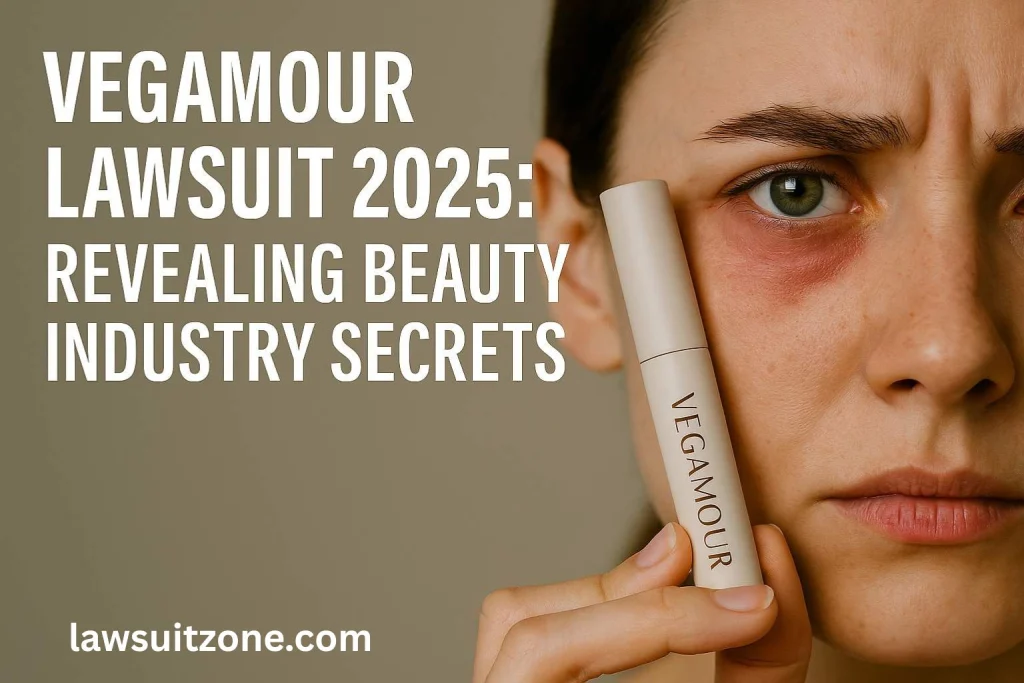
The case of Vegamour is not isolated—this is an example of a broader shift in the beauty and wellness world.
- Regulatory loopholes: The clean-beauty craze has moved faster than U.S. regulation
- Consumer confidence: If “vegan and natural” does not mean safe, who can we trust?
- Market precedent: If Vegamour gets held liable, it could pressure dozens of brands that retail lash and hair serums with identical formulas
- Cultural lesson: Consumers are waking up to the fact that marketing ≠ science
Timeline of the Vegamour Lawsuit
- 2019–2020: Vegamour becomes cult on the internet and in beauty stores
- 2021: Consumer forums begin sharing unexpected side effects
- 2022: Dermatologists issue alerts regarding prostaglandin-like substances in serums
- 2023: Initial wave of Vegamour lawsuits filed
- 2024: Class action cases increase, and national media put the brand in the spotlight
- 2025: Lawsuits are still pending; no ruling yet, but the pressure continues to build on the beauty industry as a whole
Actual Consumer Experiences
Melissa, 31 – Brow Serum Burn
“My brows appeared fuller, yet the skin beneath them was raw and flaky. I felt deceived by the ‘gentle and safe’ labeling.”
Angela, 46 – Eye Color Change
“I observed my hazel eyes appearing darker after months of application. I believed it was not possible until I discovered that others experienced the same side effect.”
Nora, 25 – Social Media Misled Me
“Everybody I followed swore by it. Nobody talked about risks. I wouldn’t have done it if I’d known the real story.”
Grace, 52 – Financial Loss
“I spent hundreds on subscription orders, only because I broke off because of irritation. No refunds, no responsibility.”
These accounts bring faces to the lawsuit, illustrating how marketing vs. reality can damage actual lives.
Expert Opinions
Dermatologists
- Dr. Helen Carter: “If a product alters physiology like changing hair growth it’s more than a cosmetic. It deserves the same testing as a drug.”
- Dr. Michael Nguyen: “The Vegamour lawsuit should spark reform. We’ve allowed cosmetics to tiptoe into pharmaceutical territory without oversight.”
Legal Experts
- Attorney Carla Simmons: “This case isn’t just about beauty it’s about consumer trust. Courts will decide how far marketing can go before it becomes deception.”
The Bigger Picture: Industry Impact
The lawsuit can initiate:
- Tighter labeling regulations on cosmetics with active ingredients
- More FDA scrutiny of beauty products that claim to work like drugs
- Consumer cynicism towards influencer-fueled beauty trends
- Corporate prudence: Brands will require facts, not promotion, to sell “miracle” outcomes
Safer Alternatives to Vegamour
Easy, Natural Oils
- Castor oil for lashes and brows
- Vitamin E for hair strength
- Rosemary oil for scalp circulation
FDA-Approved Option
- Latisse (bimatoprost): A prescription lash serum approved for safety and efficacy
New-Gen Serums Without Prostaglandins
Look for formulas based on:
- Peptides
- Biotin
- Plant adaptogens (without drug-like analogs)
Key Consumer Takeaways
The Vegamour lawsuit reminds us:
- Don’t assume natural = safe
- Always check ingredient labels
- Be wary of social media hype
- Document purchases and responses
- Report concerns to the Federal Trade Commission.
- Consult a doctor before using intense serums around your eyes
FAQs
Conclusion: Knowledge Is the Real Beauty Standard
The Vegamour lawsuit is not just a courtroom battle it’s a cultural wake-up call. It indicates how quickly aspiration can get the better of caution when it comes to the beauty business.
Vegamour might have delivered fuller lashes and thicker hair, but the lawsuits remind us that educated customers are the real champions.
Your best weapon isn’t a serum knowledge is. By challenging assertions, reading ingredient labels, and requiring disclosure, you safeguard not just your looks but your rights, pocketbook, and health.