Crepe Erase Lawsuit: A 2025 Consumer Guide to Awareness
Introduction: When Beauty Promises Meet Reality
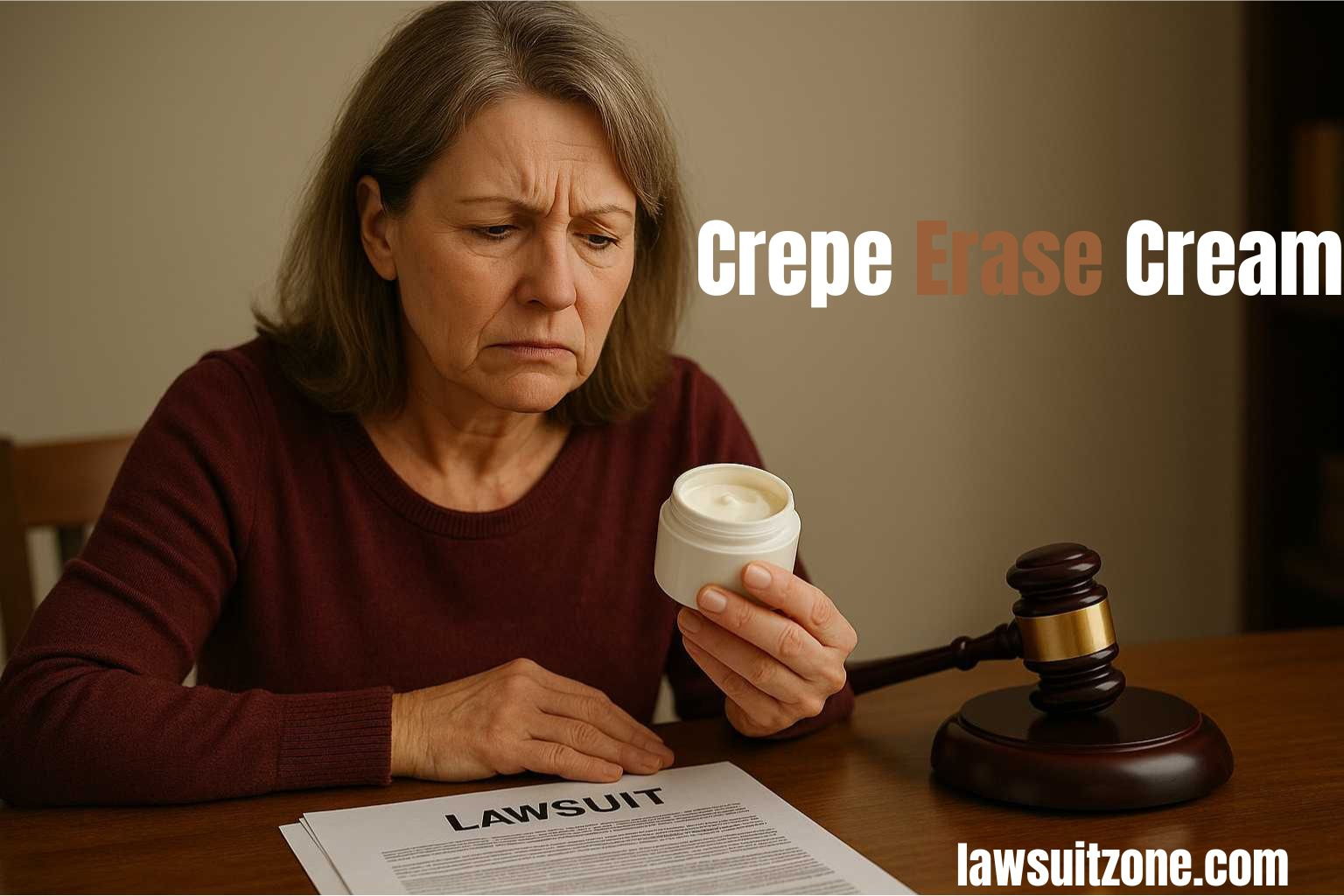
The beauty and cosmetics market lives on hope hope for smoother skin, fewer lines, and the ability to stay young for years longer. Crepe Erase, a popular skincare product, established itself by claiming to cure “crepey skin,” a typical age-related condition in which the skin loses elasticity and becomes thin and wrinkled, similar to crumpled tissue paper.
With celebrity endorsements, infomercials late at night, and ads targeted to specific audiences, Crepe Erase became a household name overnight. But with the popularity came accusations, bad reviews, and ultimately, legal action. The Crepe Erase lawsuit was a top consumer news story, sparking discussion on truth in advertising, automatic billing, and consumer protection.
This in-depth guide is an in-depth exploration of the lawsuit, what its implications are, and what lessons can be learned by ordinary buyers from the case. Have you checked our detailed guide on pros and cons of hiring a workers’ comp attorney.
What Is Crepe Erase, Exactly?
Crepe Erase is a series of anti-aging treatments and creams made by Guthy-Renker, the same firm that makes Proactiv. It was specifically designed for women aged 40+, billed as a fix that will restore firmness and smoothness to crepey skin.
- Key ingredients highlight: Its proprietary TruFirm® Complex — an apple, dill, and sage combination extract — is said to maintain skin structure.
- Other ingredients: Shea butter, cocoa butter, and hyaluronic acid to hydrate.
- Selling strategy: Highly subscription-dependent, frequently via introductory “test offers.”
- Celebrity endorsements: Jane Seymour, Courtney Thorne-Smith, and others have promoted the product, bringing credibility and glamour to the campaigns.
Some people report success with the product, but many others note that it failed to live up to its claims, and the Crepe Erase lawsuit stemmed in large part from these disappointments.
The Crepe Erase Lawsuit Explained
The Crepe Erase lawsuits concentrate on two primary issues: marketing representations and billing issues.
1. Misleading or False Advertising
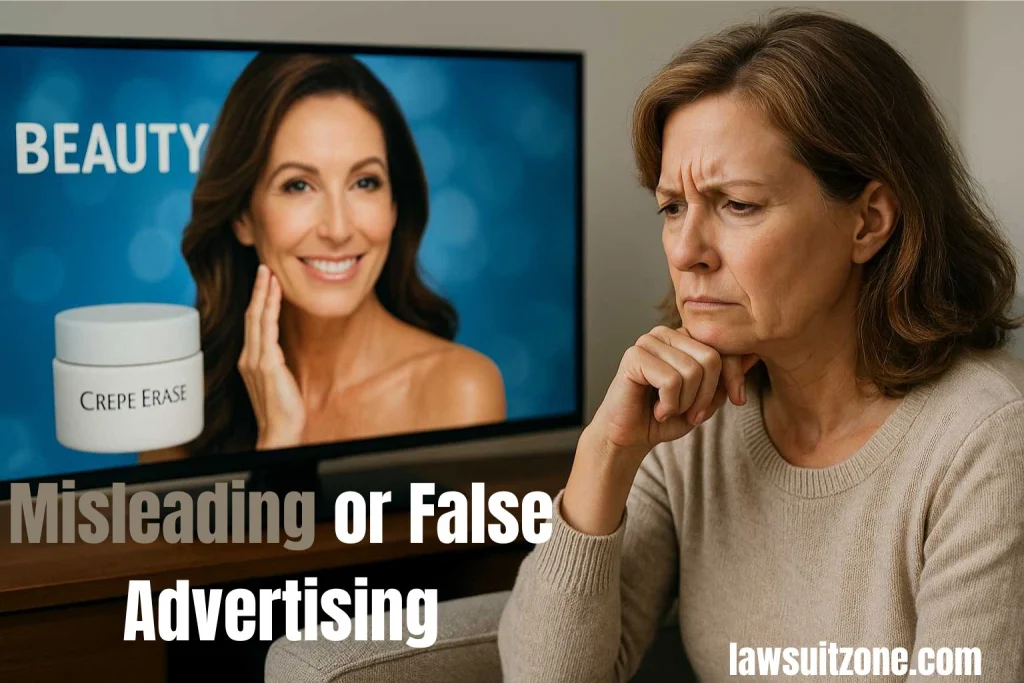
Plaintiffs contend that commercials overstated the product’s performance. Before-and-after photographs, celebrity endorsements, and clinical statements created an illusion of assured results. The lawsuit asserts that such claims were founded on unsubstantiated scientific data.
2. Subscription Billing Issues

Arguably the greatest consumer grievance attached to the Crepe Erase lawsuit is its business model. A large number of consumers complain they believed they were purchasing a single trial, but were instead enrolling in recurring shipments that cost $40–$80 per month. Attempts to cancel subscriptions were often problematic, resulting in persistent unwanted charges.
3. Refund and Customer Service Problems
Another recurring theme was the trouble of getting refunds. Even if customers sent back products, refunds were supposed to be delayed or refused.
4. Celebrity Endorsements
The lawsuit asked whether endorsements deceived consumers into believing results were average. Celebrity endorsements are routine in ads, but consumer groups say they should be distinctly labeled as the personal opinions of celebrities, not typical promises.
Why the Crepe Erase Lawsuit Matters
The lawsuit is important for two huge reasons:
- Consumer Protection: It shines a light on how easily consumers can become trapped in “subscription traps” unless terms are disclosed.
- Industry Accountability: The suit forces beauty firms to substantiate claims with data and disclose billing practices openly.
For customers, the Crepe Erase lawsuit serves as a reminder to see through glossy ads and read fine print with great attention.
A Timeline of the Crepe Erase Lawsuit
- 2017: Subscription billing complaints begin to appear on BBB and Trustpilot.
- 2018–2019: Initial class action lawsuits are filed, alleging deceptive marketing and auto-billing.
- 2020: Coverage in the media increases consumer accounts, focusing attention on billing complaints.
- 2021–2022: Settlements awarded in some cases, with Guthy-Renker settling without admitting fault but promising more transparent disclosures.
- 2023–2024: Lawsuits persist, emphasizing mismatch between consumer expectation and product delivery.
- 2025: The Crepe Erase lawsuit is still hotly debated in online message boards and legal websites.
Lessons to Be Learned by Consumers
Several important lessons can be gleaned from the Crepe Erase lawsuit by consumers:
- Advertising is not always science. Glitzy ads tend to overpromise outcomes.
- Subscription services need to be approached with caution. Free trials usually come with concealed recurring charges.
- Write it down. Save receipts, screen shots, and customer service correspondence in case something goes wrong.
- File complaints early. State Attorney Generals and the FTC can act if patterns of abuse are seen.
Pros and Cons of the Crepe Erase Lawsuit
Pros (Consumer Wins)
- Increased awareness of deceptive practices.
- A few customers received refunds or settlements.
- Did more to force transparency in subscription terms.
- Put the beauty industry on notice.
Cons (Drawbacks)
- Not all affected consumers got paid back.
- Brand confusion left even happy customers confused.
- Lawsuits can take years to reach a conclusion.
- Companies typically deny wrongdoing, resulting in partial settlements.
Real-Life Consumer Experience
Diane’s Story (Subscription Trap)
Diane, age 53, purchased Crepe Erase after watching Jane Seymour promote it. She thought she was shelling out $39.95 for a starter kit. Two months went by, and she found repeated $79 charges. After weeks of phone calls, she became part of a class action lawsuit for relief.
Michelle’s Story (Satisfied, But Frustrated)
Michelle, 48, enjoyed the cream and noticed a difference in her skin. But she was dismayed at how hard it was to discontinue her subscription. “I had second thoughts about using it despite the fact that it worked because the process of canceling the bill was so frustrating,” she said.
Carla’s Story (Refund Struggle)
Carla, 61, returned unused items but never saw her money back. She filed with the BBB and eventually received partial reimbursement, but the experience put her off “TV products.”
The stories reveal both sides: some users are fond of the product, whereas others were victimized by annoying billing schemes.
FTC’s Role in the Crepe Erase Lawsuit
The Federal Trade Commission (FTC) regulates consumer protection and truth-in-advertising. Although not all complaints lead to a federal case, businesses such as Guthy-Renker have to adhere to strict guidelines for:
- Clear disclosure of recurring fees.
- Evading “negative option” billing where silence is deemed consent.
- Supporting advertising claims with substantiation.
Alternatives to Crepe Erase
If the Crepe Erase lawsuit has left you dubious, following are alternatives:
- Affordable drugstore creams: Neutrogena or Olay Retinol creams.
- Dermatology solutions: Prescription creams (such as tretinoin), microneedling, or laser treatments.
- Lifestyle changes: Routine sunscreen application, drinking water, and balanced eating.
Extended FAQs
Conclusion: The Bigger Picture
The Crepe Erase lawsuit is more than the legal issues of one brand. It’s a wake-up call for consumers to remain alert in a marketplace where advertising too often trumps reality.
While Crepe Erase might be effective for some, the lawsuits demonstrate the value of transparency, clear billing, and evidence-supported claims. Whether you stick with the cream or not, the lessons are relevant: read the fine print, challenge bold claims, and understand your rights as a consumer.
Your best tool as a consumer isn’t a skincare product it’s knowledge.