NEC Lawsuit: The Complete Guide for Families Affected by Infant Formula
Introduction
The NEC lawsuit has become one of the most significant legal developments in recent years for parents of premature infants. It involves heartbreaking stories of families whose babies developed necrotizing enterocolitis, a serious and sometimes deadly condition, after being fed certain cow’s milk-based infant formulas.
The following guide provides a thorough, human-friendly explanation of the lawsuit: what NEC is, how it’s connected to baby formula, who can file a claim, what kind of compensation may be available, and what steps affected parents can take right now. Whether you’re a parent seeking justice, a caregiver, or simply want to understand the legal landscape—this article breaks it all down clearly. Have you checked our detailed guide on exactech lawsuit.
What Is the NEC Lawsuit?
The NEC lawsuit refers to ongoing litigation filed by parents and guardians who claim that their premature babies developed necrotizing enterocolitis after being fed certain cow’s milk-based formulas. The lawsuits claim that the manufacturers failed to properly warn parents and medical providers about potential dangers associated with these formulas when given to preterm infants.
The parents who filed these lawsuits claim that manufacturers of these formulas sold their products with marketing that said they were safe and healthy for the babies, even though medical evidence showed an increased danger of intestinal complications.
These lawsuits center on claims of failure to warn, negligence, and misrepresentation. Families are seeking not only compensation but also accountability — and stronger protections for future infants.
Understanding NEC (Necrotizing Enterocolitis)
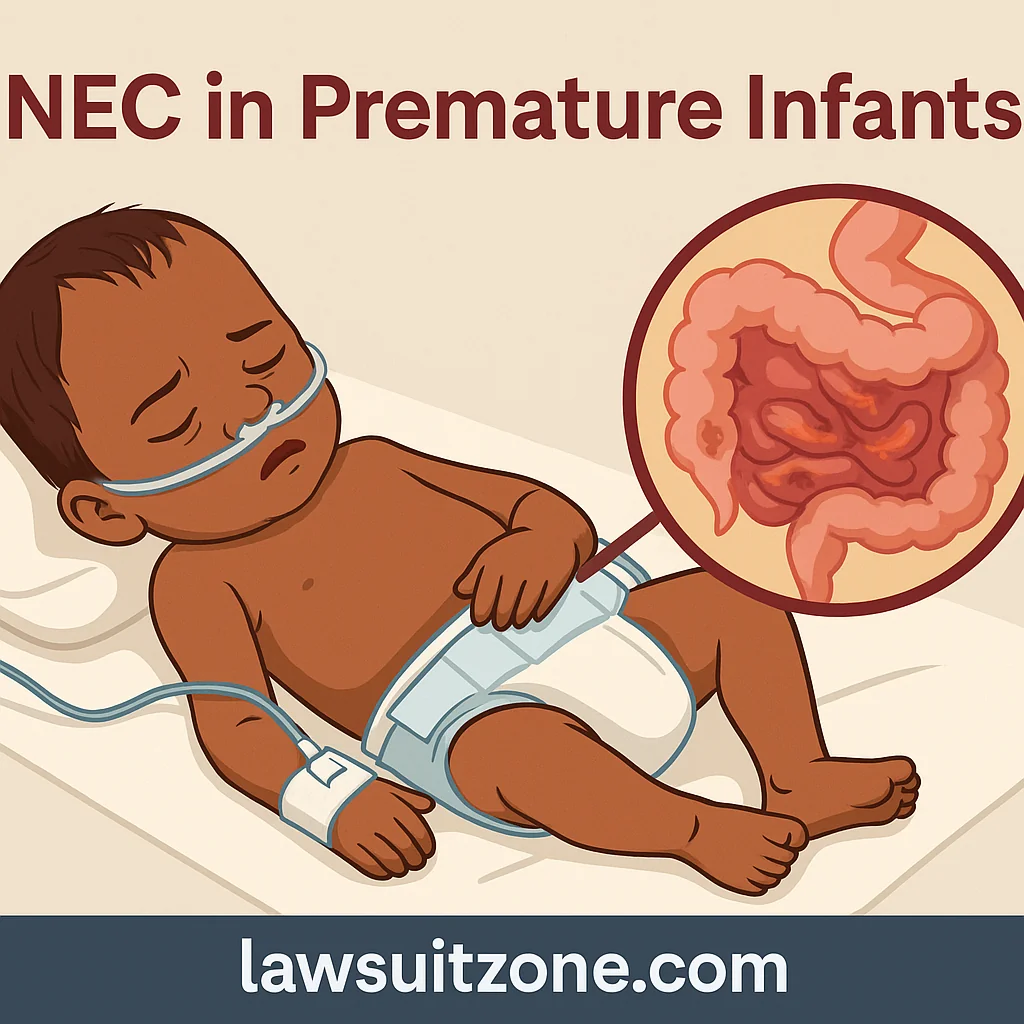
NEC is a severe gastrointestinal disease, usually occurring in premature and low-weight babies. It is characterized by inflammation of the intestinal tissue, which may cause infection and sometimes tissue death or perforation.
Symptoms often appear suddenly and may include:
- Abdominal swelling or tenderness
- Vomiting or feeding intolerance
- Blood in the stool
- Lethargy and rapid breathing
- Sudden drops in blood pressure
NEC can progress rapidly and requires immediate medical care. Surgery to remove the affected part of the intestine is often necessary. In addition, even when babies survive, lifelong health problems may include growth problems, digestive issues, or developmental delays.
The NEC lawsuits allege that premature infants fed certain cow’s milk-based formulas were at an increased risk of developing this condition, and that the companies manufacturing these formulas failed to adequately warn the public of the risks involved.
Why Parents Are Filing the NEC Lawsuit
Parents of the affected infants initiated the NEC lawsuit for a number of reasons, including emotional, medical, and financial issues. The following are the major allegations that form the basis of these actions:
1. Failure to Warn
The complaints claim that the formula manufacturers knew or should have known of an increased risk of NEC among premature infants being fed with their products and failed to clearly warn parents and healthcare professionals of this risk.
2. Deceptive Marketing
In particular, the complaints alleged that the corporations heavily marketed their cow’s milk-based formulas as safe, healthy, and scientifically supported for use in hospitals and neonatal intensive care units. Parents who put their trust in such assurances later found out the risks.
3. Defective Product
The plaintiffs claim that these formulas are inherently unsafe for a discrete population, namely premature babies; thus, they are a defective product when utilized in accordance with directions for that population.
4. Emotional and Financial Damage
Families have had to go through emotional trauma, very expensive hospitalizations, and even the loss of their children in some cases. Most lawsuits demand medical expenses, funeral expenses, lost earnings, and emotional distress.
Timeline of the NEC Lawsuit
To understand how this lawsuit evolved, here’s a simplified look at how the events unfolded:
- Early Reports: Physicians begin to recognize a pattern of NEC cases related to the feeding of premature infants with certain cow’s milk-based formulas.
- Scientific Studies: Medical research suggests that infants fed with human breast milk or human-milk-based fortifiers have lower rates of NEC compared to infants given cow’s milk formulas.
- First Lawsuits Filed: Parents start taking legal action, alleging that formula companies misled them about safety.
- Litigation Consolidation: Cases are consolidated into multidistrict litigation in federal court to streamline the process and ensure consistency.
- Ongoing Trials: Early bellwether trials are selected to test evidence, which helps both sides estimate the future settlement values.
The litigation remains ongoing, with new claims being filed as more families become aware of potential links between NEC and infant formula use.
Who Can File a NEC Lawsuit?
You might be qualified to file or join the NEC lawsuit if you:
- Your baby was born prematurely or had a low birth weight.
- Formula feeding with cow’s milk-based formula was started in the hospital or NICU.
- The baby was diagnosed with NEC or developed similar intestinal complications.
- You paid for medical expenses or sustained emotional and financial losses because of the baby’s condition.
Each case is unique, and an attorney can help review medical records, hospital feeding logs, and diagnosis reports to confirm the reasons for eligibility.
Legal Theories Supporting the NEC Lawsuit
The NEC litigation relies on several well-established legal theories arising out of product liability law:
Negligence
The complaint alleges that the formula manufacturers failed to exercise reasonable care in testing, labeling, and marketing their products for vulnerable premature infants.
Failure to Warn
According to the filing, manufacturers failed to disclose known risks and left parents and medical professionals without the information needed to make safe choices.
Strict Liability
Even if the manufacturers did not intend harm, they may be strictly liable if their product caused injury when used as intended.
Misrepresentation
Some complaints say that marketing materials exaggerated safety or implied medical approval that didn’t reflect the real risks.
Wrongful Death
Wrongful death claims for compensation and accountability may be pursued in the case of infants who died due to complications from NEC.
Damages and Compensation in the NEC Lawsuit
Compensation, in these cases, depends on the specific circumstances but may include several categories of damages:
- Medical Expenses: Covers hospitalization, surgery, and long-term medical care.
- Pain and Suffering: Accounts for the emotional trauma of seeing an infant in pain or suffering loss.
- Loss of Future Income: For families who lose work while caring for a sick child or grieving a loss.
- Wrongful Death Damages: Compensation for funeral expenses and loss of affection in fatal cases.
- Punitive Damages: In some cases, courts do award additional sums as a way of punishing companies for extreme negligence.
While no amount of money can undo the harm caused, these damages provide financial stability for families navigating lifelong consequences.
The Legal Process: How NEC Lawsuits Work
Step 1: Consultation and Case Review
The parents seek the counsel of a product liability attorney who handles medical or infant injury cases. The lawyer reviews medical records, hospital information, and formula brands used.
Step 2: Filing the Lawsuit
Once eligibility is established, the attorney will file a formal complaint on behalf of the family against the company or companies responsible.
Step 3: Evidence Gathering and Discovery
Both sides would be exchanging medical data, scientific studies, and expert testimonies. Internal corporate documents may also reveal what the manufacturers knew about potential risks.
Step 4: Bellwether Trials
A few representative cases are selected for trial to test legal arguments and evidence. These trials often influence future settlements.
Step 5: Settlement or Judgment
Many cases settle after the bellwether phase. Some actually make it to full trial, with a potential large verdict or court-ordered compensation.
Potential Outcomes and Settlements
Because litigation against NEC is still ongoing, there has not yet been a global settlement. Nevertheless, such lawsuits generally follow one of the following scenarios:
- Confidential Settlements: The manufacturer agrees to pay compensation to affected families without admitting fault.
- Court Verdicts: A company may be ordered to pay damages in the case that a jury finds in favor of the families.
- Policy Changes: Even in the absence of massive payouts, lawsuits can prompt formula makers to change labeling, marketing, or product development processes.
Early verdicts and settlements often set base levels of expectations for others down the line. Families acting earlier and collecting solid evidence have a greater possibility of success.
Broader Impact of the Lawsuit Filed Against NEC
The lawsuit against NEC went beyond the courtroom and reshapes how both medical and consumer industries approach product safety for vulnerable populations. Key takeaways include:
- More Transparency: There is an increased pressure on manufacturers to release the safety data and clinical results.
- Better Hospital Practices: Most NICUs have transitioned to the use of donor human milk or human-milk-based fortifiers for premature babies.
- Increased Parental Awareness: Parents are more aware of the available feeding options and the possible dangers of formulas made from cow’s milk.
- Regulatory Reform: The lawsuit might inspire stricter federal standards for formula testing and post-market surveillance.
The litigation, in many ways, marked a turning point, compelling corporations and regulators alike to put the safety of premature babies above everything.
Emotional and Social Impact on Families
Behind every legal document, there is a family that has endured unimaginable pain. Parents have recounted emotions of guilt, anger, and betrayal—emotions emanating from the very trust one would have in a product meant to nourish their fragile newborns.
Beyond physical harm, the emotional toll can be long-lasting. Many parents join support groups or advocacy organizations to connect with others going through similar experiences. The lawsuit, for them, is much more than financial concern; it’s about justice, awareness, and change.
How to Protect Your Rights
If you suspect that your child developed NEC because they were formula-fed, there are steps that you should immediately take to protect your potential claim:
- Collect all medical records at the hospital and NICU; keep all feeding logs.
- Confirm the Formula Brand: Identify whether the product was cow’s milk-based.
- Early Legal Representation: Each state’s statute of limitation is different; therefore, act promptly to see a lawyer.
- Avoid Social Media Discussions: Anything can be used for the defense if public.
- Document everything: Record all symptoms, doctor visits, and expenses in detail.
Taking early action not only strengthens your case but ensures your family’s voice is heard in this growing national conversation.
For verified medical product safety, infant nutrition, and national recalls information, visit the official U.S. Food and Drug Administration (FDA) website reliable data on recalls, consumer rights, and ongoing product safety monitoring, serving as a quick reference for parents and caregivers.
Frequently Asked Questions (FAQs)
Final Thoughts
The NEC lawsuit is a reminder that accountability counts, particularly when the lives of babies are concerned. Parents trusted these formulas to feed their babies, but many instead had to endure traumatic experiences and losses. They are seeking change through the courts and, indeed, will not let their demands go away.
If your family has been affected, take comfort in knowing you are not alone. Legal action gives you the power to hold corporations accountable and prevent others from enduring the same pain.
Ultimately, this lawsuit is not just about justice; it’s about protecting the most vulnerable lives and making sure every parent can have confidence that the products intended to care for their child do just that.
Disclaimer:
Note: This article is for information only and should not be considered legal or medical advice. If your child has been injured due to NEC, it is essential to seek advice from a qualified attorney and medical professional.