Zantac Lawsuit: The Complete Guide For Patients and Families
Introduction
The Zantac lawsuit has become one of the most significant pharmaceutical actions within recent memory. For decades, Zantac, or ranitidine, was looked upon as a dependable drug against heartburn and acid reflux. Millions of people took it regularly, never dreaming it could possibly expose them to a cancer-causing contaminant. When research started to link Zantac with high levels of NDMA, a chemical considered probably carcinogenic in humans, the drug was recalled, and thousands of lawsuits soon followed.
The following guide offers a detailed but understandable outline of the Zantac lawsuit, covering scientific information, legal rights, prospects for compensation, and steps patients should take if they believe they have been affected. Have you checked our detailed guide on OGX Lawsuit.
What Sparked the Zantac Lawsuit?
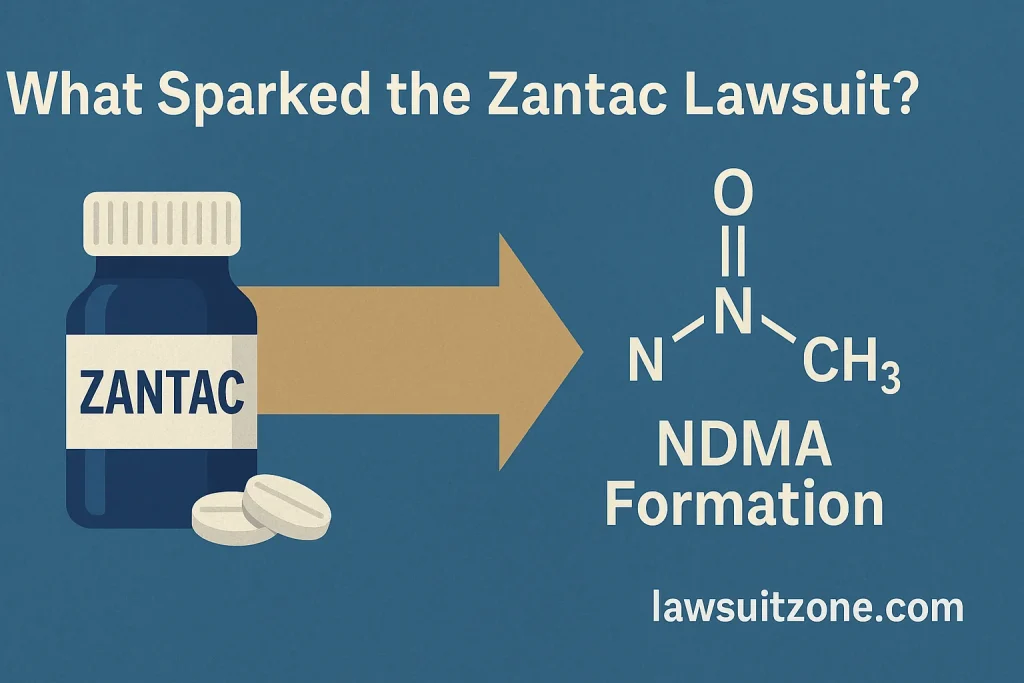
The Zantac lawsuit revolves around findings that ranitidine, the active ingredient in Zantac, degrades over time and forms NDMA, or N-Nitrosodimethylamine. It has long been known that NDMA is a harmful chemical that can cause cancer if ingested in high, or prolonged, amounts.
Patients claim certain pharmaceutical companies failed to properly test their products, ignored early warning signs, and put the public health in danger by failing to disclose known issues related to ranitidine stability.
How Zantac Becomes a Cancer Risk
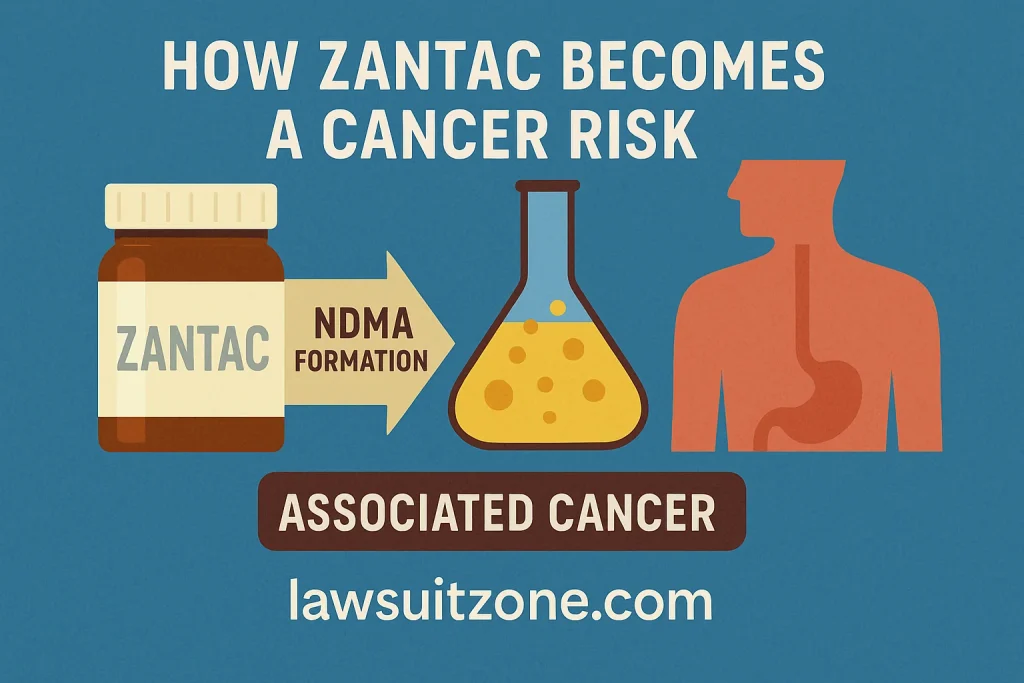
Amongst the key issues which give rise to the Zantac lawsuit is the chemical instability of ranitidine. Unlike most drugs that are stable during storage, shipment, and digestion, ranitidine can decompose when exposed to:
- Normal room temperatures
- Heat during transport
- Humidity
- Stomach acids
- Natural aging in storage
This degradation process can result in the formation of NDMA. Certain tests conducted on stored ranitidine products in the laboratory showed that the levels of NDMA could surge to very high levels, beyond what regulatory bodies consider safe.
NDMA and Associated Cancers
Exposure to NDMA has been associated with a number of different cancers, including:
- Bladder cancer
- Stomach cancer
- Liver cancer
- Pancreatic cancer
- Colorectal cancer
- Esophageal cancer
Many people who continually took Zantac for extended periods of time later got one of these cancers, and they filed lawsuits.
FDA Recall and Government Response
In April of 2020, the FDA officially announced the removal of all ranitidine products from the market following ongoing investigations into the rising NDMA levels associated with extended storage of the product.
The FDA determined that safe conditions of storage, which would inhibit the formation of NDMA, could not be assured either for manufacturers or consumers. Therefore, Zantac and its generic forms were recalled nationwide.
Further scientific background can be found in the research about NDMA and drug safety that has been published by Harvard Health Publishing.
Why Patients Are Filing the Zantac Lawsuit
Patients filing the Zantac lawsuit complaint alleged that pharmaceutical manufacturers exhibited negligence and did not protect the public health appropriately. Several core allegations recur throughout many filings of litigation.
Failure to Warn
Manufacturers allegedly failed to warn health professionals and consumers about the risk of NDMA formation, despite indications the problem may have been known—or at least discoverable—earlier.
Inadequate Drug Testing
Claims state that long-term stability testing, temperature stress testing, and chemical degradation analysis were insufficient.
Deceptive Advertising
Zantac was marketed as safe for daily use, including by individuals with chronic digestive issues, despite inherent instability concerns.
Negligent Manufacturing and Distribution
Lawsuits contend that manufacturers should have withdrawn or reformulated the product once early evidence of NDMA risks emerged.
Who Qualifies to File a Zantac Lawsuit?
You may be eligible to file a lawsuit if you:
- Used Zantac or generic ranitidine regularly
- Were diagnosed with a related cancer
- Have evidence of long-term ranitidine use
- Are filing on behalf of a loved one who died from cancer that may be associated with Zantac
Cancers Most Commonly Associated
Most legal cases involve:
- Bladder
- Stomach
- Liver
- Pancreatic
- Esophageal
- Colorectal
If your diagnosis is different, you may still qualify. Most attorneys review each case on an individual basis.
Evidence to Build a Formidable Case
Lawyers will gather many types of documentation in support of a Zantac lawsuit including:
- Prescription records
- Pharmacy receipts
- Medical records and diagnostic scans
- Treatment history
- Pathology results
- Long-term use notes
- Employment or insurance records showing impact
The clearer the use history and medical link, the stronger the claim.
Step-by-Step Guide: How the Zantac Lawsuit Process Works

Step 1: Case Evaluation
A lawyer will review your medical history, cancer diagnosis, and history of taking Zantac to see if you qualify.
Step 2: Filing the Lawsuit
Provided it passes, your attorney then files a complaint with the responsible pharmaceutical companies.
Step 3: Discovery Phase
Evidence comes from both sides and includes internal company documents, medical analyses, industry research, and expert testimony.
Step 4: Bellwether Trials
A few selected cases go to trial first and, through the outcomes, help shape future settlement negotiations for the larger group.
Step 5: Negotiation for Settlement
Most cases settle at this stage; the amount of compensation will depend on cancer type, treatment burden, and long-term impairment.
Step 6: Trial (If Necessary)
If a settlement cannot be reached, individual cases can go to court for a verdict.
Current Status of the Zantac Lawsuit 2025
As of 2025, the Zantac lawsuit has been ongoing within various state courts. Although some federal claims faced challenges on scientific issues, many state court cases are still active and continue toward trial or settlement negotiations.
Key points include:
- Thousands of lawsuits remain pending
- Bellwether trials are driving settlement discussions
- State courts may be the final arbiters for the majority of claimants
- New scientific evidence continues to be reviewed
Patients and families still hope that compensation will reflect the seriousness of the alleged harm.
Potential Settlement and Compensation Amounts
The exact settlement values differ for each case. Compensation categories most often involved include:
Medical Expenses
Expenses arising from cancer-related treatments, hospitalization, surgery, medicines, and continuing care.
Lost Income
Time away from work, reduced earning capacity, or permanent disability.
Pain and Suffering
Emotional distress, chronic pain, and reduced quality of life.
Wrongful Death Compensation
Lawsuits filed by surviving families may include funeral costs, loss of financial support, and loss of companionship.
Punitive Damages
In rare cases, courts can grant punitive damages when corporate misconduct has been proven.
Why the Zantac Lawsuit Has Major Public Health Implications
This suit is important, as it reminds one that there are elements of transparency in the manufacture of drugs. It highlights the need for:
- Comprehensive drug testing
- Stronger regulatory oversight
- Improved post-market surveillance
- Timely public warnings
- Independent scientific review
The controversy around Zantac has brought renewed scrutiny of the stability and safety of other long-term medications.
Protecting Yourself After a Recall
If you previously used Zantac, following might be done:
- Confirm your medical history and diagnosis
- Get copies of your treatment and pharmacy records
- Track all expenses regarding your condition
- Consult with a pharmaceutical injury attorney
- Avoid talking about your medical condition in public, as insurers monitor online content
Early action will ensure that you meet state filing deadlines and increase your potential for compensation.
Frequently Asked Questions (FAQs)
What cancers are most associated with Zantac usage?
Bladder, stomach, liver, colorectal, pancreatic, and esophageal cancers are most frequently cited.
Do I need receipts or proof of purchase?
Not necessarily. Prescription history or a witness is enough.
Was Zantac completely removed from the market?
Yes. At the request of the FDA, all ranitidine products were withdrawn in 2020.
How much time do I have to file a claim?
The statute of limitations in each state varies, generally between one to three years following diagnosis or recall awareness.
Is there a settlement available now?
While some negotiations are going on, large-scale settlements are still in the process of development.
Final Thoughts
The Zantac lawsuit forms part of a larger demand for accountability from the pharmaceutical industry. Consumers trusted Zantac for decades, never knowing it was exposing them to chemical contaminants. As thousands of families continue litigation, they seek justice, financial recovery, and answers.
We first encourage you to take action if you feel Zantac is responsible for your cancer diagnosis. Consult a qualified attorney, gather your records, and understand your rights. Legal action is not simply about compensation; it is about making sure future generations are better protected when it comes to pharmaceutical safety standards.