
The Nozzle Corrosion That Leaches Metal Into Your Organic Oil
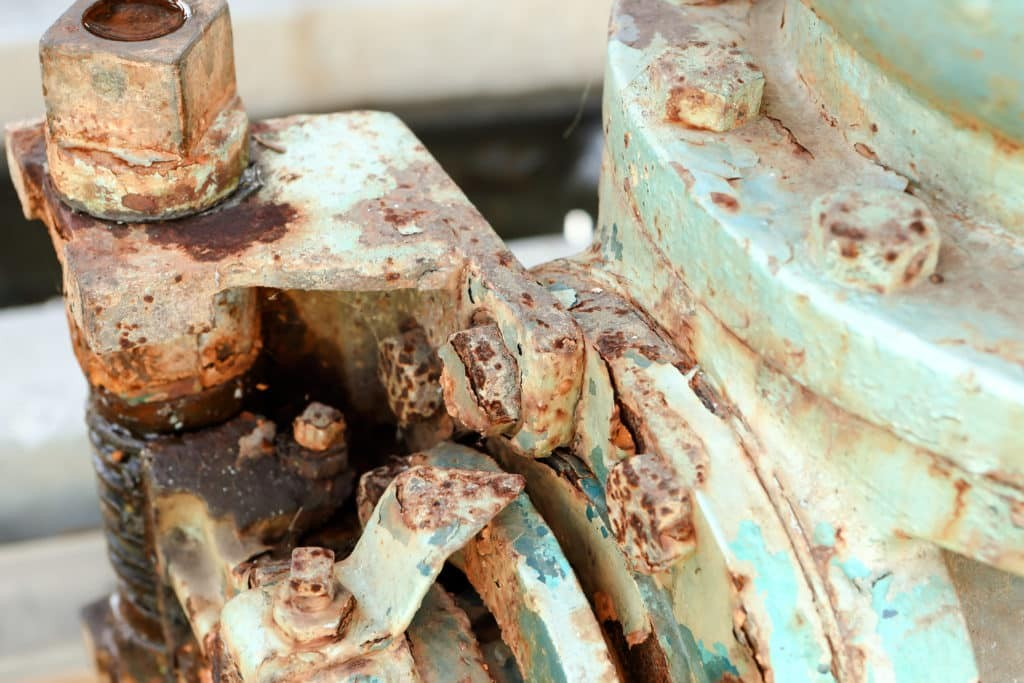
Your filler says stainless steel. 316 stainless. Food grade. Pharmaceutical grade. It still rusts. Essential oils are aggressive. They contain terpenes, phenols, and acids. These compounds corrode stainless steel over time. The corrosion releases nickel, chromium, and iron into your oil. Your organic essential oil now contains heavy metals. Your customer applies it to their skin. They absorb those metals. The problem is material selection. 316 stainless is not enough. Your essential oil filling machine needs components made of hastelloy, titanium, or PTFE-lined stainless steel. These materials resist corrosion from aggressive oils. Ask your supplier about material compatibility with your specific oils. Cinnamon. Clove. Oregano. Lemongrass. These are highly corrosive. Test your oil on a sample of the filler’s material. Leave it for one week. Look for discoloration, pitting, or weight change. If any occurs, your filler will leach metal into every bottle.
The Seal That Swells And Sheds Particles
Your filler has seals. EPDM. Nitrile. Silicone. Your oil touches these seals. The seals swell. They soften. They shed particles. Black specks appear in your oil. Your customer sees them. They return the bottle. The problem is chemical compatibility. Standard seal materials are not designed for essential oils. Your essential oil filling machine needs seals made of FKM, FFKM, or PTFE. These materials resist swelling and shedding. Ask your supplier for a chemical compatibility chart. If they cannot provide one, they have not tested their seals with your oils. Your seals will fail. Your oil will contain black specks. Specify high-performance seals. Your oil will stay clean.
The Hose That Flavors Your Oil
Your filler uses flexible hoses. Silicone hoses. They absorb essential oils. They release them slowly into the next batch. Your peppermint oil picks up notes of the lavender oil that ran last week. Your customer notices. They did not order lavender-peppermint blend. The problem is hose permeability. Silicone absorbs and releases. PTFE hoses do not. A essential oil filling machine with PTFE-lined hoses prevents flavor transfer. Ask your supplier about hose materials. If they offer only silicone, your oils will cross-contaminate. Not every batch. Just enough to confuse your customers and ruin your single-origin claims. Upgrade to PTFE. Your oils will taste and smell as they should.
The Welded Joint That Traps Old Oil
Your filler has welded joints. The weld is smooth. But the heat-affected zone next to the weld has a different microstructure. It is rougher. It traps oil. Cleaning does not remove it. Old oil sits in the microscopic valleys. It oxidizes. It flakes into your next batch. Your essential oil filling machine with poorly finished welds is a contamination source. The solution is electropolishing. Electropolishing removes the rough heat-affected zone. The entire surface becomes smooth. No traps. No old oil. No contamination. Ask your supplier about surface finish. If they say “standard welding,” ask about Ra value. You need Ra less than 0.4 microns. If they do not know what Ra means, find another supplier. Your welds must be as smooth as the base metal. Electropolish is the standard for pharmaceutical filling. Essential oils are no less demanding.
The Dead Leg That Holds Your Last Batch Forever
Your filler has a dead leg. A section of pipe where flow stops. Product sits there. It does not move. It degrades. It grows bacteria. Next batch flows past. It picks up the degraded product. Your essential oil filling machine with dead legs cannot be cleaned. The solution is zero dead leg design. Every pipe drains completely. Every fitting is self-draining. No horizontal runs where product can pool. Ask your supplier to show you their fluid path diagram. Identify every low point. If any low point does not have a drain, you have a dead leg. Your oil will sit there. It will go rancid. It will contaminate your next batch. Demand zero dead legs. Your cleaning validation will finally pass.
The One Test That Finds Every Material Incompatibility
Take a sample of every material that touches your oil in your essential oil filling machine. Stainless steel. Seal material. Hose material. Gasket material. Thread sealant. Put each sample in a separate glass jar. Cover each with your essential oil. Seal the jars. Store them for one month at room temperature. After one month, examine each sample. Look for swelling, softening, cracking, discoloration, or weight change. Test the oil from each jar. Compare to a control sample stored without any material. Look for color change, odor change, viscosity change, or the presence of metal ions. This test reveals every incompatibility before you install the filler. Not after you have filled ten thousand bottles. A month of testing saves years of quality problems. Your essential oil is pure. Your filler’s materials must be compatible. Not mostly compatible. Fully compatible. Run the test. Reject any material that changes. Demand documentation from your supplier that every component has passed this test with your specific oil. Not a generic compatibility chart. Your test. Your oil. Your standards. Your customers will never know what you prevented. That is the point. Invisible quality is the highest quality. Achieve it.