How to Recognize the Signs of Nursing Home Abuse
Philadelphia is a large, busy city with a growing elderly population and many long-term care facilities. From Center City to South Philly and West Philadelphia, families rely on nursing homes to provide constant care. With so many facilities and residents, problems can go unnoticed until serious harm occurs.
Families face difficult decisions when placing loved ones in nursing homes, trusting they will be treated with care and respect. But not all facilities meet that standard. Sudden changes in health, behavior, or appearance should not be ignored, and a Philly nursing home abuse attorney can help families take action when something feels wrong.
So, how do you recognize the signs of nursing home abuse? It often appears through physical injuries, emotional withdrawal, poor hygiene, or unexplained medical issues. Abuse can take many forms, and the warning signs may develop slowly, making it important for families to stay alert and act quickly.
What Physical Abuse Signs Look Like
Physical abuse often leaves visible signs. Look for unexplained bruises, cuts, burns, or fractures. These injuries may appear without a clear or reasonable explanation. In some cases, staff may offer excuses that do not match the severity of the injuries.
Broken hips, black eyes, and hand-shaped marks on the arms can point to physical mistreatment. Other warning signs include possible medication misuse, such as withholding necessary drugs or overmedicating residents to keep them quiet.
How Emotional Abuse Shows Up
Emotional abuse can be just as harmful as physical abuse, even though the damage is not always visible. Residents who suddenly withdraw, appear depressed, or become unusually anxious without a clear reason may be experiencing emotional harm.
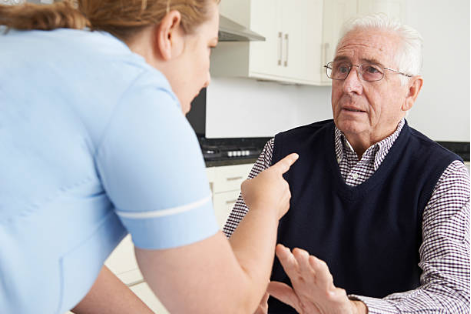
Abuse can include staff ignoring residents, yelling at them, humiliating them, or isolating them from others. Restricted family visits or limited access to your loved one may also be warning signs. If a once-social resident becomes withdrawn or seems fearful around certain staff members, it is important to investigate further.
Neglect Signs Every Family Should Watch For
Neglect is different from abuse, but it can be just as harmful. Signs include malnutrition, rapid weight loss, dehydration, untreated medical conditions, and poor hygiene. These issues often indicate that caregivers are failing to meet basic needs.
Residents left in dirty clothing, developing bedsores, or living in unsanitary conditions may be experiencing prolonged neglect. Understaffed facilities often struggle to provide adequate care, even while charging high costs for services.
How to Catch Financial Abuse
Financial abuse often targets elderly residents who have access to money or valuable assets. Warning signs include unusual withdrawals, signing documents they do not understand, or sudden changes to wills or beneficiaries.
Missing personal belongings, unpaid bills despite available funds, or unexplained bank activity may indicate theft. In some cases, staff members or other residents take advantage of confusion to manipulate seniors into giving away money or property.
Sexual Abuse Warning Signs
Sexual abuse may present through unexplained infections in private areas, bruising, or torn or stained undergarments. Any diagnosis of a sexually transmitted infection without a clear explanation should be taken seriously.
Behavioral changes can also be indicators. Residents who become fearful around specific caregivers, refuse care, or show sudden changes in behavior may be experiencing abuse.
Key Takeaways
- Nursing home abuse covers physical hurts, emotional damage, money stealing, sexual misconduct, and neglect.
- Weird injuries, mood blowing up overnight, bad hygiene say abuse might be happening.
- Financial abuse shows up through strange cash withdrawals, missing personal stuff, changed beneficiaries.
- Not enough staff plus bad training at Pennsylvania homes causes neglect problems.
- Moving fast with legal help saves proof before records vanish and witnesses forget.