Depo Provera Class Action Lawsuit: A 2025 Women’s Guide
Introduction: Why This Lawsuit Is Important
The Depo Provera class action lawsuit is more than a battle in the courtroom it’s about trust, women’s health, and if pharmaceutical giants have actually been honest with patients.
For years, millions of women used Depo Provera as a convenient, low-fuss birth control. One shot every three months guaranteed liberation from daily pills and endless anxiety. But women all over the U.S. are now coming forward, saying: “We were not told the whole story.”
In this guide, we’ll explore the history of Depo Provera, the allegations in the lawsuit, real patient stories, the legal process, possible compensation, and what women today can learn from it. Have you checked our detailed guide on Tepezza Hearing Loss Lawsuit.
What Is Depo Provera and Why Was It So Popular?
Depo Provera, manufactured by Pfizer, is a hormonal contraceptive shot approved by the FDA in 1992. Its appeal was simple: convenience and effectiveness.
- One shot = 3 months of protection
- No daily pills to keep track of
- Lower failure rate than most other techniques
Physicians frequently prescribed it to young women, busy mothers, and those who desired long-term but reversible birth control. To many, it sounded like freedom.
Freedom, however, sometimes had hidden prices.
The Allegations: What Patients Were Not Told
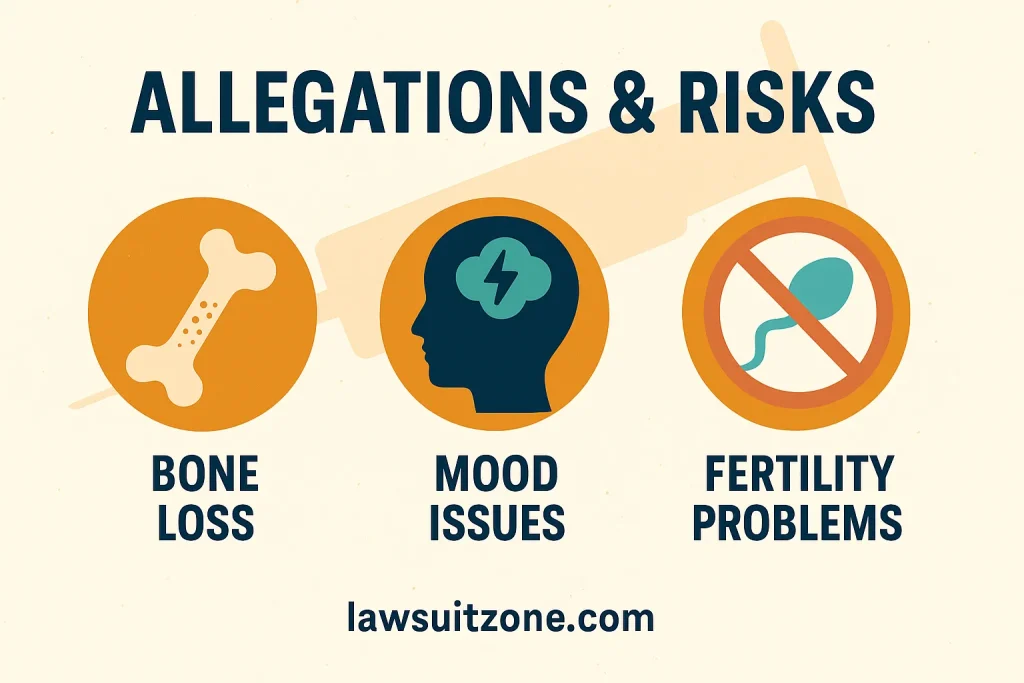
The Depo Provera class action complaint claims the company didn’t warn women of serious health risks. Plaintiffs indicate that their physicians weren’t clear in explaining—perhaps because they themselves didn’t know the scope of the risks.
Risks Generally Reported
- Bone Density Loss: Long-term users have demonstrated early osteoporosis. Women in their 30s now experience fractures commonly found in older ages.
- Mental Health Impact: Diagnosis of depression, mood swings, and anxiety.
- Delayed Fertility: Women were dismayed to learn that it may take more than a year to have normal fertility again.
- Cancer Concerns: Some reports indicate a possible risk of breast cancer, though results are contested.
- Cardiovascular Issues: Blood clots and circulation issues in some users.
For the plaintiffs, the question is not whether side effects occur—it’s whether they think Pfizer misrepresented them.
Real Stories: Women Behind the Lawsuit
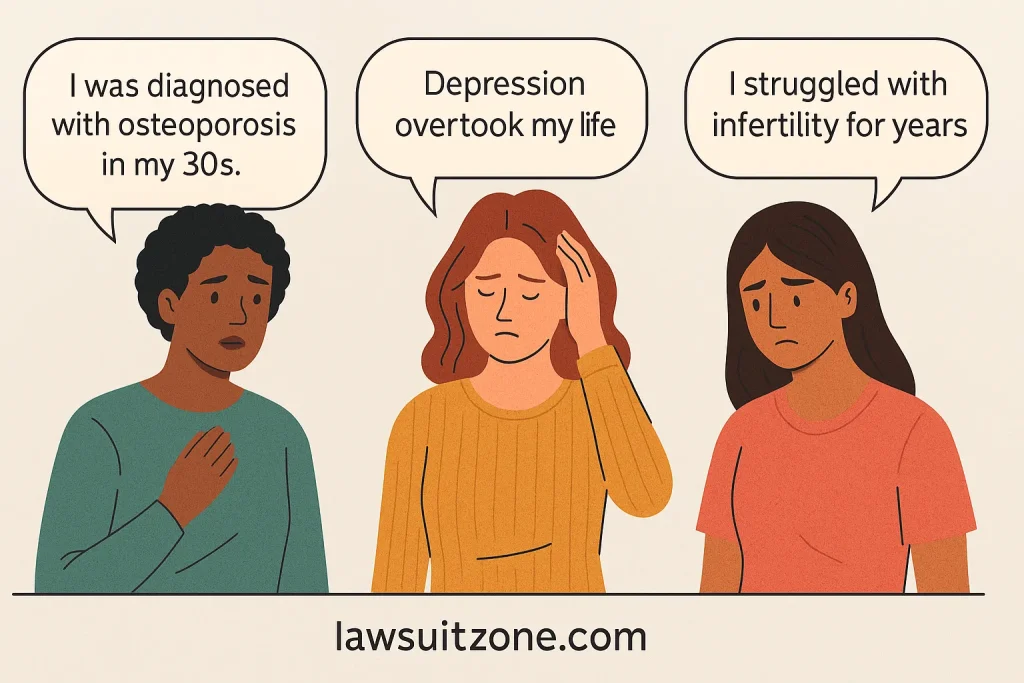
Numbers are impersonal. Lawsuits are remote. But these women, at the center of this case, have experienced the effects.
- Angela, 29 (Texas): She started using Depo Provera at 22. At 28, she was diagnosed with osteoporosis after a small fall resulted in a broken wrist. Her physician informed her that it was rare for someone so young.
- Samantha, 34 (Ohio): She battled depression for years when she was on Depo. She never had any prior history of mental illness. “I thought it was just me,” she explains. “Then I found out thousands of women were experiencing the same.”
- Denise, 31 (California): She battled infertility for three years after she discontinued Depo. “If I knew about this risk, I would have done something else,” she explains.
These are the voices driving the lawsuit—and why it speaks so powerfully.
How a Class Action Lawsuit Works
A class action lawsuit enables numerous individuals who share the same experiences to consolidate their claims into a single case. This provides a more powerful voice against a large corporation.
Why Class Actions Matter
- Efficiency: Rather than thousands of individual lawsuits, one case can proceed.
- Fairness: Victims who have smaller individual claims can still access justice.
- Accountability: Companies are subjected to collective penalties.
In the Depo Provera case, women from all over the country are banding together to call for accountability.
Legal Claims in the Depo Provera Lawsuit
The suit typically addresses four key legal claims:
- Failure to Warn: Pfizer allegedly failed to give adequate warnings regarding risks such as bone density loss.
- Negligence: The company allegedly prioritized profit over safety tests, according to critics.
- Misrepresentation: Marketing depicted Depo as “simple and safe,” not adequately balanced.
- Breach of Informed Consent: Patients allege they were not able to make an informed choice.
The Legal Process: Step by Step
This is how the lawsuit process generally works:
- Plaintiffs submit claims listing their illnesses.
- Courts look at class certification to see if cases are sufficiently alike to be tried as one.
- Discovery phase: Both sides share medical records, internal company documents, and expert opinions.
- Negotiations: Most lawsuits settle prior to trial.
- Trial: In the unlikely event of no settlement, the case goes to court.
This process can take years—but can also set broad precedents regarding women’s health.
Possible Compensation for Victims
Successful plaintiffs in the Depo Provera class action suit could be compensated for:
- Medical expenses for bone scans, treatments, and therapy
- Lost income due to inability to work
- Costs of long-term care for chronic diseases
- Pain, suffering, and emotional distress
- Punitive damages to punish wrongdoing
Actual figures will differ, but previous cases in women’s health (such as Essure and Yaz) have resulted in multi-million-dollar payouts.
A Broader Perspective: Women’s Health and Disclosure

This case is more than about a single contraceptive. It’s a symptom of a larger issue: women’s health has been left on the backburner, underfunded, and under-publicized.
- Contraceptives are approved more quickly than other medications.
- Women’s specific health concerns are downplayed in research at times.
- Informed consent is not always given top priority.
The lawsuit provokes a dialogue: Do women really have the complete picture when deciding on health matters?
What Patients Can Do Now
If you’re a Depo Provera user—or thinking of becoming one—here are things you can do right now:
- Ask your physician for complete information about side effects.
- Request a bone density test if you’ve been on Depo for a long time.
- Maintain a medical record of side effects.
- Report to the FDA if you feel you’ve been injured.
- Seek the advice of a lawyer if you believe you may be entitled to legal action.
For a link to government information, see the FDA’s guide to birth control methods.
Comparisons to Other Contraceptive Lawsuits
The Depo Provera case is just part of a larger trend:
- Essure (permanent birth control): Recalled from the market due to thousands of reports of pain and complications.
- Mirena IUD: Lawsuits regarding device migration and perforation.
- Yaz/Yasmin Pills: Experienced legal lawsuits due to blood clots.
These cases uncover the ways women’s health products sometimes appear on the market without proper long-term safety testing.
Potential Outcomes of the Case
What might happen next?
- Settlement: Pfizer could settle with patients for compensation without admitting fault.
- Trial Verdict: A jury might award damages if evidence favors plaintiffs.
- Label Changes: The FDA might insist on stronger warnings.
- Policy Changes: The lawsuit may impact stricter approval requirements for contraceptives.
Frequently Asked Questions
Final Thoughts
The Depo Provera class action lawsuit brings home a painful reality: women tend to carry the cost of lacking information in medicine. As the courts determine if Pfizer will answer for it, the true lesson extends beyond—patients are owed clarity, honesty, and empowerment.
If you or someone you know has taken Depo Provera, stay vigilant, speak out for yourself, and know that you’re not isolated. This lawsuit is one part of a larger movement calling for accountability and transparency in women’s health.