Defending Against DUI Charges
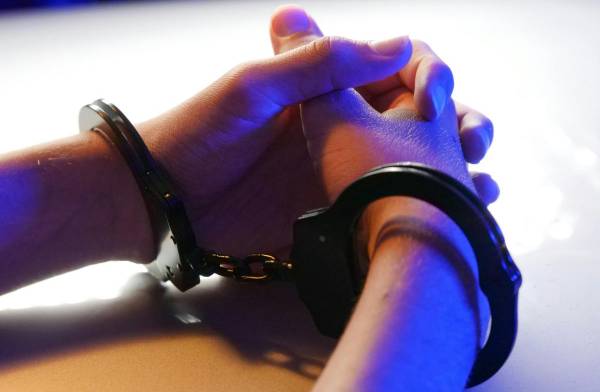
Did you know there are about a million Driving Under the Influence arrests every year? For 2024 alone, it’s estimated that 11,904 people lost their lives in crashes tied to drunk drivers, which is 30% of all deaths from road accidents in the United States.
Driving Under the Influence laws vary by state. That’s why defense tactics against an arrest need careful consideration of the rules in your jurisdiction. Still, you need to be prepared to face the harsh penalties it entails.
There are several benefits that largely outweigh the cost and risk of representing yourself in court. Hudson County DUI lawyer Scott E. Migden says that seeking out the help of a lawyer immediately is important to discuss your case.
Here’s a clear guide with practical tips to help protect yourself from this crime.
Challenging the Legality of the Traffic Stop
The Fourth Amendment is designed to prevent any unreasonable searches and seizures. This is a rule that can help you when an officer stops your car. This is because such an act can be considered a search and seizure.
The officer making the stop must have reasonable suspicion of the commission of a crime. Reasonable suspicion entails specific facts, not a mere feeling or belief, not just because the individual seemed nervous while driving or simply based on the hour and the place.
All evidence that developed after the stop became illegal because the officer started it without valid legal grounds. That includes the officer’s observations during the stop, the results of the field sobriety test, and the breathalyzer or blood test result. A motion to suppress that successfully challenges an unlawful stop can remove the prosecution’s primary evidence and result in dismissal of the charge entirely.
Dashcam and bodycam footage have become central to these challenges. Courts that once relied entirely on an officer’s testimony to establish the basis for a stop now have video evidence that may or may not corroborate what the report describes.
The case of reasonable suspicion begins to deteriorate when the footage shows a driver operating the vehicle without any visible traffic violations before the police stopped him. Requesting this footage early in the case is standard practice for any competent DUI defense, as retention policies at many agencies overwrite footage within 60 to 90 days.
Field Sobriety Tests: Subjective by Design
Three standardized field sobriety tests have been approved by the National Highway Traffic Safety Administration, namely, the horizontal gaze nystagmus test, the walk-and-turn test, and the one-leg stand test, for allowing the officer to identify specific indicators of impairment. However, the inference drawn from this exercise will be entirely based on the subjective assessment of the individual conducting the test.
There are many things that can make it seem like field sobriety tests are not passed due to no use of alcohol. These include inner ear problems, neurological disorders, medication, dim lighting, the surface that one is on, stress, age, obesity, injuries, and poor shoe fitting.
The National Highway Traffic Safety Administration does not recognize non-standardized tests, which leaves them vulnerable to legal challenges. The defense can challenge test results that an officer obtained by running non-approved tests or failing to run standardized tests according to official procedures.
Breathalyzer Accuracy and the Calibration Challenge
Breathalyzer devices should have regular calibration and maintenance to produce accurate results. Especially in DUI cases, there are times when equipment issues or improper handling of such devices are used to challenge the accuracy of the test results.
In some cases, breathalyzer tests produce false-positive results. This is because of certain medical conditions like Gastroesophageal reflux disease (GERD), which causes stomach alcohol vapors to rise into the esophagus and mouth. In such situations, they are captured by the breathalyzer as if they came from alveolar lung air. The resulting reading overestimates the true blood alcohol content.
Uncontrolled diabetes can cause acetone production at levels that interfere with infrared breathalyzer detection. High-protein or ketogenic diets produce similar acetone elevation. A driver with any of these conditions who tested above the legal limit may have a legitimate basis to challenge the accuracy of the result.
Mouth alcohol contamination produces incorrect readings because it serves as a recognized source of error. Officers must watch a driver for a certain time before they conduct the test to check if the driver has consumed food or beverages or vomited or belched, which would result in mouth alcohol contamination of the sample.
The Rising BAC Defense
The absorption of alcohol into the bloodstream takes place over a lengthy period of time. The highest blood alcohol concentration for a person is between 30 minutes and two hours after they stop drinking. This may depend on their body weight, food intake, personal metabolic rate and alcohol consumption pattern.
The defense of rising blood alcohol concentration, which uses this absorption curve as its basis, shows that a driver who had a legal blood alcohol concentration during driving will show a blood alcohol content test result that exceeds the legal limit when tested multiple hours later.
The defense works best when the evidence from the case establishes a proper timeframe for its application. The physiological process of alcohol absorption explains why drivers who drank before driving and were stopped soon after and whose blood alcohol levels exceeded the legal limit at testing time remained within legal limits while driving. To present this defense successfully, the lawyer needs expert toxicological evidence.
Miranda Rights and Statement Suppression
The police have a legal obligation to read you your Miranda rights when you are placed under arrest. In this case, they will inform you of your rights to remain silent and that “anything you say can and will be held against you in a court of law,” according to https://www.thelawyersforyou.com/. Understanding the seriousness of this statement is important so you can take full advantage of your right.
Failure on the part of the police to inform the suspect of his/her rights can mean that any statement made is inadmissible as evidence. The case continues after incriminating statements get suppressed because prosecutors lose their primary evidence, which they usually use to establish blood alcohol content and to present the defendant’s behavior and admission patterns.
DUI Consequences and Why Defense Matters
A first-offense DUI conviction in most states results in financial penalties, license suspension, and required alcohol education. In some jurisdictions, they mandate ignition interlock device installation before drivers can regain their licenses.
Subsequent offenses lead to increased penalties, which include mandatory prison time and extended license suspension. It may also include felony charges in certain states for those who have prior convictions or whose blood alcohol content level was extremely high. A conviction leads to a permanent criminal record and increased insurance costs, which result in higher insurance premiums for the offender.
The stakes are highest for commercial drivers whose CDL is subject to disqualification at a 0.04 blood alcohol content threshold, half the standard limit, and for professional license holders in fields that require character and fitness review.
A DUI conviction reported to a state licensing board in medicine, law, nursing, or education can trigger a separate disciplinary proceeding that is independent of and in addition to the criminal consequences.