Commercial Fire Watch Services Supporting Continuous Business Operations
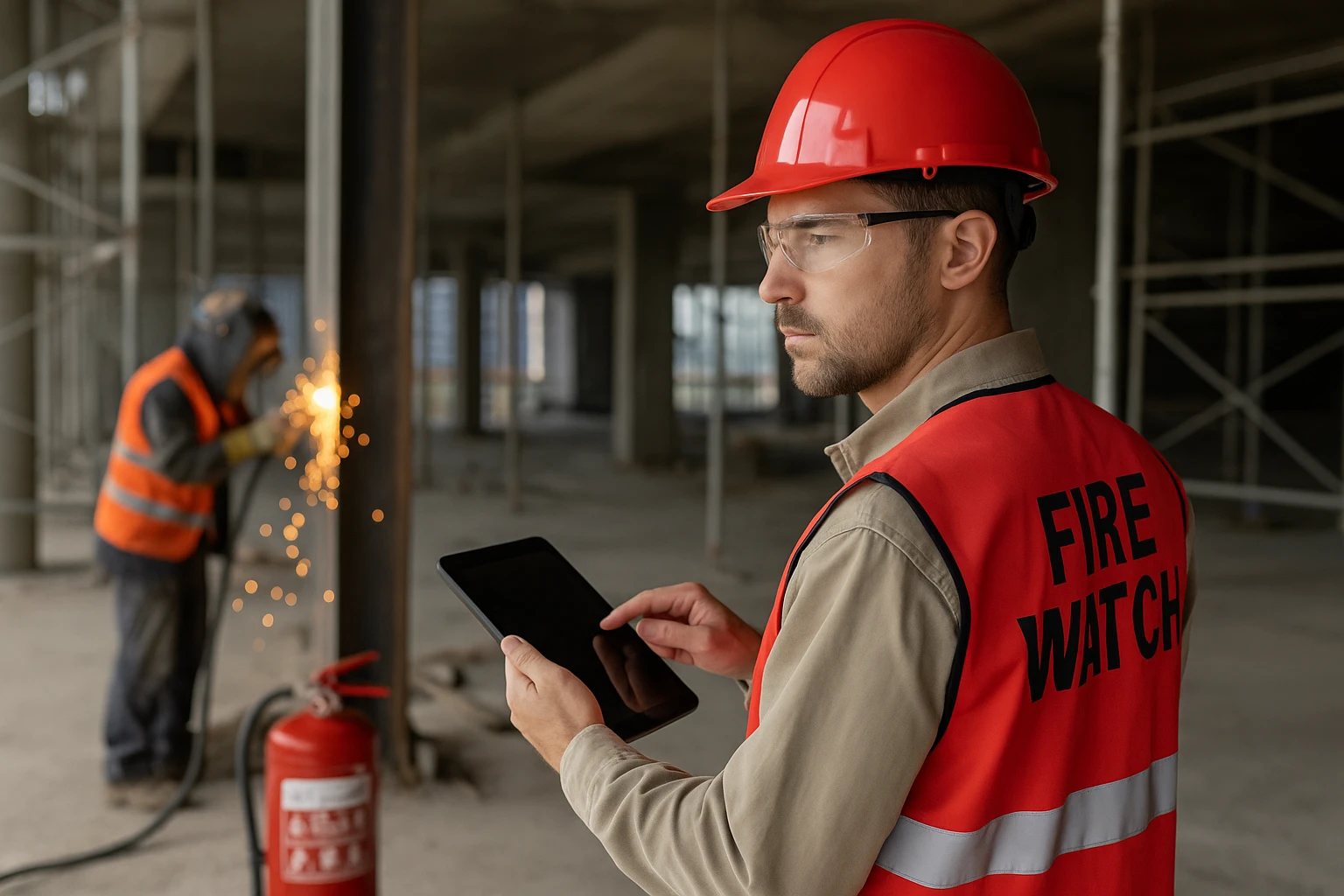
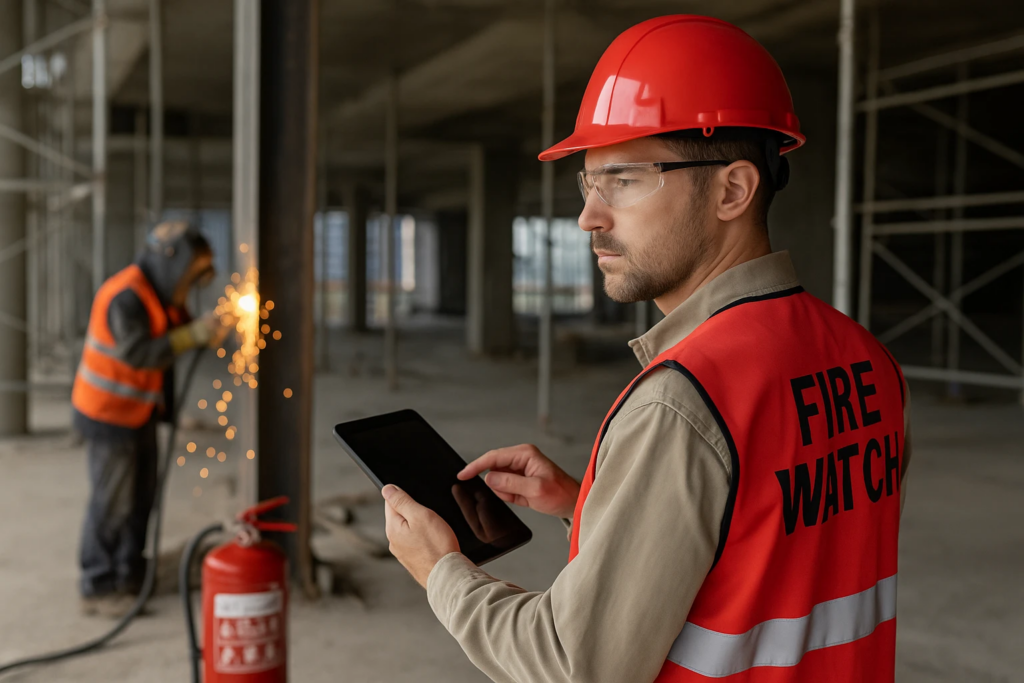
Business activity rarely stops for safety repairs. Orders still arrive each day. Staff members remain on duty. Customers continue entering facilities. During those periods, property owners must balance protection with productivity. Temporary system failures create challenges because risks remain present. A trained fire watch guard helps fill that gap. Through active observation and routine patrols, businesses maintain safer conditions while important work continues without unnecessary interruptions.
How Do Fire Watch Services Protect Daily Operations?
A commercial site depends on more than equipment. People play an important role during unexpected situations. When alarms stop functioning or sprinkler systems require repairs, alternative oversight becomes necessary.
Instead of leaving areas unchecked, trained personnel inspect assigned locations. They watch for warning signs and report concerns quickly. This approach allows managers to address issues before larger complications develop. As a result, daily activity remains on schedule while repairs move forward.
Why Monitoring Matters During System Outages
Mechanical devices provide valuable protection. Still, every system requires maintenance at some point. During those periods, facilities face temporary exposure.
Consider a busy warehouse handling incoming shipments. Workers focus on loading tasks throughout the day. Under those conditions, developing hazards may pass unnoticed. Dedicated patrols add another level of awareness.
Common concerns include:
- Electrical faults near equipment
- Heat-producing construction activities
- Blocked emergency access routes
- Improper material storage
Each situation deserves attention because small issues often grow unexpectedly.
Keeping Occupants and Property Safer
Safety extends beyond preventing damage. Employees deserve secure workplaces. Visitors expect responsible management practices. Tenants want confidence within occupied buildings.
For that reason, trained personnel remain alert throughout assigned shifts. Their observations help identify developing concerns early. They document findings carefully and share updates with responsible contacts.
Important tasks often include:
- Scheduled inspection rounds
- Incident record maintenance
- Hazard notification procedures
These actions create accountability while reducing uncertainty.
What Happens During an Active Assignment?
Each location presents different conditions. A retail center faces different concerns than a manufacturing facility. Because of those differences, patrol activities follow site-specific requirements.
During coverage periods, a fire watch guard checks designated zones regularly. Inspection records track completed rounds and observed conditions. When concerns appear, responsible personnel receive prompt notification. Quick communication helps prevent delays and allows corrective action before problems spread across occupied areas.
Meeting Requirements Without Halting Business
Building owners often face strict obligations. Safety measures cannot disappear during repair work. Regulatory expectations remain in place until protective equipment returns to service.
Temporary monitoring provides a practical solution. Facilities continue operating while alternative oversight remains active. Documentation also creates a clear record of completed inspections. Those records become valuable during reviews, audits, or compliance discussions.
Key advantages include:
- Continued access for occupants
- Reduced operational disruption
- Clear inspection documentation
- Improved site awareness
- Better emergency readiness
Beyond Compliance and Immediate Concerns
The value reaches further than regulatory requirements. Patrol observations often reveal conditions requiring attention. Storage practices, housekeeping issues, and maintenance concerns become easier to identify through regular inspections.
Managers gain useful information from those findings. Future planning becomes easier when recurring risks are documented. Over time, facilities strengthen internal safety practices through lessons gathered during temporary coverage periods.
FAQs
When is fire watch coverage needed?
Coverage becomes necessary when protective systems remain unavailable. Alarm failures, sprinkler repairs, and renovation work often create those circumstances.
Can operations continue during coverage?
Yes. Many facilities remain open while trained personnel monitor designated areas and document inspection activity.
Who benefits from these services?
Warehouses, office properties, hotels, healthcare facilities, retail locations, and construction projects often use temporary monitoring.
Are inspection records maintained?
Yes. Detailed logs document patrol times, observations, and reported concerns throughout each assignment.
Keeping Activity Moving During Critical Moments
A warehouse replacing sprinkler components cannot always pause deliveries. Inventory still moves through loading areas. Drivers still arrive according to schedule. Active monitoring helps bridge that temporary gap. The real advantage comes from maintaining awareness when equipment remains unavailable. In those moments, informed observation protects more than property. It helps preserve operational continuity when interruptions could carry lasting consequences.