Smoothstack Lawsuit: 2025 Definitive Guide for Tech Workers
Introduction: Why the Smoothstack Lawsuit Matters
The Smoothstack lawsuit has been rocking the world of tech consulting since it was discovered. Picture getting out of college, ready to begin your very first IT career, only to find that the “opportunity” has years-long obligations, secret fees, and contracts you don’t really know.
That’s what many employees say actually happened to them at Smoothstack. This case isn’t isolated it’s a window into how the new tech labor system treats its youngest and most vulnerable workers. Have you checked our detailed guide on Life360 Lawsuit.
What is Smoothstack? Pathway or Trap?
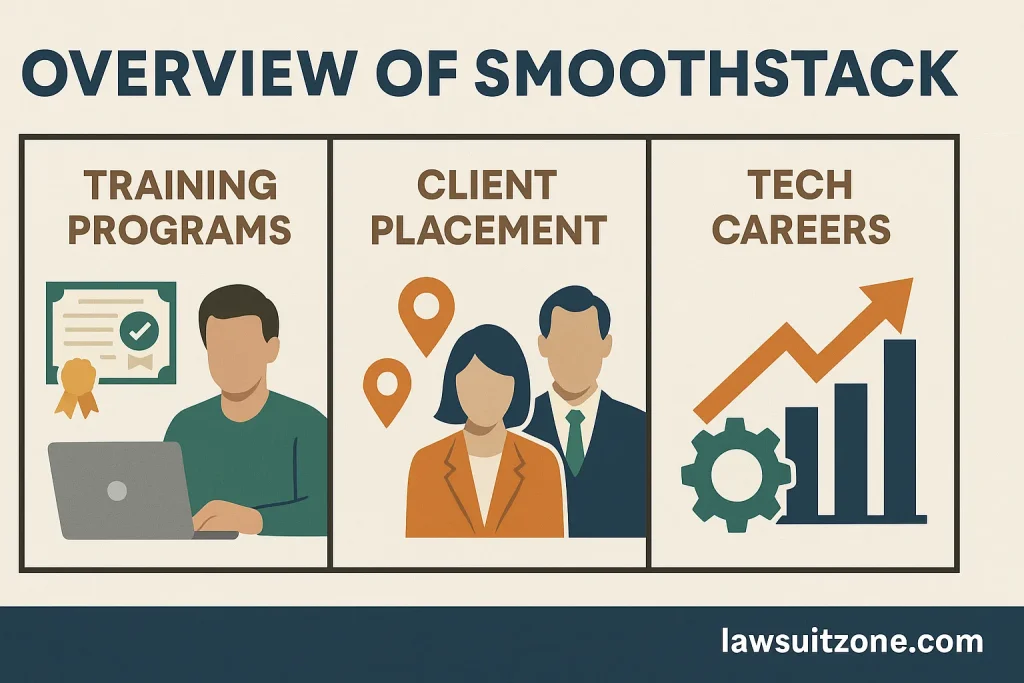
Smoothstack promotes itself as a training and consulting company. The spiel sounds appealing:
- Free training to upgrade.
- Guaranteed placement with high-profile customers.
- A steady paycheck in IT.
But here’s the catch: Former workers claim what was promised to be an opportunity became a contractual trap. Employees talk about being trapped in contracts that made quitting almost impossible at a financial cost.
Allegations in the Smoothstack Lawsuit
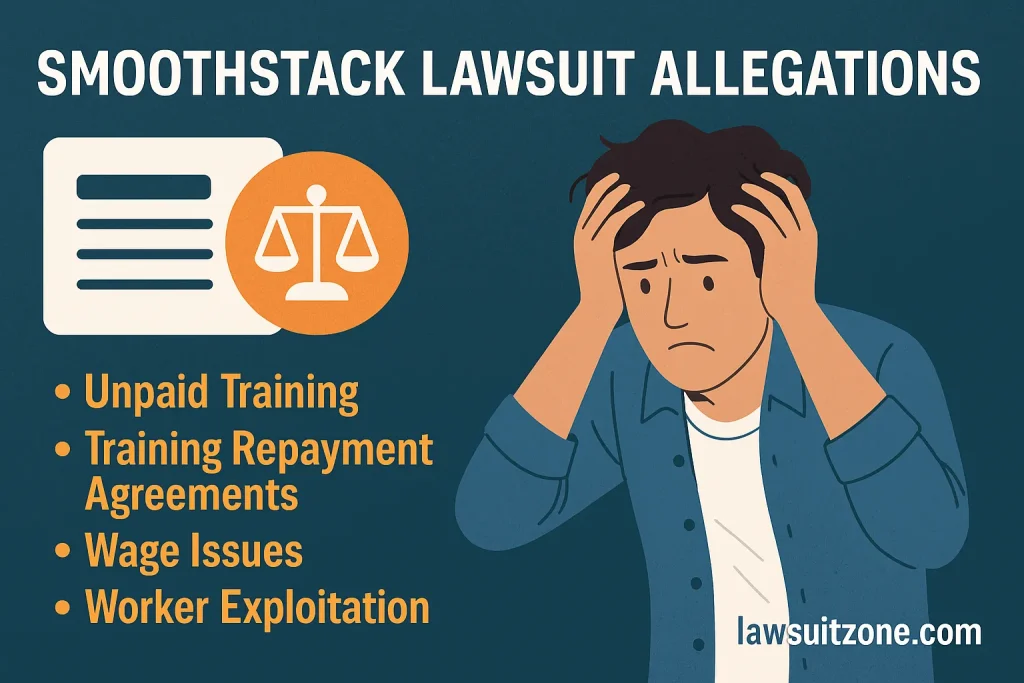
The core of the Smoothstack lawsuit is four significant claims:
- Unpaid Training – Trainees complain of working extended hours in training sessions for no pay.
- Training Repayment Agreements (TRAs) – Contracts purportedly coerce workers to remain with the company for many years, or pay penalties of over $20,000.
- Wage Issues – Workers report paychecks being short of recruitment promises.
- Worker Exploitation – Reports detail workers performing billable client work for less than market rates.
The Human Side: Workers’ Stories

Most lawsuits appear cold—nothing but legal papers and numbers. But not this one. It has faces and stories.
- One of the trainees posted online that they were threatened with a $30,000 bill if they attempted to leave after months of unpaid work.
- Another said they worked 60+ hours a week on a client site but still struggled financially.
These are the reasons why the case resonates so much. It’s not about money—it’s about dignity at work.
Legal Questions the Case Raises
The Smoothstack lawsuit isn’t only about one company—it’s about larger labor law questions:
- Can businesses require repayment for training if employees quit early?
- Do unpaid hours of training break the Fair Labor Standards Act (FLSA)?
- Is it lawful to tie up workers with penalties that read like debt traps?
The U.S. Department of Labor states that employers are required to adhere to clear standards regarding wages and working conditions, and the breaking of these can have severe repercussions.
Smoothstack Lawsuit Timeline
- 2022: Initial employee grievances appear online.
- 2023: Lawsuit formally brought by previous employees.
- 2024: Pre-trial hearings commence, receiving media attention.
- 2025: Case rolls on, with workers and tech companies keeping a close eye.
Smoothstack’s Defense
Of course, Smoothstack has a side. The organization contends that:
- Its training programs are not free, and contracts safeguard that investment.
- Workers willingly signed contracts.
- Its model is standard in the industry and opens up opportunities to underrepresented tech workers.
This defense underlines a conflict between investment protection for corporations and employee liberty.
Industry Impact: Why Tech Companies Are Anxious
If courts decide against Smoothstack, the domino effect will be enormous. Numerous IT staffing companies employ identical models. A precedent here could:
- Make Training Repayment Agreements (TRAs) unlawful.
- Force companies to compensate for all training hours.
- Alter the nature of how tech consulting contracts are written.
Comparing Other Cases
The Smoothstack lawsuit is not alone. Such lawsuits have been directed against:
- Health staffing agencies for shackled repayment agreements.
- Coding schools for deceptive job guarantees.
- Other IT companies accused of cheating consultants assigned to Fortune 500 clients.
The trend is clear: sectors dependent on “bonded labor” are being pushed back.
What Employees Can Take Away
- Always Read the Fine Print – Agreements are binding. Don’t overlook repayment terms.
- Know Your Rights – Federal and state labor laws usually cover workers more than they know.
- Get Legal Assistance Early – When something doesn’t seem right, don’t wait until it gets out of hand.
Expert Insights
Legal experts have opined that cases such as the Smoothstack suit may redefine the way employment contracts are drafted in the tech sector.
According to one law professor:
“If the courts invalidate these repayment deals, it will free thousands of workers trapped in exploitative deals.”
Potential Consequences of the Smoothstack Lawsuit
- Court Finds Against Smoothstack – May result in payment to workers and more regulation.
- Settlement – Probable scenario where firm pays workers behind closed doors.
- Dismissal – If charges fail to stick, Smoothstack gets off scot-free but public confidence takes a hit.
Frequently Asked Questions
Conclusion
The Smoothstack lawsuit is not just a legal matter—it’s a fight for justice in the tech sector. For employees, it’s an alert to be careful while reading contracts, familiarize yourself with your rights, and never forget red flags. For businesses, it’s a reminder that guarding investments must never mean jeopardizing employees.
As 2025 progresses, this case could create a historic precedent for how young professionals join the tech sector—and for how much liberty they really have.