Walmart Defamation Lawsuit: Full 2025 Legal Guide
Introduction: A Lawsuit That Brings Shoppers to a Halt
The Walmart defamation case isn’t another corporate news headline it’s a case that resonates with everyday consumers, online critics, and even occasional social media users. Walmart, a brand that millions depend on every day, alleges that its reputation has been unjustly damaged by false statements that spread through digital channels.
In an age when a tweet can get millions of shares within minutes, Walmart’s move to take a legal stance has raised questions: Where does the limit lie between free speech and defamation? Can massive corporations shut down critics, or are they just shielding themselves from false information?
What Does Defamation Actually Mean? (And Why It Matters Here)
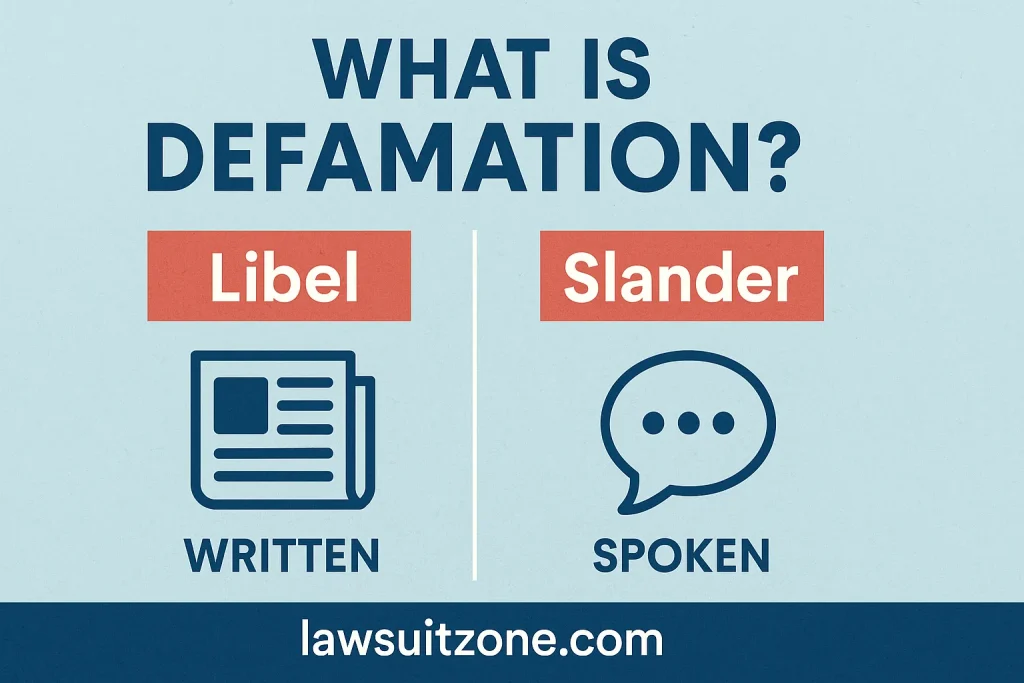
Fundamentally, defamation is all about reputation. Legally, it’s a false statement of fact intended to hurt.
- Libel → Written defamation (blogs, articles, posts).
- Slander → Spoken defamation (podcasts, interviews, public statements).
For Walmart, the stakes are high. With revenues of more than a half trillion each year, its reputation is one of its greatest assets. Even tiny scratches can reverberate into billions lost in sales or eroded investor confidence. Have you checked our detailed guide on Nightfall Group Lawsuit.
Walmart’s Legacy: Beloved by Many, Criticized by Others
Walmart’s tale is a legendary one—started by Sam Walton in 1962, it began as a small Arkansas retailer and became the world’s biggest retailer. To some, it represents community access and affordability. To others, it is a symbol of corporate excess, pushing out small business and consistently taking criticism for labor practices.
This past has made Walmart accustomed to litigation—but the defamation lawsuit seems different. It’s not wages or prices. It’s words, images, and ideas that Walmart contends cross into damaging falsehoods.
The Spark Behind the Walmart Defamation Lawsuit
So what in particular motivated Walmart to head to court? Accounts point to a combination of media reports and viral social posts:
- Viral posts claiming unsafe or discriminatory operations at some stores.
- Blog posts that defamed Walmart based on unsubstantiated accusations.
- Commentary that became so much like criticism that it crossed the line into factual reporting.
Walmart asserts that these attacks weren’t opinions at all—those were hurtful lies presented as fact.
Why Walmart Chose to Fight Back
Suing corporations is expensive and visible. So why go on?
- Brand Defense: Walmart’s brand name is worth billions—its protection is not up for debate.
- Customer Trust: Consumers have to think the brand is trustworthy.
- Deterrent Effect: Send the message that unfounded viral rumors won’t go unpunished.
- Media Narrative: Suing enables Walmart to formally dispute hurtful narratives.
Inside the Court Case: What Walmart Must Establish
For Walmart to win, its attorneys must check certain legal boxes:
- The words were not opinions, but false.
- They were made as facts and widely disseminated.
- The lies did tangible damage (financial or reputational).
- They were done with negligence—or “actual malice,” considering Walmart’s magnitude and public profile.
The “actual malice” requirement, established in New York Times v. Sullivan, is relevant here. It requires Walmart to prove the defendants knew their statements were false or at least acted with reckless disregard for the truth.
How the Court Process Will Likely Unfold
Few readers picture a high-stakes trial, since defamation suits are long, complicated, and frequently settled out of court. The standard playbook:
- Complaint Filed: Walmart officially charges defendants with defamation.
- Response: Defendants respond or file to dismiss.
- Discovery: Both sides drill into evidence, emails, and social media posts.
- Depositions: Witnesses are sworn and interrogated.
- Pretrial Motions: Efforts to dismiss or limit the case.
- Trial (if it goes that far): Judge or jury renders decision.
- Appeals: Potential objections to the decision.
This might take years—or months.
What Consumers Need to Know
Why should regular consumers care?
- Truth in Advertising: If deceitful claims were made, shoppers are entitled to know.
- Free Speech Limits: It illustrates just how far individuals can get when complaining about a business.
- Customer Service: A decision could influence how Walmart responds to criticism in the future.
Industry-Wide Impact: Bigger Than Walmart
Even if you never shop at Walmart, this case establishes significant precedents:
- Social Media Responsibility: Sites can be under pressure to cut down on misinformation.
- Corporate Reputation Wars: Other firms can follow Walmart’s example.
- Media Norms: Journalists and bloggers can walk more carefully if they cover big corporations.
Drawing Comparisons to Walmart’s Famous Defamation Fights
History provides hints:
- McDonald’s “McLibel” Lawsuit (1990s): McDonald’s sued activists, but the lawsuit went awry, making McDonald’s out to be a bully.
- Nike v. Kasky (2002): Nike battled allegations regarding labor practices within its supply chain.
- Tesla & Elon Musk: Musk has threatened defamation lawsuits against critics and short-sellers.
The takeaway? Defamation lawsuits by corporations are dicey. They may backfire when perceived as attempts to silence free speech.
What Could Happen Next? Possible Outcomes
The Walmart defamation lawsuit may have one of the following outcomes:
- Settlement (Most Likely): Both parties agree in private, maybe with a public announcement.
- Dismissal: Walmart does not live up to legal standard.
- Walmart Victory: Court grants damages or retractions.
- Defendant Victory: Statements adjudicated as protected opinion.
Lessons for Businesses
- Reputation = Currency: Protect it aggressively.
- Transparency Wins: Openness works to repel misinformation.
- Pick Battles Wisely: Lawsuits against critics can harm public image.
Lessons for Everyday Consumers
- Think Before Posting: Criticism is okay, but lies can lead to lawsuits.
- Back Up Claims: If you post negative incidents, base them on facts.
- Understand Speech Limits: Free speech doesn’t cover defamation.
Trusted Sources for Readers
Readers interested in corporate defamation and advertising ethics will find reliable sources in the Federal Trade Commission (FTC).
FAQs Regarding the Walmart Defamation Lawsuit
Final Thoughts: What the Walmart Defamation Lawsuit Symbolizes
The Walmart defamation case is not just a lawsuit—it’s a cultural moment. It challenges us: In the era of TikTok diatribes, viral memes, and blog exposes, how much influence should words carry over the fate of a corporation?
For Walmart, this case is a matter of safeguarding decades of brand value. For critics, it’s about free speech. And for the rest of us, it’s a reminder: in an interconnected world, every tweet, Facebook post, or comment has significance.
Win or lose, the reverberations of this case will influence the way companies fight back and the way consumers express themselves for decades to come.