How to Document an Injury After an Accident in Tulsa, Oklahoma
Post Preview
Key Takeaways
- Evidence is often easier to preserve immediately than weeks later.
- Photos, reports, witness information, and physical items can help explain how an accident happened.
- Medical records, bills, and income documentation help show the effects of an injury.
- A short daily journal can capture changes in pain, mobility, sleep, and routine activities.
- Save all communications with insurers, employers, property owners, and others involved.
- Do not assume that legal deadlines or video recordings will remain available indefinitely.
After an accident in Tulsa, documentation can become just as important as memory. Whether the injury happened in a collision, a fall at a business, a workplace incident, or another unexpected event, early records can help create a clearer account of what occurred. People looking for the best injury lawyer for accident victims in Tulsa may also benefit from building an organized file before important details, physical evidence, or communications become difficult to locate.
This checklist is general information, not legal advice. Oklahoma deadlines, insurance requirements, and claim procedures can differ based on the type of incident and the parties involved. The practical goal is simple: prioritize health and safety, preserve what can be preserved, and keep records that connect the accident, injury, treatment, and financial effects.
Table of Contents
- Why Evidence Matters
- The First 24 Hours
- Scene Evidence
- Medical Records
- Financial Losses
- Witnesses and Reports
- Insurance Communications
- Common Mistakes
- Simple File System
- When to Get Help
- Final Checklist
Why Evidence Matters After an Injury
An injury claim may involve two separate questions: what caused the event and what losses resulted from it. Evidence of fault might include a photograph of a hazardous walkway, vehicle damage, or a witness statement. Evidence of damages may include treatment records, receipts, lost-income records, and notes about how the injury affected daily life. Neither category guarantees a settlement or a particular outcome, but organized records can make the timeline easier to understand.
What to Do During the First 24 Hours
Health and safety come first. Seek emergency care when symptoms are severe, new, or worsening. When it is safe, report the incident to the appropriate person or agency, such as law enforcement, a supervisor, or a property manager. Write down the date, approximate time, exact location, lighting, weather, and basic conditions. If possible, collect the witness’s contact details, photograph the area, and place all new records in a single secure folder.
How to Preserve Scene Evidence
Photographs and Video
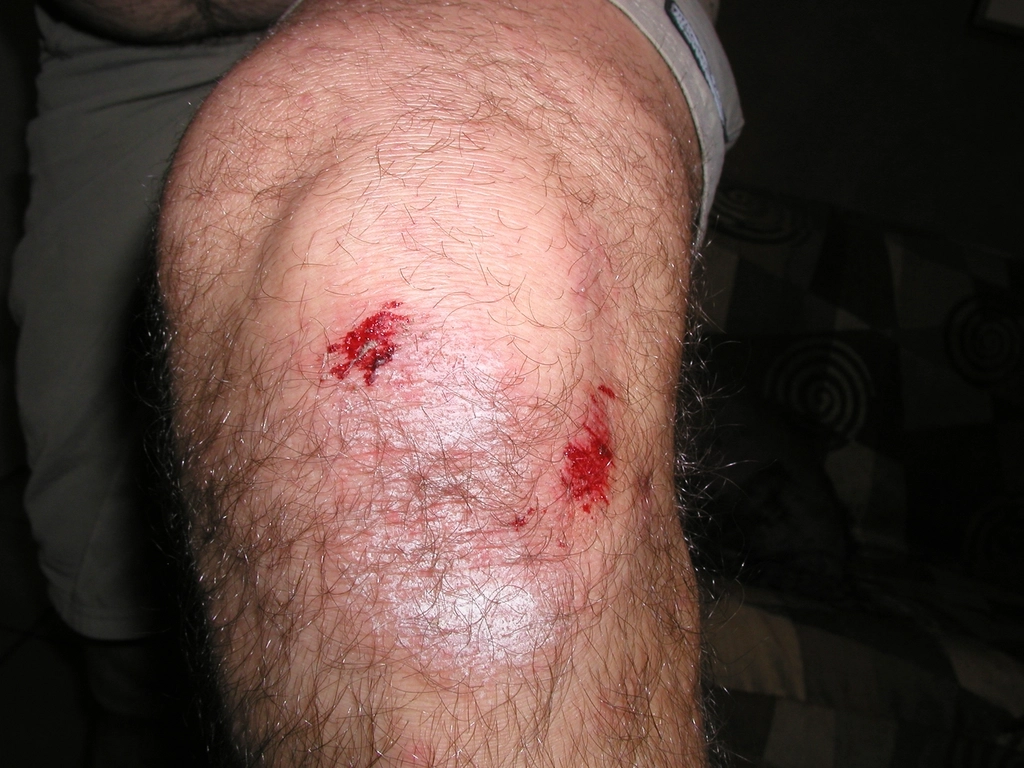
Take wide images that show the full setting, then closer images of damage, hazards, injuries, signs, footwear, vehicles, equipment, or relevant road conditions. In Tulsa, an accident scene can change quickly when a vehicle is moved, a spill is cleaned, or a damaged item is repaired. Keep original image files when possible, avoid heavy editing, and back them up in at least one additional location.
Physical Items
Save damaged clothing, shoes, helmets, tools, vehicle parts, or products when they may be relevant. Do not discard, repair, or alter an item until it has been photographed and its condition has been recorded. Safety still matters most. Do not return to a dangerous location or place yourself in traffic just to obtain additional evidence.
How to Organize Medical Records
Keep treatment records separate from bills, but store both in the same medical folder. Useful documents may include emergency-room paperwork, imaging results, prescriptions, therapy notes, specialist records, work restrictions, and follow-up instructions. Record each appointment date and the reason for the visit. Federal privacy rules generally provide individuals with a right to inspect, review, and receive copies of medical and billing records held by covered providers and plans, so use the process for requesting copies of medical and billing records when records are missing from your file.
Follow recommended care when reasonably possible, and document any barriers that arise, such as transportation problems, scheduling issues, or inability to obtain an appointment. Do not try to diagnose yourself in a journal. Instead, describe observable effects, such as difficulty sleeping, lifting, driving, walking, or completing household tasks.
How to Track Financial Losses
Use a dated spreadsheet or notebook to record expenses and lost income without guessing at amounts. Save receipts and supporting paperwork for medical bills, prescriptions, transportation to appointments, repair estimates, replacement services, home help, child care, and other injury-related costs. For work losses, keep pay stubs, schedules, employer communications, tax records, and documentation of missed shifts, reduced hours, or changed duties.
Why Witnesses and Official Reports Matter
Write down each witness’s name, phone number, email address, and a brief note about what that person observed. Request available police, incident, workplace, or property reports, then save the request and any response. Also identify possible video from nearby businesses, traffic cameras, doorbell cameras, or building security systems. Promptly request that relevant recordings be preserved, as some systems may overwrite footage during normal operations.
How to Handle Insurance Communications
Save every claim number, letter, email, text, voicemail, and document you receive. Keep a call log with the date, time, the caller’s name, and a short summary of the discussion. Answer factual questions honestly, but do not guess about future treatment, medical conditions, fault, or the full value of a claim. Review documents carefully before signing, especially releases and broad authorizations. It is also wise to avoid detailed public posts about the accident or recovery while a claim is active.
Common Documentation Mistakes to Avoid
- Waiting too long to photograph visible injuries or the scene.
- Deleting messages, emails, or posts related to the event.
- Throwing away damaged property before documenting it.
- Keeping bills but losing the related treatment records.
- Relying on memory instead of recording dates and details.
- Failing to preserve proof of missed work or reduced earnings.
- Assuming someone else will automatically keep surveillance video.
A Simple Injury File System
Create six folders, either digital, physical, or both:
- Incident: Photos, video, reports, and scene notes.
- Witnesses: Contact information and observations.
- Medical: Records, bills, prescriptions, and appointments.
- Work and Income: Pay records, schedules, and employer communications.
- Property: Repair estimates, receipts, and ownership documents.
- Insurance and Daily Life: Claim communications and a symptom journal.
Use consistent file names, such as “2026-11-01 Urgent Care Visit” or “2026-11-02 Vehicle Photos,” and protect digital files with strong passwords.
When to Seek Legal or Professional Help
Case-specific guidance may be useful when injuries are serious, long-term care may be needed, fault is disputed, several parties are involved, or an insurer denies or delays a claim. Additional care may be appropriate when a government entity, employer, public property, or a potential filing deadline is involved. A general checklist cannot determine which Oklahoma rules apply to a particular situation.
Final Checklist
- Obtain medical care when needed.
- Save photographs, videos, reports, and witness details.
- Organize medical records separately from bills.
- Track expenses, lost income, and property damage.
- Preserve important physical items and potential video evidence.
- Keep complete insurance and claim communications.
- Check for deadlines and notice requirements that may apply.
Conclusion
Read more: Getting Your Texas Crash Report: What It Contains and How to Request It
Preserving evidence after an accident in Tulsa starts with simple, consistent steps: document the scene, save relevant records, track medical care and financial losses, and keep communications organized. Acting early can help protect details that might otherwise disappear, including witness accounts and surveillance footage. Review your records regularly and avoid altering or discarding potentially relevant evidence. A well-organized file can make it easier to explain what happened, understand the impact of the injury, and seek appropriate guidance about the next steps.