7 Key Financial Priorities for High-Income Professionals
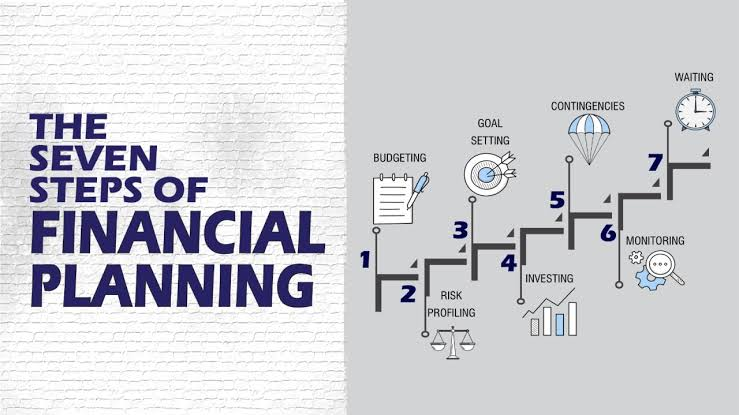
High-income professionals often face unique financial opportunities and responsibilities that require thoughtful planning. As income grows, so does the importance of structuring wealth in a way that supports long-term stability, strategic growth, and personal goals. Prioritizing key financial areas helps create a strong foundation that protects assets, maximizes earning potential, and prepares for future transitions. When these priorities are approached with clarity and intention, they support a more resilient and confident financial future.
Establishing a Strong Cash Flow Structure
A reliable cash flow system is essential for maintaining financial stability. Concepts like cash flow planning and liquidity management show how structured financial movement supports long-term goals.
High-income professionals benefit from understanding how money enters, moves through, and exits their financial ecosystem. This includes evaluating monthly expenses, identifying opportunities for increased savings, and ensuring that discretionary spending aligns with long-term priorities. Many individuals work with wealth management firms in Denver to refine these systems and create a balanced approach that supports both lifestyle and future planning. When cash flow is stable and intentional, it becomes easier to make decisions that strengthen financial security.
Building a Comprehensive Investment Strategy
Investing is one of the most powerful tools for long-term wealth building. Concepts like portfolio diversification and risk assessment highlight how strategic investing supports growth and resilience.
High-income professionals often have the ability to invest more aggressively or explore a wider range of opportunities. A comprehensive strategy considers risk tolerance, market conditions, time horizons, and personal financial goals. By balancing short-term liquidity with long-term growth, individuals can create a portfolio that supports stability while maximizing potential returns. Strategic investing helps ensure that wealth grows consistently and sustainably over time.
Prioritizing Tax Efficiency to Reduce Liability
Tax planning is a critical priority for high-income earners, who often face more complex tax obligations. Concepts like tax efficiency and deduction planning reinforce how thoughtful tax decisions influence financial outcomes.
Effective tax planning may include evaluating deductions, optimizing retirement contributions, exploring tax-advantaged accounts, and structuring investments to minimize liability. High-income professionals benefit from reviewing their tax strategy regularly to ensure it aligns with changing regulations and evolving financial goals. When tax efficiency becomes part of a broader wealth strategy, it helps preserve more income for future growth.
Strengthening Retirement Planning With Long-Term Structure
Retirement planning is essential for ensuring long-term financial independence. Concepts like retirement readiness and future income planning highlight how structured planning supports stability.
High-income professionals often have access to advanced retirement tools, including employer-sponsored plans, individual retirement accounts, and long-term investment vehicles. A strong retirement strategy considers desired lifestyle, expected expenses, and potential income sources. By planning early and adjusting regularly, individuals can build a retirement foundation that supports comfort and confidence.
Protecting Wealth Through Risk Management
Risk management plays a major role in safeguarding long-term financial health. Concepts like asset protection and financial resilience show how proactive planning reduces vulnerability.
High-income professionals must evaluate risks such as market fluctuations, liability exposure, unexpected expenses, and income changes. Insurance coverage, legal protections, and emergency savings all contribute to a more resilient financial structure. When risk management is integrated into a broader financial plan, it helps protect both current assets and future earning potential.
Planning for Major Life Transitions
Life transitions such as career changes, family growth, relocation, or business ventures can significantly impact financial priorities. Concepts like transition planning and future readiness highlight how preparation supports stability.
High-income professionals benefit from anticipating these transitions and adjusting their financial strategies accordingly. This may include increasing savings, restructuring investments, or revisiting long-term goals. When transitions are planned proactively, they become opportunities for growth rather than sources of financial stress.
Maintaining Ongoing Financial Review and Adjustment
Financial priorities evolve over time, making regular review essential. Concepts like financial adaptability and ongoing evaluation reinforce how consistent monitoring strengthens long-term success.
High-income professionals should revisit their financial plans periodically to ensure they remain aligned with current goals, market conditions, and personal circumstances. Adjustments may include updating investment strategies, refining budgets, or revisiting tax planning. Regular evaluation helps maintain momentum and ensures that financial decisions continue to support long-term stability.
Conclusion
High-income professionals strengthen their financial future by prioritizing cash flow structure, investment strategy, tax efficiency, retirement planning, risk management, transition preparation, and ongoing review. When these priorities are approached with clarity and intention, they create a foundation that supports long-term stability, growth, and confidence.