
Why Perfection Is Not the Path to Progress
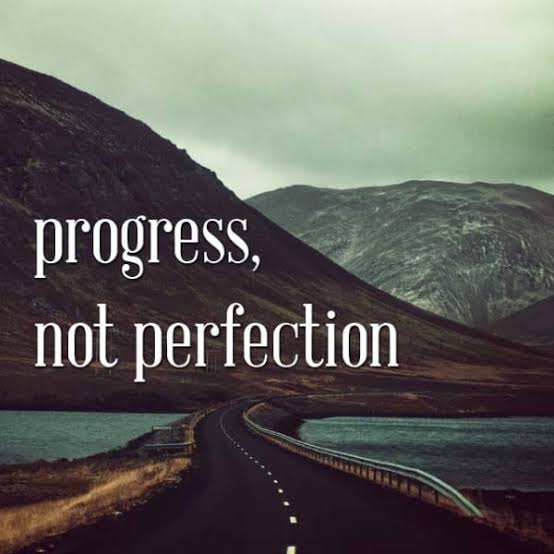
Perfection has a great publicist. It sounds disciplined, responsible, ambitious, and polished. Progress, by comparison, sounds a little messier. It suggests trial and error, unfinished drafts, awkward first steps, and a willingness to be seen learning in real time. Most of us are taught to admire the first and tolerate the second. That is exactly why perfection becomes such a quiet trap.
The problem is not caring about quality. Quality matters. Effort matters. Standards matter. The real issue begins when high standards stop being a guide and start becoming a gate. When that happens, people do not produce better work. They produce less of it. They hesitate, overthink, delay, and redo what was already good enough. In practical areas of life, including career decisions, health routines, and money management, that pattern can become expensive. Someone may avoid asking for help, putting off a budget, or exploring resources like Credit Counseling because they feel they need the perfect plan before they take the first step.
That is the strange truth about perfectionism. It often looks like commitment from the outside, but from the inside it can feel a lot like fear. Fear of making the wrong choice. Fear of being judged. Fear of discovering that your best effort still leaves room for improvement. When people wait to feel fully ready, fully informed, or fully certain, they often stay stuck far longer than they realize.
Perfection Is Often Just Procrastination in Better Clothing
We usually imagine procrastination as laziness, but that is not always what is happening. Sometimes procrastination is what shows up when the standard becomes so unrealistically high that starting feels risky. Research and clinical explanations have long connected perfectionism with self criticism, fear of failure, and delay, especially when perfectionism takes a more maladaptive form rather than a healthy desire to do well. The American Psychological Association defines perfectionism as demanding an extremely high or flawless level of performance, beyond what the situation requires, and notes links to anxiety and other mental health problems. The University of Michigan’s counseling guidance also points out that perfectionism commonly fuels procrastination. APA’s overview of perfectionism and the University of Michigan resource on coping with perfectionism both help explain why this cycle is so hard to break.
This matters because perfection driven procrastination is sneaky. It tells you that you are being careful. It tells you that one more hour of planning will make all the difference. It tells you that waiting is wise. But often, waiting is just avoidance with a polished explanation.
A person who wants the perfect resume may never apply.
A person who wants the perfect workout plan may never begin exercising.
A person who wants the perfect debt payoff strategy may never make the first call, list the first balance, or face the first statement.
The delay feels protective in the moment. Over time, it becomes costly.
The Hidden Cost Is Not Imperfect Work. It Is Lost Momentum
Progress depends on motion. Not constant motion, not frantic motion, but enough movement to create feedback. You try something, learn from it, adjust, and move again. Perfection interrupts that loop. It treats every action as if it must be final. But very few meaningful things in life are built that way.
Think about how people actually improve. Writers revise rough drafts. Athletes train through uneven performances. Savers build habits one transfer at a time. People recovering from financial stress usually do not wake up one day with flawless systems and perfect discipline. They improve by making a series of workable decisions, then refining them. The first budget is rarely elegant. The first repayment strategy may need revision. The first conversation about money may feel uncomfortable. None of that means the effort is failing. It means the effort is alive.
Momentum is underrated because it is not glamorous. It does not photograph well. It does not create the instant satisfaction that perfection promises. But momentum is what carries people through uncertainty. Once you begin, you gather information that thinking alone could never provide.
Why “Good Enough” Is More Responsible Than It Sounds
Some people hear “good enough” and assume it means careless. In reality, good enough is often the more mature standard. It means recognizing the difference between what truly requires precision and what simply requires progress.
If you are filing taxes, reviewing a contract, or making a medical decision, details deserve careful attention. But many everyday goals do not need flawless execution to create real improvement. A simple meal plan can be better than no plan. A basic savings habit can be better than waiting for the ideal account structure. A realistic debt strategy can be better than a complicated one you will never follow.
This is especially true with personal finances, where shame and perfectionism often team up. People may believe they should already know how to manage everything. They may think asking questions is embarrassing, or that getting support somehow proves failure. In reality, learning, adjusting, and seeking guidance are signs of engagement, not weakness.
Perfection says, “Do not begin until you can guarantee success.”
Progress says, “Begin, and let the next step become clearer.”
Only one of those approaches creates change.
Progress Builds Trust in Yourself
One overlooked reason perfection is so damaging is that it weakens self trust. If you only allow yourself to act under ideal conditions, you never learn that you can handle mistakes, adapt, and recover. You become dependent on certainty. And certainty is in short supply in real life.
Progress works differently. Every imperfect action becomes evidence that you can function without total control. You learn that a rough beginning does not doom the result. You learn that discomfort is survivable. You learn that course correction is normal.
That kind of self trust matters more than people think. It helps you apply for the job before you feel fully qualified. It helps you open the bill instead of avoiding it. It helps you start the conversation you have been rehearsing in your head for weeks. Most importantly, it shifts your identity. You stop seeing yourself as someone who must get everything right. You start seeing yourself as someone who can keep going.
A Better Question Than “Can I Do This Perfectly?”
Perfection asks the wrong question. It asks, “How can I avoid mistakes?” Progress asks, “What can I learn by moving forward?” That small shift changes everything.
When you stop chasing flawlessness, you make more room for reality. Reality is where growth actually happens. It is where people build resilience, develop skill, and make meaningful changes that last. It is also where confidence comes from. Not from doing everything perfectly, but from discovering that imperfect action still leads somewhere worthwhile.
So if you feel stuck, the answer may not be more pressure. It may be less. Lower the entry point. Make the task smaller. Choose the workable option instead of the ideal one. Let the first version be ordinary. Let the first conversation be awkward. Let the first attempt teach you what the second one needs.
Perfection promises protection, but usually delivers paralysis. Progress asks for humility, patience, and repetition, but it actually moves your life forward. In the end, that is what most people want anyway. Not a flawless performance, but a life that keeps opening instead of stalling.