Choosing the Right Law Firm After a Serious Construction Accident
A construction accident can change a person’s life in seconds. One moment, a worker is performing routine tasks. Next, they may be facing emergency surgery, months of rehabilitation, lost income, and uncertainty about returning to work. During this difficult time, many injured workers begin looking for experienced legal guidance after a construction accident to better understand their rights and the options available for financial recovery.
Construction remains one of the most dangerous industries in the United States. Workers regularly perform jobs at heights, operate heavy machinery, work around electrical systems, and handle hazardous materials. While safety rules are designed to reduce risks, serious accidents still happen every day. Understanding how construction injury claims work and choosing a law firm with relevant experience can make an important difference when dealing with medical bills, insurance companies, and legal claims.
Why Construction Accident Cases Are Often More Complex Than Other Injury Claims
Unlike many workplace accidents, construction site injuries frequently involve multiple businesses working together. A single project may include a general contractor, several subcontractors, equipment rental companies, suppliers, engineers, and property owners. Each party may have different responsibilities for maintaining a safe work environment.
When an accident occurs, identifying who contributed to the incident is not always straightforward. While workers’ compensation benefits may be available through an employer, another company or individual may also be legally responsible for unsafe conditions or negligent actions. Because of these overlapping responsibilities, construction accident claims often require a detailed investigation that goes beyond reviewing an accident report.
Understanding Workers’ Compensation and Third-Party Claims
Many injured workers believe workers’ compensation is their only option after a job-related injury. While workers’ compensation plays an important role, it is not always the only source of financial recovery.
Workers’ compensation generally provides benefits regardless of who caused the accident, provided the injury occurred during the course of employment. These benefits may include payment for medical treatment, partial wage replacement, rehabilitation services, and disability benefits depending on the severity of the injury.
However, construction sites often involve companies other than the injured worker’s employer. If another contractor, equipment manufacturer, supplier, or property owner contributed to the accident, a separate personal injury claim may also be available.
Unlike workers’ compensation, a third-party negligence claim may allow recovery for damages that extend beyond medical expenses and lost wages. Every case depends on its specific facts, making legal evaluation especially important.
What to Look for When Choosing a Construction Accident Law Firm
Not every personal injury law firm regularly handles construction accident cases. Construction litigation often involves technical evidence, workplace safety regulations, multiple insurance companies, and extensive documentation.
An experienced legal team should understand how construction projects operate and know where to look for evidence that explains why the accident happened.
Equally important is communication. Injured workers should understand who is handling their case, what information is needed, and what to expect throughout the legal process. Clear communication helps reduce confusion during an already stressful period.
Experience Matters in Workplace Injury Cases
Construction injury claims require knowledge of both workplace injury laws and negligence claims involving outside parties. For example, proving eligibility for workers’ compensation is different from proving negligence against another company. A legal team must understand how these claims interact without overlooking important opportunities for recovery.
Experience investigating construction sites can also help identify whether unsafe equipment, inadequate supervision, defective machinery, missing safety protections, or poor maintenance contributed to the accident.
Early Investigation Can Protect Important Evidence
Construction sites change quickly. Equipment is moved, temporary structures are dismantled, and work crews continue progressing through the project. Evidence available immediately after an accident may disappear within days.
This is why early investigation is often critical. Photographs, surveillance footage, witness statements, inspection reports, equipment maintenance records, work schedules, safety meeting logs, and contractor agreements can all help explain what occurred. Preserving this information early may strengthen an injured worker’s ability to establish responsibility later.
Medical Records Help Show the Full Impact of an Injury
Medical evidence plays a central role in nearly every construction accident claim. Emergency room records, surgical reports, physician notes, imaging studies, rehabilitation records, and physical therapy documentation all help demonstrate the seriousness of an injury.
These records also document recovery time, physical limitations, and whether permanent restrictions prevent a worker from returning to the same occupation.
Construction jobs often require climbing ladders, lifting heavy materials, operating machinery, or standing for extended periods. Even after treatment, many injured workers cannot safely perform these duties.
Common Hazards on Construction Sites
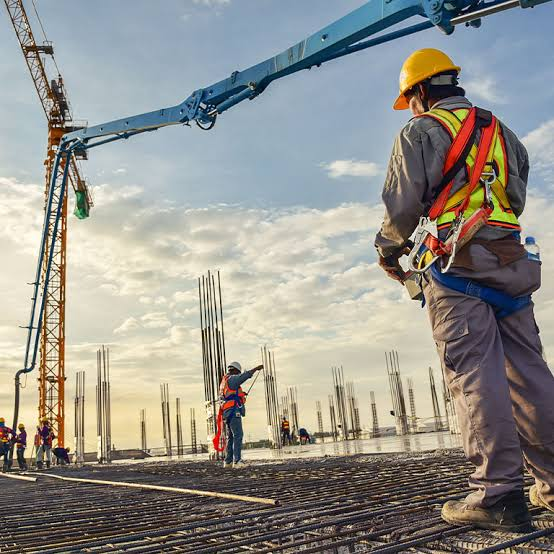
Construction workers encounter dangers that most occupations never experience. Falls remain one of the leading causes of serious injuries and fatalities. Workers frequently perform tasks on scaffolding, ladders, roofs, aerial lifts, and unfinished structures where even a single mistake can lead to life-changing injuries.
Heavy equipment also creates significant risks. Cranes, excavators, forklifts, loaders, dump trucks, and other machinery operate in close proximity to workers throughout the day. Limited visibility, communication failures, equipment malfunctions, or operator error can cause devastating struck-by or crushing accidents.
Electrical hazards present another serious concern. Contact with energized power lines, exposed wiring, or improperly maintained equipment can result in severe burns, permanent disabilities, or fatal injuries.
The Occupational Safety and Health Administration provides extensive construction safety standards that explain common workplace hazards and employer safety requirements, helping both workers and employers better understand injury prevention.
Construction Injuries Often Have Long-Term Financial Consequences
The financial impact of a serious construction accident usually extends well beyond emergency medical care. Many injured workers require multiple surgeries, prescription medications, rehabilitation, physical therapy, mobility devices, or long-term treatment. During recovery, they may be unable to earn the same income they relied upon before the accident.
Some workers recover fully and return to their previous jobs. Others experience permanent physical limitations that prevent them from continuing physically demanding careers.
A carpenter with a severe back injury may no longer be able to lift building materials. An equipment operator with vision problems may be unable to safely operate machinery. An electrician with nerve damage may lose the dexterity needed for detailed work. These long-term limitations can affect earning capacity for many years.
Understanding the Value of a Construction Injury Claim
Every construction accident is different, and there is no standard settlement amount. The value of a claim depends on several factors, including the severity of the injury, medical expenses, future treatment needs, lost income, reduced earning capacity, and whether another party shares legal responsibility for the accident.
When a third-party negligence claim is available, compensation may include losses not typically covered through workers’ compensation, such as pain and suffering or future economic damages.
Evaluating these issues requires careful review of medical evidence, accident reports, witness testimony, and the responsibilities of everyone involved on the project.
Questions to Ask Before Hiring a Law Firm
Meeting with a lawyer gives injured workers an opportunity to understand how their case may be handled. A good conversation should cover how the accident will be investigated, what evidence may be needed, whether additional responsible parties could exist, and how communication will be handled throughout the case.
Workers should also ask who will be their primary contact and how often they can expect updates. Clear, honest communication is one of the strongest indicators of quality legal representation. While no attorney can promise a specific outcome, they should be able to explain the legal process in language that is easy to understand.
Making an Informed Decision After a Serious Construction Injury
Recovering from a serious construction accident is rarely simple. Physical recovery, financial pressure, insurance issues, and legal questions often arrive at the same time.
Choosing a law firm should involve more than selecting the first name that appears online. Workers should look for attorneys who understand complex construction accident investigations, recognize the differences between workers’ compensation and third-party claims, and know how to build a case supported by strong evidence.
A careful legal review can help identify all available sources of compensation while protecting the injured worker’s long-term interests. With the right guidance, workers and their families can make informed decisions during one of the most challenging periods of their lives.