What Do Criminal Lawyers Do and When Should You Contact One?
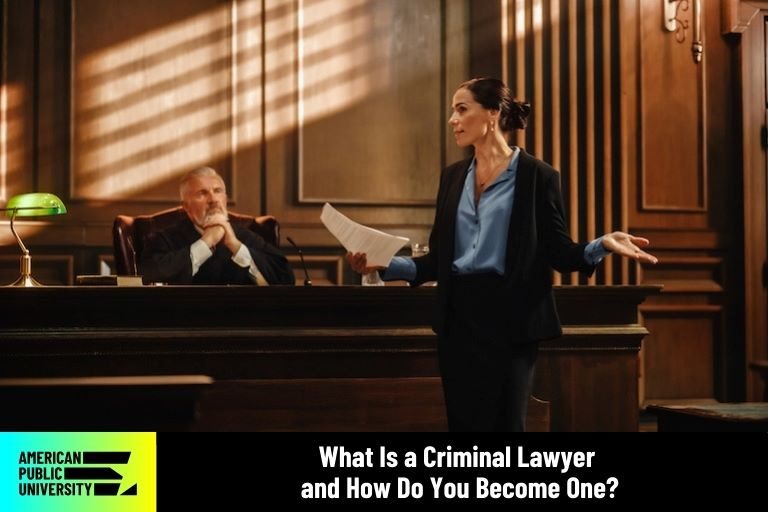

If you’ve ever wondered how criminal charges work in Victoria, the answer sits across a handful of key statutes. The Crimes Act 1958 (Vic.) defines most offences. The Criminal Procedure Act 2009 (Vic.) sets out how matters move through court. And the Evidence Act 2008 (Vic.) governs what can and can’t be used against you. It’s a system built over decades, and it treats summary matters in the magistrates’ court very differently from indictable charges before a judge and jury.
That said, knowing the basics and navigating the system are two different things. If you’re facing a police interview, a charge sheet, or a summons, speak to criminal lawyers before you do anything else. They’ll tell you what your rights are and what not to say. Early advice shapes everything that follows.
Your Right to Silence Actually Matters
Here’s something most people don’t think about until it’s too late. What you tell police during an interview, even an informal one, can end up as evidence in court. Victoria Police might call it a chat, but there’s nothing casual about it. A criminal lawyer sits with you and makes sure you don’t accidentally give up your right to silence. It doesn’t matter whether you’ve been formally arrested or just asked to come in. That right applies either way, and once you’ve waived it, you can’t take it back.
Getting Out on Bail
Bail in Victoria isn’t straightforward. The Bail Act 1977 (Vic.) sets different tests depending on the charge. For some offences, you’ll need to “show cause” why detention isn’t justified. For others, the threshold is higher, requiring proof of “exceptional circumstances”. Your lawyer pulls together references, proposes conditions, and argues your case before a magistrate. Without that preparation, people stay locked up simply because they didn’t know how to present their application.
Picking Apart the Prosecution’s Case
Every criminal charge must be proven beyond a reasonable doubt. That’s a high bar, and it’s your lawyer’s job to test whether the prosecution can clear it. They’ll go through the police brief page by page, checking witness statements, body-worn camera footage, and interview transcripts. Sometimes the evidence isn’t there. Other times, the way police gathered it breaks the rules. Good defence work starts with that kind of sceptical review.
Negotiating Before Trial
Going to trial isn’t always the smartest move. Under the Sentencing Act 1991 (Vic.), there’s room to negotiate. Charges might be withdrawn or downgraded. A magistrate might offer a sentence indication so you know what you’re facing before entering a plea. For first-time or minor offences, Section 59 of the Criminal Procedure Act 2009 (Vic.) opens the door to the Criminal Justice Diversion Programme. Complete the conditions, maybe write an apology or make a donation, and you walk away without a criminal record.
When Timing Becomes Critical
Don’t wait for things to escalate. These are the moments where you need a criminal lawyer involved:
- Police request an interview. Whether they call it voluntary or formal, that’s your signal. Don’t go alone.
- You’re placed under arrest. Victorian law requires officers to let you contact a lawyer before questioning continues.
- A charge sheet or summons arrives. A lawyer needs to review it well before your first mention hearing.
- You’re served with an intervention order. Breaching one is a criminal offence, so get advice on how to respond.
- You’re about to enter a plea. Guilty or not guilty, that decision carries consequences a lawyer can help you weigh up.
Finding Representation if Money’s Tight
Not everyone can afford private counsel, and Victoria accounts for that. Several pathways can help:
- Victoria Legal Aid (VLA) offers grants for matters where imprisonment is a real possibility. Their court guidance pages walk you through what to expect at each hearing.
- Duty lawyers are on hand at magistrates’ courts for urgent matters and can represent you on the day.
- Community Legal Centres provide free, local help to disadvantaged Victorians across the state.
These pathways exist so that financial hardship doesn’t strip away your right to a proper defence.
Wrapping Up
Criminal lawyers in Victoria do the work that sits between you and the full weight of the state’s prosecution. They protect your silence, argue your bail, challenge weak evidence, and negotiate outcomes that can reshape a case. The earlier you get one involved, the better your options. That’s not a sales pitch. It’s how the Victorian system works.