Exploring the Beauty and Craftsmanship of Tessellated Tiles
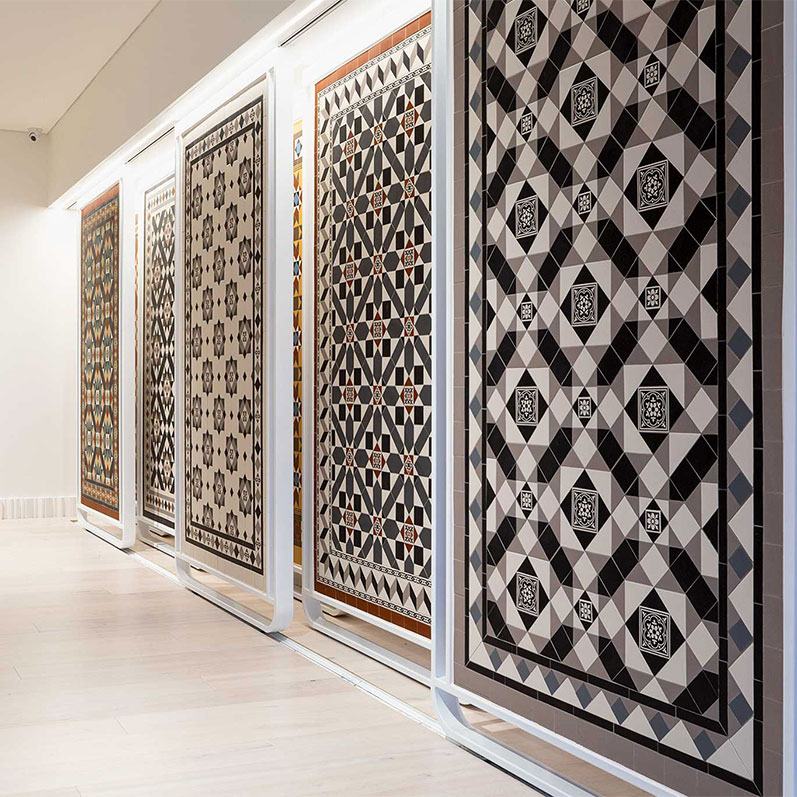
Tessellated tiles represent a timeless element of design, blending artistic patterns with precise craftsmanship to create visually captivating surfaces. These tiles have been utilised in architectural and interior designs for centuries, admired for their geometric patterns and ability to enhance both historic and contemporary spaces. Understanding the history, production, and application of tessellated tiles offers insight into their enduring appeal and functional beauty.
Historical Significance of Tessellated Tiles
The use of tessellated tiles dates back to ancient civilisations, where mosaic and tile work adorned floors and walls of important buildings and homes. Their characteristic interlocking shapes and repeated patterns serve both aesthetic and structural purposes. Over time, tessellated tiles evolved, influenced by cultural exchanges, technological advancements, and artistic trends, culminating in the intricate designs found in Victorian, Mooraish, and Islamic architecture.
Defining Tessellated Tiles
Tessellated tiles are decorative tiles arranged in repeating patterns without any gaps or overlaps, often forming complex geometric designs. This technique relies on mathematically derived shapes such as squares, triangles, and hexagons to create patterns that fit together seamlessly. The resulting mosaics not only provide a durable surface but also serve as artwork within architectural settings.
Materials and Manufacturing Processes
The production of tessellated tiles traditionally involves materials like ceramic, terracotta, and cement. The manufacturing process may vary depending on the material, but generally includes shaping, glazing or surface finishing, and firing or curing. High-quality tessellated tiles, especially those made from encaustic cement, require skilled craftsmanship to ensure the precise arrangement of colours and patterns, preserving the clarity of designs.
The Craftsmanship Behind Tessellated Tiles
Expertise in tile making is essential to achieve the intricate and exact designs characteristic of tessellated tiles. Artisans combine traditional handcrafting techniques with modern technology to produce tiles that meet both aesthetic and structural standards. The careful alignment and colour blending in such tiles demonstrate exceptional attention to detail and dedication to the craft.
Design Variations and Patterns
The appeal of tessellated tiles lies largely in their diverse pattern options. From simple repetitive motifs to elaborate symmetrical designs, these tiles allow for creative expression in architectural finishes. Popular types include star motifs, floral-inspired patterns, and interlocking geometric shapes. The selection of patterns can complement period homes or enhance contemporary environments, providing versatility in design.
Applications in Modern Interiors and Architecture
Tessellated tiles are commonly used in flooring, wall cladding, and decorative features within homes, commercial spaces, and public buildings. Their durability makes them suitable for high-traffic areas, while the decorative aspect enhances aesthetic value. Many modern interior designers incorporate tessellated tiles to introduce texture and pattern, creating focal points or subtle background embellishments.
Restoration and Preservation
In historic building restorations, tessellated tiles are often restored or replicated to maintain architectural authenticity. Skilled conservators assess original patterns and materials, employing traditional methods to replicate or repair sections without compromising the building’s character. This process highlights the importance of understanding the historical context and manufacturing techniques behind tessellated tiles.
Benefits of Using Tessellated Tiles
Besides their visual appeal, tessellated tiles offer practical advantages. They are robust, easy to clean, and resistant to wear, making them suitable for both residential and commercial use. Their patterns can also help disguise dirt and imperfections, reducing maintenance concerns. Additionally, the bespoke nature of tessellated tiles allows for customised design solutions fitted to the specific requirements of a space.
Choosing Tessellated Tiles for Your Project
Selecting the right tessellated tiles involves considering several factors such as pattern complexity, colour schemes, material properties, and compatibility with the environment where they will be installed. Experts recommend consulting with tile specialists or manufacturers who provide tessellated tiles to ensure quality and authenticity.
Environmental Considerations
The environmental impact of tile production is increasingly monitored, with many manufacturers adopting sustainable practices. Cement-based tessellated tiles, when produced responsibly, can be an eco-friendly option due to their durability and longevity, reducing the need for frequent replacement. Some factories have incorporated energy-efficient kilns and recycled materials in the manufacturing process to minimize environmental footprints.
Caring for Tessellated Tiles
Maintaining tessellated tiles requires appropriate cleaning techniques to preserve their surface and patterns. Regular sweeping and damp mopping with mild, pH-neutral cleaners are recommended. Harsh chemicals should be avoided as they may damage the glaze or cement surface. Sealants may also be applied to enhance stain resistance and ease maintenance.
Contemporary Trends in Tessellated Tiles
Design trends have seen a resurgence in the use of tessellated tiles, drawing on their classic appeal while incorporating modern colour palettes and finishes. Designers use these tiles to create striking entrances, kitchen splashbacks, or bathroom floors, blending heritage aesthetics with contemporary interiors. Customised patterns and bespoke colours further expand the possibilities for personalised design statements.
Where to Source Quality Tessellated Tiles
For those seeking authentic and high-quality tessellated tiles, specialist suppliers offer a wide range of styles and custom options. These suppliers focus on traditional manufacture techniques combined with modern quality control. A reliable source ensures customers receive products that faithfully reflect the craftsmanship and design values of tessellated tiles, suitable for both new build and restoration projects.
Conclusion
Tessellated tiles encompass a rich tradition of craftsmanship and design, providing a durable and visually compelling option for a variety of architectural applications. Their geometric precision, diverse patterns, and practical benefits contribute to their ongoing popularity. Engaging with expert manufacturers and understanding the history and qualities of tessellated tiles allows architects, designers, and homeowners to incorporate these timeless elements effectively into their spaces.