The First 3 Calls to Make After a Car Accident in Colorado
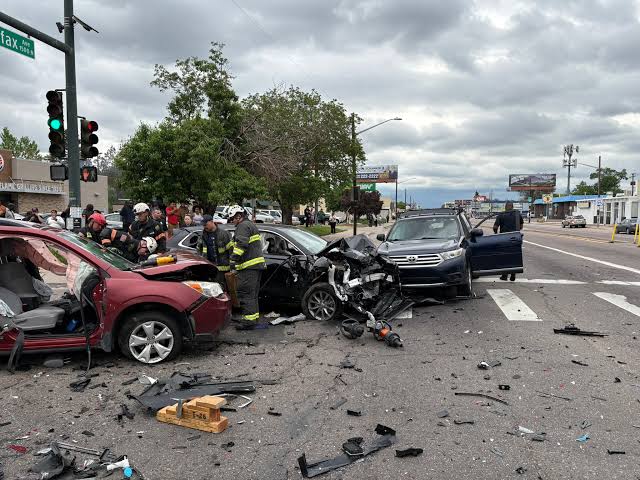
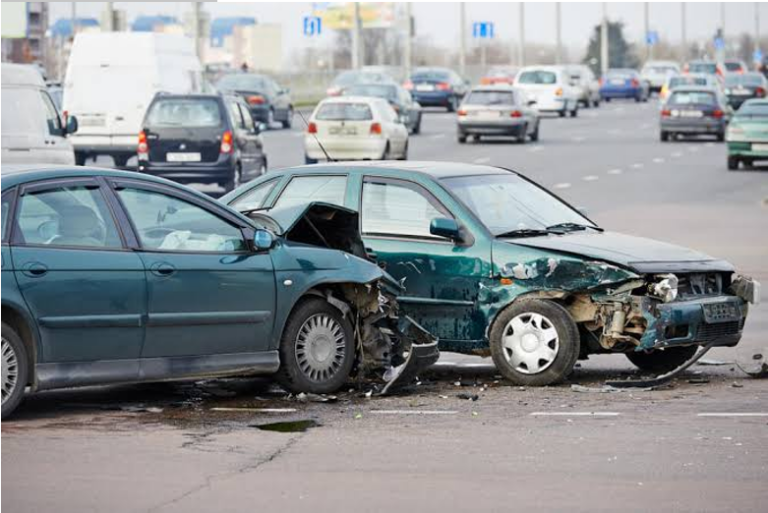
Glass is still settling on the pavement, your heart is pounding, and the other driver is walking toward you. In the next few minutes, you will make decisions that shape your health, your insurance claim, and your legal rights for months to come.
Crashes are common, and the injuries are rarely minor. In one recent year, about 4.9 million people needed medical care for motor-vehicle injuries. Most survivors walk away unsure of the one thing that matters most right now: who to call first.
Knowing what to do after a car accident protects you when you are least able to think clearly. This guide walks through the three calls that matter most, in the order a Colorado car accident lawyer would recommend making them.
In this post:
- Which call to make first, and when 911 is required
- What to tell your insurance company, and what to avoid
- When calling a lawyer protects your claim
- The mistakes that quietly weaken your case
- Why seeing your doctor is always advisable
What to Do Immediately After a Car Accident
Knowing what to do after a car accident starts with the seconds right after impact, before any phone call. Your safety comes first, then the evidence that protects your claim.
Work through these steps at the scene when you are able:
- Prioritize safety. Move to a safe spot off the road and turn on your hazard lights.
- Check for injuries. Look at yourself and your passengers before anything else.
- Call 911 if anyone is hurt or the crash blocks traffic.
- Photograph everything. Capture vehicle damage, the accident scene, road conditions, and license plates from multiple angles.
- Exchange information with the other driver, but avoid discussing fault.
- Gather witness details. Names and phone numbers matter later.
- Seek medical attention even if you feel fine, since injuries surface hours or days after a car accident.
Do not wait to document the scene. Evidence disappears fast, and knowing what to do after a car accident, right down to the photos you take, often decides how smoothly your claim moves.
Call #1 — Call the Police After a Car Crash
Calling the police after a car crash creates the official record your claim depends on. Responding officers document the scene, note conditions, and file an accident report that carries real weight with an insurance company.
When You Must Call 911
In Colorado, some crashes legally require a police response, and others simply make one smart. Call 911 right away when any of these apply:
- Injuries or fatalities. Anyone hurt means emergency services need to come.
- A blocked or unsafe roadway. Immediate danger to other drivers calls for help.
- A drunk or impaired driver. Report suspected impairment on the spot.
- A hit-and-run. Get the police involved before the other driver disappears.
Even a minor accident is worth a call when you are unsure. The stakes are real, since 39,254 people died in crashes in one recent year, and officers help keep a bad scene from getting worse.
Why a Police Report Matters for Your Claim
The accident report is often the first document an insurance adjuster requests. It records the parties involved, the vehicle damage, and the responding officers’ observations, which helps determine fault.
Ask for the report number before you leave the scene. That single detail makes it far easier to file a claim and to preserve evidence while the details are fresh.
Call #2 — Notify the Insurance Companies
Notifying the insurance companies quickly protects your claim, since most policies require prompt reporting after a crash. Report the accident within a day or two, stick to the facts, and give only the basic details of what happened.
What to Tell Your Insurance Provider
Your own insurance provider needs the essential facts to open your claim. Share the date, location, the other driver’s insurance information, and a plain description of the crash.
- Do give the date, time, and place of the accident.
- Do provide the other driver’s name and insurance information.
- Do not speculate about fault or guess at the extent of your injuries.
- Do not agree to a recorded statement before you understand your rights.
Dealing With the Other Driver’s Insurance Company
The other driver’s insurance company will likely call, and its goal is to limit what it pays. Be polite, but do not give a recorded statement or accept any early settlement offer.
Keep the conversation short and route the hard questions to your own insurer or a lawyer. Anything you say to the other party’s adjuster may be used to reduce your payout.
Call #3 — Call a Colorado Car Accident Lawyer
The third call protects everything the first two set in motion. Bring in a Colorado car accident lawyer before the insurance company locks in a low settlement amount. They preserve the evidence, deal with the adjuster, and push for the full value of your claim.
A lawyer also does the work you should not have to manage while injured. They investigate the crash, gather medical records, calculate the full value of your damages, and negotiate the settlement, filing a personal injury lawsuit if the insurer refuses to deal fairly.
When a Lawyer Strengthens Your Car Accident Claim
Some situations make legal help close to essential for a car accident claim. Serious injuries, disputed liability, and a commercial truck accident each raise the stakes and the complexity beyond what most people should handle alone.
The same holds when an uninsured motorist hits you, when a crash causes a permanent disability, or when a wrongful death leaves a family facing a claim during grief. In each of these, a lawyer protects the compensation you are genuinely owed.
Mistakes That Hurt Your Insurance Claim
Once the calls are made, a few avoidable missteps may quietly shrink your insurance claim. Steer clear of these:
- Admitting fault, even a casual “I’m sorry,” which an adjuster may use against you.
- Delaying medical treatment, which lets an insurer argue you were not really hurt.
- Guessing about injuries, when soft tissue injuries often surface days later.
- Giving a recorded statement to the other driver’s insurer before you talk to a lawyer.
- Posting on social media, since one photo of the crash may be twisted to dispute your claim.
- Repairing your vehicle before you document the full extent of the damage.
Each one protects the same thing: the strength of your claim, and how hard it is for an insurer to reduce what you are owed.
Same keyword coverage as before (insurance claim, admit fault, soft tissue injuries, medical treatment, vehicle damage), just leaner. From here, the rest goes to prose as we discussed.
How to Exchange Information and Not Admit Fault
Exchange information with the other driver, but keep it to the facts. Get their name, phone number, driver’s license number, license plate, and insurance details, and hand over the same, nothing more. A calm, factual exchange is all Colorado law asks of you.
The harder part is what not to say. Do not admit fault, apologize, or speculate about how the crash happened, since fault is determined later by evidence, not by a rattled comment at the scene. Even a well-meant “that was my fault” may follow you into the claim.
When Should You Call a Lawyer After a Car Accident?
The short answer is early, ideally right after you get medical care. The sooner a lawyer sees your case, the more evidence they will preserve and the fewer chances the insurance company has to steer you into a low settlement.
A few moments make the call especially urgent. Reach out before you accept any settlement, before you give a detailed recorded statement, and the instant the insurance company refuses or delays your claim.
When Should You Call a Lawyer After a Car Accident?
The short answer is early, ideally right after you get medical care. The sooner a lawyer sees your case, the more evidence they will preserve and the fewer chances the insurance company has to steer you into a low settlement.
A few moments make the call urgent. Reach out before you accept a settlement or give a recorded statement. Call the instant the insurance company refuses your claim, since contested fault or serious injuries put the value of your injury claim at risk.
Other Important Calls You May Need to Make
Beyond the big three, a few other calls help in the hours after a crash. Call your employer if injuries will keep you from work, a family member for a ride or support, and your doctor to set up follow-up medical treatment.
If your vehicle is not drivable, a local tow truck will move it to a safe location rather than leaving it exposed at the scene.
How to File a Claim and Strengthen Your Case
To file a claim, contact your insurer with the accident report, the other driver’s insurance information, and your medical records. The cleaner your documentation, the faster the insurance claim moves and the harder it is to dispute.
Everything you did at the scene pays off here. Knowing what to do after a car accident means those photos, the police report, and prompt care preserve evidence, tie your medical bills and lost wages to the crash, and build a personal injury claim that holds up if the insurer pushes back.
Frequently Asked Questions
Who Should You Call First After a Car Accident?
Call 911 first if anyone is hurt or the road is blocked. Once you are safe, contact your insurance company, then speak with a car accident lawyer before giving any recorded statement. This order helps protect both your health and your legal claim.
Do You Need a Police Report for a Colorado Insurance Claim?
A police report is highly beneficial because it documents the facts of the crash, identifies the parties involved, and may include information about fault. This evidence can make your insurance claim easier to support and more difficult for an insurer to dispute. Be sure to ask the responding officers for the report number before leaving the scene.
Should You Call Your Insurance Company Immediately After an Accident?
Yes. Report the accident to your insurance company within a day or two. Provide only the basic facts and avoid speculating about fault or the extent of your injuries until you have spoken with a lawyer. Prompt reporting also helps you meet the notice requirements in most Colorado insurance policies.
When Should You Call a Lawyer After a Car Accident?
Contact a lawyer as soon as possible after receiving medical care. Early legal guidance is especially important if fault is disputed, injuries are serious, or the insurance company delays or denies your claim. Acting quickly also helps preserve valuable evidence.
What Happens If You Don’t Report the Accident to Your Insurance Company?
Failing to report an accident promptly may put your insurance coverage at risk. Most Colorado policies require timely notice, and a delayed report could give the insurer grounds to reduce or deny your claim. If reporting is delayed, a police report and dated photographs can help support your case.
Are You Still Owed Compensation If You Were Partly at Fault in Colorado?
In many cases, yes. Colorado follows a modified comparative negligence rule, allowing you to recover compensation if you are less than 50 percent responsible for the accident. However, your recovery is reduced by your percentage of fault, making accurate evidence and documentation especially important.
Why a Colorado Car Accident Lawyer Makes the Difference
After a crash, insurance companies move fast to settle low, before you know what your claim is worth. A Colorado car accident lawyer levels that playing field and turns the evidence you gathered into leverage.
The right advocate handles what you should not have to manage while hurt:
- Investigates the crash, consolidating the police report, photos, and witness accounts into a single record.
- Deals with insurance companies, so nothing you say gets used against you to cut your payout.
- Values the full claim, counting medical bills, lost wages, and future care, not just today’s costs.
- Negotiates for fair compensation and files a lawsuit if the insurer refuses to deal.
That groundwork is what protects injury victims from settling for less than they are owed. It shifts the focus from the insurer’s number to your actual recovery.
Protect Your Health and Your Claim After a Crash
The minutes after a crash are overwhelming, but a few clear steps carry you through. Knowing what to do after a car accident, calling the police, notifying your insurer, and reaching a lawyer, protects both your health and your claim. Move quickly, stay factual, and let the evidence speak for you.
An experienced Colorado car accident attorney handles the insurance companies, preserves the evidence, and fights for the full value of your claim while you focus on recovery. The right legal team understands how Colorado crashes and Colorado insurers work, and puts that experience to work for you.
If you are facing a serious injury, a disputed claim, or a stubborn insurer, speaking with a car accident lawyer as early as possible protects your rights and your future. Most Colorado car accident attorneys offer free consultations and work on a contingency basis, meaning you pay nothing unless they recover compensation for you.