How Overcrowded Emergency Rooms Contribute to Diagnostic Errors
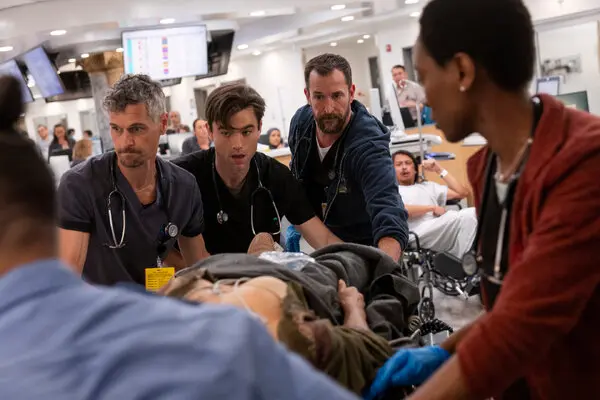
Emergency departments are built for urgency, but crowding can weaken even strong clinical systems. Nurses, physicians, and technicians must sort pain, fever, trauma, confusion, and breathing trouble in real time. Each delay can alter vital signs, obscure symptoms, or interrupt the review. Diagnostic mistakes often begin there, inside a strained workflow, before any one person makes a clear mistake.
Crowding Changes First Impressions
First impressions in a packed department often form before enough information exists. Chest pressure may overlap with anxiety, infection, reflux, or heart disease. Severe abdominal pain can mask bleeding, obstruction, or a surgical emergency. In that setting, overcrowded emergency room diagnostic errors become more likely because limited beds, delayed tests, and hurried reassessment narrow clinical judgment.
Triage Can Miss Quiet Danger
Triage depends on quick pattern recognition, but quiet danger rarely announces itself. A stroke may start as a mild imbalance. Sepsis can begin with vague weakness. Internal bleeding might present as dizziness before pressure drops. During surges, early labels can become sticky, and later clinicians may inherit an incomplete risk picture.
Waiting Alters Symptoms
Time changes disease behavior. Medication may reduce pain, fever may fall, and confusion may briefly improve. Those shifts can make a serious condition seem less urgent. A crowded department may compare later findings with old notes rather than with the patient’s current state. That lost clinical moment can matter.
Communication Breaks Down
Crowding multiplies handoffs. Nurses, physicians, technicians, consultants, and transport staff may each hold one part of the story. A family report about a new weakness may not reach the ordering clinician. A pending scan result may return after a shift change. Missed details can stack until the diagnosis points in the wrong direction.
Test Delays Create Risk
Imaging, blood work, and specialist review often slow down during periods of high volume. A delayed scan may postpone clot treatment. Late laboratory values can hide infection, kidney injury, or blood loss. Discharging before every result is reviewed can appear reasonable, yet still leave a dangerous condition untreated.
Overloaded Clinicians Think Differently
Cognitive load changes judgment. Under pressure, clinicians may anchor on the first explanation that fits. That shortcut can help with routine cases, but it can harm patients with atypical symptoms. Indigestion may conceal heart disease. Back pain may reflect infection. Fatigue can make reassessment less thorough.
Records May Become Thin
Medical records guide the next decision. In crowded departments, notes may lose detail because staff must move quickly. Missing medication history, abnormal gait, slurred speech, or symptom timing can weaken later evaluation. Thin documentation also makes follow-up harder, especially after harm has already occurred.
High-Risk Groups Face More Exposure
Older adults, children, disabled patients, and people with limited English often need extra time. Crowding removes that margin. Pain may be difficult to describe. Confusion may be mistaken for baseline behavior. Family input can be shortened during rush periods, even though it may contain the most important clinical clue.
Discharge Decisions Get Pressured
Bed shortages can push decisions before uncertainty is resolved. Discharge is appropriate after a complete evaluation and clear instructions. Risk rises when symptoms remain unexplained or when follow-up is vague. Return precautions should name warning signs, expected changes, and timing. Precise guidance helps patients act before deterioration becomes severe.
Better Systems Reduce Errors
Hospitals can reduce risk through better staffing plans, repeat vital-sign checks, result tracking, and structured handoffs. Alerts can flag abnormal tests before discharge. Observation areas can give uncertain cases more time. Technology helps, but it cannot replace clinical reassessment, careful listening, and a willingness to question an early impression.
What Patients Can Do
Patients and families can help by giving a clear timeline. Recent injuries, medicines, allergies, prior diagnoses, and sudden changes should be stated early. Written lists reduce memory strain during intake. Before leaving, it is reasonable to ask whether the results are complete. Those steps keep key facts visible.
Conclusion
Overcrowded emergency rooms raise diagnostic risk by stretching time, space, attention, and communication. The problem is systemic, but the effects are personal. A missed infection, stroke, heart attack, or internal bleed can change a life quickly. Stronger hospital processes matter, and clear patient information matters too. When both improve, serious illness is more likely to be recognized before harm worsens.