After a Serious Accident: Injury Claims, Recovery, and Disability Benefits
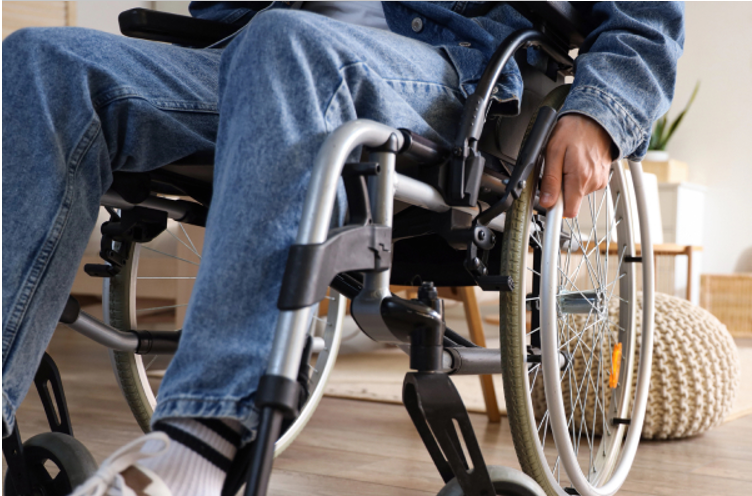
A serious accident can change everything in an instant. Beyond the immediate pain and medical care, there is the longer road of recovery: physical therapy, missed work, mounting bills, and the unsettling question of whether life will return to normal. For some people it does. For others, the injuries are lasting, and the path forward involves not just an injury claim but also the separate question of long-term disability benefits. Understanding how these pieces fit together helps injured people and their families plan instead of simply reacting.
This article offers general information rather than legal advice, but it maps out the main routes available after a serious accident in Northwest Florida.
The first phase: stabilizing your health and your claim
In the days after a major crash or injury, two priorities run in parallel: getting the right medical treatment and protecting your ability to recover compensation. They reinforce each other. Consistent medical care creates documentation that proves how serious your injuries are, while careful early steps keep an insurer from undermining your claim before it begins.
That means following your treatment plan, attending every appointment, and keeping a clear record of your symptoms and limitations. It also means being cautious with insurance adjusters, who often call early, sound sympathetic, and request a recorded statement or float a quick settlement before the full extent of an injury is known. When the stakes are high and the injuries are significant, many people bring in a fort walton beach accident lawyer to handle communications and preserve evidence while they focus on healing. The earlier that structure is in place, the harder it is for an insurer to chip away at the claim.
Accident claims that lead to lasting injuries
Some accidents cause harm that resolves with time. Others particularly high-energy collisions leave injuries that reshape a person’s daily life. Motorcycle crashes are a clear example. Without the protection of a vehicle’s frame, riders are exposed to the full force of impact, and the result is a higher rate of severe outcomes: spinal injuries, traumatic brain injuries, and complex fractures that may require multiple surgeries.
These cases demand thorough proof. Beyond the immediate medical records, they often rely on documentation of future treatment needs, lost earning capacity, and the long-term effect on quality of life. Riders also face the added hurdle of bias, since some adjusters assume a motorcyclist must have been at fault. Searching for a motorcycle accident lawyer near me is often how injured riders in the Pensacola area find someone who can counter those assumptions with evidence and build a claim that accounts for the full arc of recovery, not just the first hospital visit.
When injuries are permanent or long-lasting, the value of a claim shifts dramatically. A fracture that heals in six weeks is a very different case from one that ends a career or requires lifelong care. Capturing that difference accurately is one of the most important and most overlooked parts of a serious injury claim.
When injuries prevent you from working: disability benefits
For some accident victims, the injuries are severe enough that returning to work is no longer possible, at least for an extended period. This is where a separate system comes into play: Social Security Disability. It is important to understand that this is a federal program, entirely distinct from an injury claim against an at-fault party. An injury claim seeks compensation for what someone else did; disability benefits provide income support when a medical condition keeps you from working, regardless of who was responsible.
The two can overlap in a single person’s life, but they follow different rules, different agencies, and different proof standards. Social Security Disability requires showing that your condition is severe, expected to last at least a year or result in death, and prevents you from engaging in substantial work. The application process is notoriously demanding, and a large share of initial claims are denied, often for paperwork and evidence reasons rather than the underlying merits. Because the medical documentation that supports an injury claim can also support a disability application, people sometimes coordinate both efforts so they reinforce rather than undercut each other. Seeking legal guidance during this process can help ensure that documentation is complete, deadlines are met, and both claims remain consistent. You can learn more through disability lawyers Pensacola families turn to when an injury becomes a long-term inability to work. The key is consistency: the same honest description of what you can and cannot do should appear in your medical records, your injury claim, and your disability file, because any contradiction between them gives both an insurer and a disability examiner a reason to doubt the rest.
How injury claims and disability benefits interact
Because these systems are separate, mistakes in one can affect the other. Statements made to a disability examiner about your limitations should be consistent with what you tell an injury insurer, and vice versa. A settlement in an injury case can sometimes affect certain benefits, and the timing of each process matters. None of this means you should avoid pursuing both; it means the two should be handled with an eye on each other.
The practical takeaway is coordination. The medical evidence, the timeline of treatment, and the description of your limitations should tell a single, consistent story. When they do, both processes become stronger; when they conflict, both become harder.
Building a record that supports your future
Whether your case involves a single injury claim, a disability application, or both, the same foundation matters: documentation. Keep every medical record and bill. Note how your injuries affect work, sleep, mobility, and daily routines. Save correspondence with insurers and agencies. Follow through on prescribed treatment, because gaps in care are routinely used to argue that an injury was not as serious as claimed. This record is the single most important asset in any long-term recovery process.
It also helps to think beyond the present. The full cost of a serious injury often unfolds over months or years of additional surgeries, ongoing therapy, lost promotions, or the need to change careers entirely. A recovery strategy that only accounts for today’s bills risks leaving the most significant losses uncompensated. It is worth asking, early and honestly, what life looks like one year and five years out: whether you will be able to return to the same work, whether you will need ongoing care, and whether your household income will recover. Those questions are uncomfortable, but answering them shapes both how an injury claim is valued and whether a disability application is worth pursuing.
The bottom line
A serious accident can send a person down several paths at once: medical recovery, an injury claim against whoever caused the harm, and, when the injuries are lasting, a separate pursuit of disability benefits. These systems operate under different rules, but they share a common requirement: clear, consistent, well-documented evidence of what happened and how it affects your life. Prioritizing appropriate treatment and rehabilitation can support a rapid recovery, while also creating the medical documentation needed for any related legal or disability claims. By protecting your health, preserving that evidence, and understanding how the pieces connect, you give yourself the best chance of a full recovery in every sense of the word. When the injuries are severe and the future is uncertain, experienced guidance can keep these moving parts aligned toward the outcome you actually need.