What Are the First Steps After a Motorcycle Crash?

Motorcyclists are approximately 28 times more likely to die in a crash and 4 times more likely to be injured compared to passenger car occupants. This estimate shows over 6,200 motorcycle rider and passenger deaths annually. In fact, fatalities now stand at 6,228 across the United States.
Motorcycle accidents remain an important issue for safety. This is owed to the lesser level of protection provided by motorcycles than that offered by passenger vehicles. Due to the severity of injuries caused by such accidents, immediate steps must be taken to preserve evidence and bolster any legal actions in the future.
You may wonder what to do after you’ve been in a motorcycle accident where another vehicle is at fault. Let’s understand the proper process in case of any accident to ensure the safety and recovery of riders along with ensuring they can make claims for damages.
Get Off the Road, Then Stop and Assess
After a motorbike accident, going to a safe area should be your first priority. This way, you can avoid getting involved in a second accident. After reaching a safe place, dial 911 for help.
You should not believe that someone else has already made the call. You need to request both police and emergency medical services even though you currently feel fine.
Pain becomes difficult to detect because adrenaline works to block the sensation. Internal injuries and traumatic brain injuries and spinal damage all present minimal immediate symptoms.
Seek Medical Attention Before Anything Else
The current situation requires you to complete a medical evaluation, which must be done at the scene because you need to go to an emergency room or urgent care facility for treatment after paramedics clear you. The physical examination record created that day becomes part of your medical history and your legal file.
Motorcycle crash victims commonly present their injuries after a delay. The complete extent of soft tissue injuries, concussions, and internal trauma will become visible between 24 and 72 hours after the initial injury occurrence.
A documented medical visit on the day of the crash establishes a direct timeline between the accident and your injuries. The absence of this evidence to support your claim allows insurers to present alternative explanations for the damage you experienced.
The National Highway Traffic Safety Administration consistently identifies head and spinal injuries as the leading causes of serious harm in motorcycle crashes. Helmets provide a 37% reduction in fatal head injury risk, although they still leave some danger of head injury. Your appearance should not affect whether you need to get checked.
Document the Scene While You Can
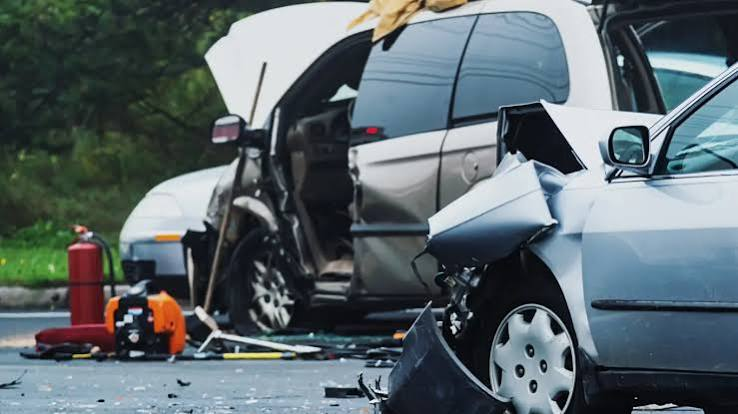
Evidence of physical objects disappears from the surroundings at a fast pace. As per https://www.millerandrosnick.com/, you should take detailed photos of the accident site, your motorcycle, any vehicle involved, road conditions, and visible injuries as skid marks disappear from the surface and workers remove all debris from the site.
Your window to capture the scene accurately is measured in minutes, not days.
If you are physically able, use your phone to photograph the following:
- The position of all vehicles involved, before anyone moves them
- Road conditions, signage, and any relevant traffic controls
- Your gear, including helmet damage and any torn or abraded clothing
- The visible injuries on your body
- The other driver’s license plate, insurance card, and license
If you cannot do these tasks yourself, ask a bystander. The police officers will create a scene report that includes their photographs, but their images will not show all necessary perspectives for your claim. Your documentation gives your attorney and insurer additional material to work with.
Collect Information from Everyone Involved
The drivers need to exchange their complete name and contact information and insurance details with each other. This should include their policy number, driver’s license number, and license plate number. The same process needs to be applied to all witnesses who came to the scene.
Don’t assume guilt and refrain from making an apology; else, you would sound like you are admitting responsibility for the incident. Don’t make any guesses about the events that transpired. Any statement you make at the scene will become evidence against you in the future. You should restrict your dialogues to police officers and medical staff by providing only necessary information.
Motorcycle accidents with multiple vehicles result in other drivers being found responsible for 60% of cases because they fail to yield or execute unsafe turns. The determination of fault does not happen automatically. Insurers will investigate the situation because your statements made at the accident site will become evidence during their evaluation.
File Your Insurance Claim Promptly
The best approach requires you to contact your insurance company on the same day and complete the contact within 24 hours. Prompt action is especially important when pursuing motor vehicle injury claims and recovery, as delays can make the claims process more difficult. All insurance policies require customers to give their claims notifications because failure to do so will make the claims process more difficult.
You need to provide your insurer with all the details, which include the accident date and location and description of events and information about the other person involved. You should wait to record your statement until you have consulted with your lawyer.
You must record every interaction with the insurance company by writing down all details about the conversation, which includes the time and date and name of the person you talked to. Insurers handle claims at scale. Your organized documentation will prevent any critical details from being lost during the processing.
Understand What Gets Lost When You Wait
The most important aspects of the previous steps require immediate execution because they serve medical purposes. The system overwrites all surveillance footage that traffic cameras and business cameras capture between 30 and 60 days after the initial recording.
Witnesses become harder to locate. The other driver purchases insurance, which starts to create their official record of what happened.
A motorcycle crash attorney can send spoliation letters, which require all pertinent evidence to be maintained. The process becomes more effective when it starts within the initial days after a crash instead of beginning several months later.
The statute of limitations for personal injury claims in most states allows two years from the crash date, but the actual evidence retention window for strong evidence is much shorter.
The Decisions You Make Right After the Crash Stay With the Case
Data regarding motorcycle accidents show a pattern of causing more severe injuries than other types of accidents. The medical and legal results differ greatly between riders who received medical treatment right after their accident and those who did not seek care.
Move to safety. Call 911. Accept a medical evaluation. Document everything you can. Collect information before leaving the scene. Notify your insurer the same day. Each of those steps closes a gap that an insurer or opposing attorney would otherwise use.
The Centers for Disease Control and Prevention reports that motorcycle accidents result in the highest medical expenses per crash compared to all other types of roadway accidents.
Insurance disputes regarding claims of this magnitude occur frequently and typically take an extended period to resolve. The record you build on the day of the crash is the foundation everything else rests on.
read more : How Do You Start an LLC and What Are the Key Steps Involved?