Building a Resilient Procurement Strategy: Essential Practices for Modern Organizations

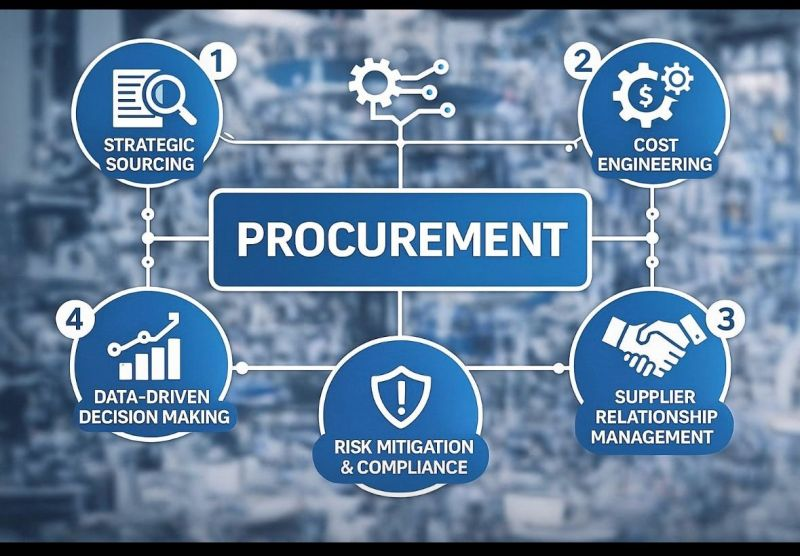
Table of Contents
- Introduction
- Understanding Procurement Resilience
- Conducting Comprehensive Risk Assessments
- Diversifying the Supplier Base
- Leveraging Digital Tools and Analytics
- Fostering Strong Supplier Relationships
- Implementing Flexible Contracts
- Investing in Employee Training and Development
- Monitoring and Adapting to Market Changes
Today’s volatile business environment makes it essential for organizations to develop robust and resilient procurement strategies. Companies face unprecedented challenges ranging from supply chain disruptions to global market shifts. A tailored government procurement strategy can be instrumental in maintaining operational continuity and a sustainable competitive edge. By proactively preparing for unexpected events, procurement leaders can help ensure their organizations maintain steady access to crucial materials and services.
Whether your supply chain is global or regional, disruptions are no longer just possibilities; they are likely eventualities. Proactive organizations do not simply respond to crises; they prepare for them, embedding resilience into their procurement practices. By establishing resilient procurement frameworks, organizations gain a powerful advantage that extends across the entire operation, from sourcing to delivery. This article offers practical guidance for strengthening your procurement resilience, so you can confidently face whatever challenges may arise.
Understanding Procurement Resilience
Procurement resilience describes an organization’s ability to identify, withstand, and recover from supply chain shocks and disruptions. This resilience is about more than responding to the unexpected; it is about anticipating risks and creating systems that help safeguard the procurement function. A resilient procurement process ensures continuity of supply, even in difficult conditions, protecting both profitability and reputation.
Recent supply chain crises, such as those triggered by geopolitical conflict or public health emergencies, have underscored the value of procurement resilience. When an organization maintains operations during disruptions, it delivers more consistent results for stakeholders, employees, and customers alike.
Conducting Comprehensive Risk Assessments
Risk assessment is foundational to procurement resilience. Organizations must systematically identify vulnerabilities throughout their supply chain, from key suppliers and production locations to logistics providers. The process includes mapping supply networks, evaluating supplier reliability, and monitoring factors such as political instability and commodity price volatility.
Collaborative risk assessments further strengthen results. Bringing together procurement professionals, finance, legal, and risk management teams enables organizations to gain a more detailed view of potential threats. This cross-functional approach is encouraged by experts at McKinsey & Company, who emphasize that regular scenario testing and risk mapping can reveal hidden vulnerabilities and support sound mitigation planning.
Diversifying the Supplier Base
Supplier diversification is a powerful tool for mitigating procurement risk. Relying heavily on a single supplier or region can amplify the effects of a disruption. By spreading procurement across multiple suppliers and geographies, organizations increase their ability to withstand localized crises or supply interruptions.
High-performing procurement teams frequently assess and refresh their supplier networks. This strategy is especially important for critical goods and services where a shortfall could halt production or delay delivery to customers. Diversification not only safeguards continuity but can also drive competitive pricing and foster supplier innovation.
Leveraging Digital Tools and Analytics
Digital procurement platforms and advanced analytics empower organizations with real-time visibility into their supply chains. Technologies such as artificial intelligence (AI), predictive analytics, and digital dashboards help procurement teams monitor supplier performance, forecast demand, and spot risks before they escalate.
Implementing data-driven tools supports faster, evidence-based decisions, increasing organizational agility. Such tools make organizations better equipped to recognize early warning signs of disruption and facilitate rapid reallocation of supply sources.
Fostering Strong Supplier Relationships
Lasting supplier relationships founded on transparency and collaboration are a critical pillar of procurement resilience. Open communication helps both sides address concerns early, manage shortages, and coordinate joint responses during major disruptions. Strong relationships also encourage knowledge sharing and continuous improvement, thereby reducing costs and enhancing quality.
Regular engagement with suppliers enables organizations to gain insights into their partners’ capacities and challenges, identifying opportunities for value-added partnerships and co-investing in risk-mitigation strategies.
Implementing Flexible Contracts
Flexible procurement contracts provide crucial leeway when circumstances shift unexpectedly. Organizations should include provisions that address force majeure, supply delays, and uncertain delivery schedules. These clauses enable procurement leaders to adapt without incurring severe financial penalties.
Balancing risk-sharing within contract terms encourages suppliers to remain proactive and responsive to organizational needs, allowing both parties to respond more effectively to dynamic market conditions.
Investing in Employee Training and Development
Skilled procurement teams are better equipped to execute resilient strategies in the face of disruption. Regular training equips employees with expertise in risk management, negotiation tactics, and the adoption of digital tools. When teams are confident in their abilities, they can make critical decisions quickly and mitigate the impact of disruptions.
Providing opportunities for ongoing professional development also improves morale and talent retention, further strengthening overall procurement performance.
Monitoring and Adapting to Market Changes
Effective procurement teams stay attuned to evolving market conditions, such as economic trends, commodity price shifts, and regulatory changes. By continuously monitoring the external environment, organizations can identify emerging risks and swiftly adjust their procurement strategies.
Leaders should establish processes for regular market intelligence updates and scenario planning. This enables continuous adaptability, ensuring procurement strategies are aligned with current realities and future uncertainty.
By embedding these practices into your procurement approach, organizations can develop procurement strategies that are both resilient and future-ready, maintaining operational continuity and promoting long-term sustainability.