Understanding Brisbane Flooding: Causes, Impacts, and Safety Measures
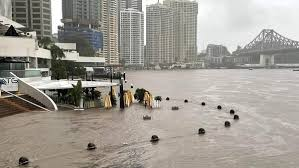
Brisbane flooding is a significant natural event that occurs periodically in the city’s history. Understanding the factors that lead to flooding, its effects on communities and infrastructure, and the preventive measures is essential for both residents and policymakers. This article explores the various aspects of Brisbane flooding, providing a comprehensive overview informed by historical data and modern analysis.
Causes of Brisbane Flooding
Brisbane’s geographical location and climatic conditions contribute largely to its flood risk. Situated along the Brisbane River and near coastal areas, the city is prone to flooding, especially during periods of heavy rainfall. Tropical cyclones, intense storms, and monsoonal weather patterns can result in prolonged precipitation that overwhelms river systems and drainage networks.
One primary cause is the Brisbane River catchment’s funnel shape, which can concentrate water flow downstream, leading to rapid rises in water levels. Additionally, urban development has increased surface runoff, limiting natural absorption of rainwater into the ground. This combination intensifies the severity and frequency of floods in the region.
Historical Flood Events in Brisbane
Brisbane has experienced several notable floods throughout its history. The 1893 floods were among the most devastating recorded, followed by major events in 1974 and 2011. Each flood has demonstrated the city’s vulnerability and the catastrophic potential of such natural disasters. These events have shaped the city’s approach to flood management and urban planning.
The 2011 flood, in particular, gained significant attention due to widespread damage across Brisbane and surrounding areas. It highlighted weaknesses in existing strategies and prompted a comprehensive review of flood response, infrastructure, and community readiness.
Impacts of Flooding on Brisbane
The consequences of flooding in Brisbane are far-reaching, affecting multiple sectors of society. One of the immediate impacts is damage to residential and commercial properties. Floodwaters can compromise building structures and lead to costly repairs and insurance claims.
Flooding also disrupts transportation and communication networks. Roads, bridges, and rail lines are often impassable, hampering emergency services and daily commutes. Businesses may face closure, leading to economic losses both locally and regionally.
Environmental impacts are also significant. Floodwaters can lead to soil erosion, pollute water bodies with debris and hazardous substances, and affect ecosystems along the Brisbane River. These environmental changes can have longer-term consequences for biodiversity and public health.
Health and Safety Concerns
Flooding poses serious health risks, including waterborne diseases, injuries during evacuation or rescue operations, and mental health challenges resulting from displacement and property loss. Safe access to clean water and medical services becomes critical during and after flood events.
Moreover, floodwaters may contain contaminants from agricultural runoff, sewage overflow, and industrial sites, exacerbating health hazards for affected populations. Thus, effective public health measures and community support systems are vital components of flood management.
Urban Planning and Infrastructure to Mitigate Flood Risk
In response to the recurring threat of Brisbane flooding, the city has implemented several urban planning and infrastructure initiatives. Floodplain zoning restricts development in high-risk areas to reduce exposure. Similarly, building regulations require structures to be resilient to flood conditions.
Infrastructure investments, such as levees, floodwalls, and water detention basins, have been pursued to control and divert excess water. Upgrading stormwater systems ensures better management of urban runoff during heavy rainfall events.
read more : https://lawsuitzone.com/
Early Warning Systems and Emergency Preparedness
Modern technology plays a crucial role in flood preparedness. Early warning systems provide timely alerts to residents and authorities when flood risks increase. These systems integrate meteorological data, river gauges, and predictive models to forecast potential flood events accurately.
Emergency management plans focus on evacuation routes, shelter availability, and communication strategies to protect vulnerable populations. Community education programs raise awareness about flood risks and appropriate safety measures.
Community Role in Flood Resilience
Residents of Brisbane are encouraged to actively participate in flood resilience efforts. This includes preparedness actions such as securing property, preparing emergency kits, and having evacuation plans. Community engagement also aids in recovery processes and strengthens social support networks.
Insurance and Financial Protection
Insurance is a critical tool for managing the financial risks associated with Brisbane flooding. Homeowners and businesses should be aware of flood coverage options to mitigate economic losses. Access to reliable information on insurance and flood risks is available through resources such as Brisbane Flooding FAQs and guides.
Government Policies and Investment
Government agencies at local, state, and federal levels contribute significant resources to flood management. Investment in infrastructure, research, and community programs reflects a commitment to reducing the impacts of floods.
Policy frameworks encourage sustainable land use and climate adaptation strategies, recognising that flood risks may increase due to changing weather patterns and urban growth.
Climate Change and Future Flooding Risks
Climate change is expected to influence the patterns and intensity of rainfall, potentially increasing the frequency and severity of flooding events in Brisbane. Rising sea levels and altered weather systems exacerbate existing vulnerabilities.
Understanding these emerging risks enables more effective planning and adaptation measures to safeguard the city’s future.
Technology and Innovation in Flood Management
Advances in technology, such as remote sensing, geographic information systems (GIS), and real-time monitoring, enhance the ability to predict, manage, and respond to Brisbane flooding. These tools improve data accuracy and support decision-making processes.
Case Studies and Lessons Learned
Analysis of past floods provides valuable insights for improving resilience. Lessons learned from the 1974 and 2011 events include the importance of coordinated response, investment in infrastructure, and community engagement.
Conclusion
Brisbane flooding remains a complex challenge requiring multifaceted approaches. Understanding its causes and impacts enables better preparation and response. Collaboration between government, communities, and experts is vital to enhance safety and reduce flood-related damages.
Residents are encouraged to access resources such as Brisbane Flooding information pages for guidance on flood preparedness and property protection. With continued investment and awareness, Brisbane can improve its resilience against future flooding events.