Dog Bites: Treatment, Causes: Prevention & Claims (Complete Guide)
A dog bite can occur in the blink of an eye. An ordinary, quiet time with a well-known dog may unexpectedly turn into a painful experience with both physical and emotional consequences. The thing is, such dog bite instances are very common in Utah, more than you think.
And as much as the treatment is important, you need to file your claim on time with the help of a dog bite attorney Utah because timely action is important to preserve the time-sensitive evidence and strengthen your claim.
In this article, we will discuss the causes of dog bites, prevention methods, and the most effective treatment. You will also learn practical safety tips, backed by research, to keep yourself and your family safe. Moreover, you’ll also learn about how to file your claim in Utah.
Understanding Dog Bites
A dog bite may be a simple bite on the nip or a deep wound that demands medical care. The fact that it is not only the injury but also the danger of infection and complications that can occur is what makes it a concern.
The Centers for Disease Control and Prevention state that millions of dog bite injuries happen annually, and many of them involve medical treatment.
Young children are especially susceptible, usually due to their misunderstanding of the signals of a dog or their proximity in the game. However, adults are also vulnerable, particularly when dealing with unknown dogs.
Common Causes of Dog Bites
The reason behind the occurrence of dog bites is the key to prevention. The majority of bites are not incidents of unthoughtful violence.
These are the main reasons:
1. Anxiety and Fear
When threatened, dogs can bite. Fear reactions can be caused by loud sounds, abrupt actions and new surroundings.
2. Territorial Behavior
Dogs have an instinct to defend their space, food and owners. Defensive biting can be caused by going into their comfort zone without care.
3. Pain or Illness
Even the most docile dog can bite when hurt or ill. Pain decreases tolerance and elevates irritability.
4. Training and Socialization Deficiency
Dogs not exposed to other people and other places can behave in an unpredictable way. This risk is minimized through proper training.
5. Misreading Body Language
It is easy to overlook such warning signs as growling or stiff posture. This misconception usually causes preventable accidents.
Red Flags that You Should Never Ignore
Dogs normally precede biting by giving signals. Early detection of these signs can help to avoid severe circumstances.
- Deep, growling, low barking
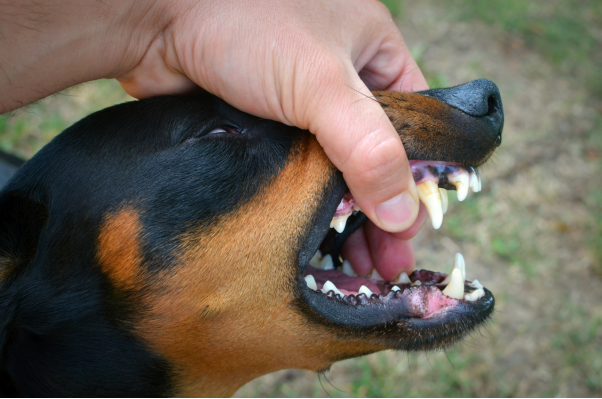
- Snapping or displaying teeth
- Rigorous body posture or stiff pose
- Raised fur along the back
- Violent glaring or drawn-up ears
These are some of the easiest signals to learn to help prevent dog bites.
Dog Bite Prevention Strategies
Eliminating a dog bite is simple and sometimes an intelligent decision. You may be a pet owner or just happen to be around dogs now and then, but these strategies can assist.
For Adults
- Do not approach strange dogs unless you are asked to
- Do not disturb dogs when they are eating or sleeping
- Be calm and do not make sudden movements
For Children
Children require straightforward and unambiguous rules:
- Do not tease or pull the tail of a dog
- Avoid hugging unfamiliar dogs
- Always inquire before getting closer
For Dog Owners
Good ownership is critical:
- Early socialization and training of a dog
- Ensure routine immunizations
- Wear a leash when out
According to the suggestions provided by the American Veterinary Medical Association, the most important element in decreasing the number of bite cases is education and supervision.
Urgent Actions to Take After a Dog Bite Injury
Early intervention can help avoid complications and accelerate recovery.
First Aid Steps
- Clean the wound with soap and water
- Apply gentle pressure to stop bleeding
- Apply an antiseptic to minimize the chances of infection
When to Seek Medical Attention
You should see a doctor if:
- The dog bite injury is serious and is extremely bloody.
- There are signs of infection (redness, swelling, pus)
- The status of the dog in terms of vaccination is not known
The World Health Organization states that the risk of rabies transmission can be diminished significantly with the proper wound cleaning alone.
Dog Bites Medical Treatment
The treatment is based on how severe the injury is, although it usually involves:
- Wound care: Cleaning and possible stitches
- Immunizations: Rabies and tetanus, when necessary
- Antibiotics: To prevent or treat infection
Physicians also have the ability to check on the wound after some time to achieve good healing.
Complications and Risks
Negligence regarding a dog bite can result in severe problems:
- Bacterial infections
- Rabies (in rare but severe cases)
- Permanent injury
- Psychological trauma (particularly in children)
These risks can be reduced by proper treatment.
When Legal Guidance Becomes Essential
Professional advice on law may be relevant in some instances of dog bites, especially when serious injuries occur, and you may need to pursue a personal injury claim. The law is state-specific; in some states, such as Utah, the no-fault system may pose a challenge to victims who may be unsure of whether they have a case to pursue or the next course of action.
How to File Dog Bite Claims in Utah
There are a number of key components to consider when filing a dog bite claim in Utah. Quick action can help ensure your health and evidence are preserved and your claim for compensation is enhanced.
1: Seek Medical Attention Immediately
Get medical treatment as soon as possible after the dog bite. Medical records are vital for your claim and for your health.
2: Report the Incident
Contact local animal control or law enforcement officials about the attack. An official report can help boost your case and provide documentation of what occurred.
3: Collect Important Evidence
Photograph your injuries, obtain witness statements, retain medical bills, and note the losses of wages and other expenses due to the incident.
4: Talk to a Dog Bite Attorney
An experienced lawyer will be able to educate you about your legal rights, navigate insurance providers, estimate damages and assist you in securing a rightful settlement for medical expenses, emotional suffering and any other losses.
Conclusion
For legal guidance after a dog bite, you need to consult with a reliable law firm, such as Cockayne Law. Many reputable firms in Utah help people to learn their rights, negotiate with insurance companies, and discuss reasonable compensation possibilities in case of necessity. This type of assistance may be especially useful in cases when medical expenses, time spent, and financial strain start to accumulate.
Several organizations also provide flexible options, such as no-win, no-fee setups, which can result in legal advice being more affordable without imposing initial economic strain. In the case of people who are trying to recover after an event, the proper information and assistance can help to facilitate the process.
FAQs
1. What is initial action to take when bitten by a dog?
Clean the cut or scrape with soap and water, put on some antiseptic medicine to help prevent infection, and don’t hesitate to see a doctor if it looks bad or doesn’t heal properly.
2. Is it possible that a small dog bite can be dangerous?
Yes, even small bites may lead to infections unless they are treated properly.
3. Do the medics have to attend to all dog bites?
A doctor should always check not only deep but also infected wounds.
4. How can dog bites be avoided?
Knowing how to handle dogs, not provoking them, and being safe around them.
5. Do dog bites cause a serious threat of rabies?
Yes, it can be treated with medical treatment and immunization at the right time.