The Hours After a Crash: Decisions That Can Affect Your Case
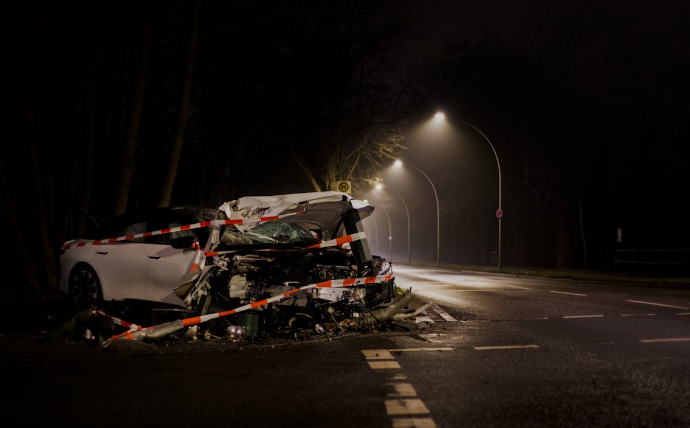
You never expect the moment right after a crash to feel so unclear, but it does. One minute you are driving like any other day, and the next you are standing on the side of the road trying to figure out what just happened and what you are supposed to do next.
In places like Wilmington, accidents are not rare events. Traffic reports and local safety data have shown steady numbers of crashes each year, with many involving minor to serious injuries. A large portion of victims do not receive full compensation, sometimes because of early decisions made without enough information. That gap between what happens and what follows is where most problems begin, and it is usually shaped in the first few hours.
The First Decisions Are Rarely Clear
Right after a crash, things move too fast to think straight. People start talking, phones come out, and there is pressure to respond before you really understand what happened. It is common to say you are fine or agree just to move things along. Those early moments carry more weight than expected. What is said can stay with the case later, even if it came from confusion. It is less about being careful and more about giving yourself time. Even simple steps, like taking photos or sharing the right details, can quietly shape what happens next.
Understanding Legal Direction Early
There is usually a point, not long after the crash, where questions start to build. Who is at fault, what gets covered, and how long will this take? Most people do not have clear answers, and they rely on whatever information is available at the time, which is often incomplete. This is where it becomes crucial to have a reliable car accident attorney in Wilmington by your side.
Professional car accident attorneys can help you understand your position. They know how to handle the situation well, which improves your chances of getting fairly compensated. It is less about action and more about understanding what is already in motion.
The Role of Medical Attention, Even When It Feels Minor
In many cases, injuries do not show up immediately. The body reacts slowly to impact, and symptoms can take hours or even days to appear. This delay creates a problem because if medical attention is not sought early, it becomes harder to connect the injury to the accident.
People often choose to wait. It seems reasonable at the time. But from a legal and practical standpoint, that delay can complicate things. Records and timing matter. A medical visit soon after the crash creates a clear link that is harder to question later. It is about making sure that if something develops, there is a record of when it started and why.
Talking to Insurance Without Knowing the Full Picture
Insurance calls tend to come quickly. Sometimes within hours. The conversation may feel routine, almost casual, but it carries weight. Questions are asked in a way that seems simple, but the answers are recorded and used later.
This is where many people run into issues. They answer based on what they think they know, even though the situation is still unclear. Details about injuries, damage, or fault are shared too early. It is not that these conversations should be avoided completely. They are part of the process. But they should be approached with care. There is no need to rush into conclusions when the full picture is still forming.
Evidence That Gets Lost Without Notice
The scene of a crash changes quickly. Vehicles are moved, debris is cleared, and the moment passes. If no record is made, that version of events disappears. Photos, notes, and even short videos can make a difference later. They do not need to be perfect. Just clear enough to show what was there at the time. Positions of vehicles, road conditions, and visible damage. These details fade quickly if they are not captured.
The Pressure to Move on Too Quickly
There is a natural urge to get past the situation as fast as possible. To settle things, fix the car, and return to normal. That instinct makes sense, but it can lead to decisions that close off options too early.
Accepting a quick settlement, agreeing to terms without review, or skipping steps to save time. These choices may feel efficient, but they can limit what is possible later. Once certain agreements are made, they are difficult to change. It helps to slow down just enough to understand what is being agreed to. Not everything needs to be decided immediately, even if it feels like it should be.
When the Details Start to Matter More
As time passes, the situation becomes clearer. Reports are filed, medical records are created, and the sequence of events starts to settle. This is when the small details begin to carry more weight. What was said, what was recorded, what was done in those first hours. These pieces come together and shape the case. It is not always obvious in the moment, but it becomes clear later.
A Process That Does Not Feel Urgent, but Is
The hours after a crash do not always feel critical. There is no clear timeline, no obvious deadline pressing down. But the process is already moving, even if it does not feel that way. Information is being collected. Records are being created. Conversations are being noted. All of it builds a foundation that affects what happens next. That is why awareness matters more than urgency. Understanding that these moments have weight, even if they seem routine, can change how they are handled.
It is not realistic to expect perfect decisions in a stressful moment. But it is possible to avoid rushed ones. Taking a step back, asking a few more questions, and allowing time for information to come together. In the end, what happens after a crash is not shaped by one big decision. It is shaped by a series of small ones, made under pressure, often without full information.