Colorado Courts Just Changed How Subcontractors Sue for Project Delays
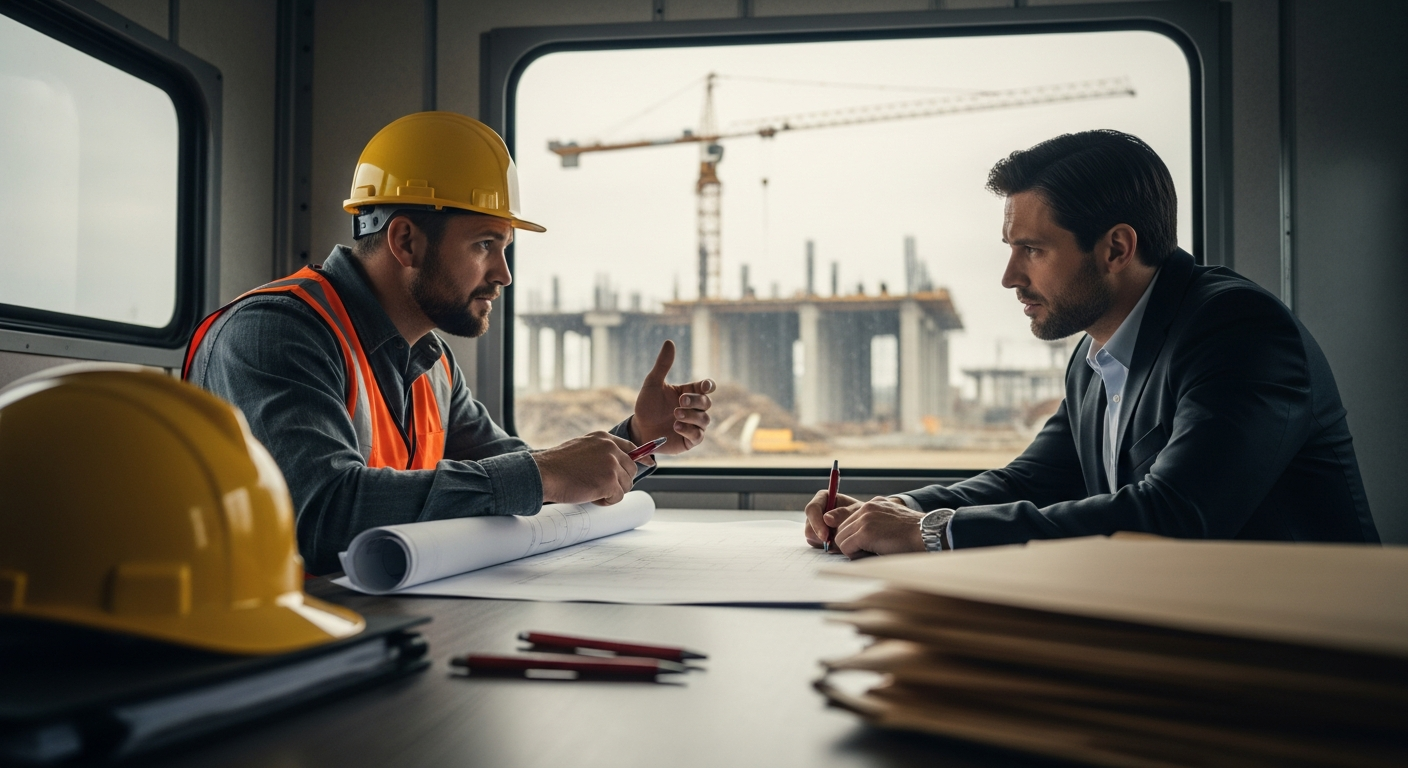
Delays on public works projects don’t just mess up your schedule. They drain your budget while you sit around waiting for answers from project owners, and you risk losing your entire payment just because you filed a claim the court didn’t like.
The average construction dispute resolution time climbed to 14.4 months in 2023. That’s over a year of uncertainty. You can’t afford to wait that long only to learn a judge tossed your case on a technicality.
A 2026 Colorado Supreme Court ruling reshapes the playing field. In R. Wadsworth Construction Company v. Regional Rail Partners, the court overturned an appeals decision that had aggressively penalized subcontractors for overstating claims on a $343 million regional transit project. If you’re a subcontractor working in Colorado, your legal protections when filing delay claims just got meaningfully stronger.
But here’s the catch: not every type of financial damage qualifies under the court’s new interpretation. To actually secure your money, you need to understand the specific rules of Colorado’s Public Works Act.
How the Supreme Court Protected Subcontractor Claims
Overstated Claims Don’t Erase Your Rights
The Supreme Court zeroed in on what state construction laws were actually designed to do. The justices unanimously rejected a “drastic” interpretation that had been hurting builders for years. Lower courts had used that harsh reading to wipe out a subcontractor’s right to compensation entirely, punishing businesses simply for trying to recover disputed amounts.
Under the new ruling, even if your verified statement of claim includes an overstated number, you only lose specific statutory lien rights against the project. You don’t lose all legal rights to monetary relief. The court restored a $5.7 million award to the subcontractor in this case.
That outcome aligns with what the legislature intended all along. These statutes exist to deter bad-faith claims of non-payment. They were never meant to bankrupt honest contractors fighting for fair pay after unforeseen delays.
What Types of Claims Hold Up in Court?
Delay and Disruption Damages
You can now demand compensation for disputed costs caused by someone else’s scheduling failures with a lot more confidence. The law explicitly permits you to include unliquidated amounts (extra costs that don’t have a fixed, pre-agreed price in your original contract) in your verified statements of claim.
That said, your claim still needs to fall within the strict boundaries of the Public Works Act. Seeking reliable construction litigation insights helps contractors properly identify billable services before filing paperwork. You need to know exactly what the court considers services “actually provided” to the public project.
So what qualifies? The Supreme Court lays out clear guidelines on permissible, billable services during an extended timeline:
- Labor costs required to manage the delay on the job site
- Materials consumed or supplied during the extended timeline
- Rental machinery and tools used while waiting for project progression
These items represent quantifiable resources your company deployed. The public project owner benefited from them, even while construction was at a standstill. You have every right to bill for them under the newly clarified law.
Which Claims Will Still Fall Flat?
Exclusions Under the Public Works Act
The Supreme Court didn’t open the floodgates. You can’t claim speculative losses or opportunity costs on public works projects. The law protects the physical input of labor, heavy machinery, and construction materials. Period.
Ask the state for money you merely “hoped” to make, and you’re asking for trouble. The court categorizes lost profits and idle time as purely financial damages, not actual project services. You need to exclude those losses from your verified statement of claim.
Here’s a quick breakdown of what belongs in your legal documentation and what doesn’t:
| Claim Type | Permissible? | Reason |
|---|---|---|
| Labor and material costs | Yes | Considered services “actually provided” to the project |
| Machinery and tool rentals | Yes | Directly tied to on-site work duration and physical presence |
| Lost profits | No | Speculative financial damage, not a direct project cost |
| Idle time / standby | No | Not considered labor “actually provided” under the Act |
What To Do If Your Public Works Project Faces Delays
When timelines shift, you need to act fast and act precisely. The financial stakes are enormous; the average value of construction disputes in North America hit $43 million in 2023.
And most of these battles come down to paperwork problems. The primary cause of construction disputes in 2021 was poorly drafted or unsubstantiated claims. On top of that, a change in project scope hits 36.9% of major projects globally. If your company operates in the seven- or eight-figure range, detailed documentation isn’t optional.
Here’s what to do when unexpected public project delays hit:
- Document the scope change. Keep meticulous daily logs showing how delays affect your material use and labor hours. You need hard evidence proving your extended presence on the job site constitutes a continuous service.
- Separate your costs. Clearly divide “hard costs” (labor, materials) from “soft costs” (lost profits) before drafting your official claim. This separation shows good faith and compliance with the rules.
- File your verified statement of claim. Don’t let fear of a disputed amount stop you from filing for what you’re owed. Submit your paperwork promptly and confidently to secure your place in line for payment.
Will Filing a Disputed Claim Cost Me My Entire Payout?
No. The 2026 Supreme Court ruling specifically protects you from that kind of all-or-nothing penalty. A math disagreement with the project owner won’t leave your company bankrupt.
The court recognizes that construction billing gets messy during public works delays. Disputed or unliquidated amounts can lawfully be included in a verified statement of claim. You just need to make sure those amounts stay within the boundaries set by the Public Works Act.
Your baseline payout for actual work completed remains fully protected. As long as your claim is made in good faith and steers clear of excluded items like lost profits, your company won’t forfeit its right to recovery.
Where This Leaves You
Colorado subcontractors are in a much better position today than they were a year ago. The Supreme Court dismantled the aggressive penalties that once scared builders into swallowing unfair losses. There’s now a clear, legally backed path to recover your hard costs when government projects drag on longer than planned.
Track your project delays every single day. Assert your right to fair compensation under the newly clarified protections of the Public Works Act. Sound like a lot of work? Maybe. But your hard work deserves full payment, and the law now backs your ability to demand it.