What Age Can You Get Your Driver’s License in Texas?
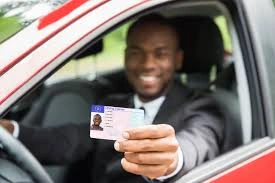
Getting your first driver’s license is an exciting milestone, but in Texas, there are specific age requirements and rules you must follow. Understanding the licensing process helps teen drivers stay compliant with state laws, avoid penalties, and prepare for safe driving. Many families also consult a Houston car accident lawyer to understand legal responsibilities while teen drivers gain independence. In this guide, we’ll break down the age requirements, types of licenses, and key steps to obtaining a driver’s license in Texas.
Texas Driving License Age Limit
In Texas, the minimum age to obtain a learner’s permit is 15 years. This permit allows teens to gain supervised driving experience before applying for a provisional license. To qualify:
- Applicants must be at least 15 years old.
- Complete a Texas-approved driver education course.
- Hold parental or guardian consent for minors.
- Pass a written knowledge exam and a vision test at the Texas Department of Public Safety (DPS).
These requirements help young drivers gain experience safely and reduce accident risks. If negligent teen driving causes a crash and you are injured, searching for a car accident lawyer near me can help you protect your rights and seek fair compensation.
Types of Licenses Available for Teen Drivers
Texas offers several license types based on age and experience:
- Learner’s Permit (Age 15+): Supervised driving only, with adult supervision.
- Provisional License (Age 16–17): Allows unsupervised driving but with certain restrictions, such as passenger limits and curfews.
- Full Driver’s License (Age 18+): Grants all driving privileges with no passenger or time restrictions.
Understanding proper license requirements helps promote safer roads and prevent accidents. If a licensing violation leads to a crash in Texas and you are injured, The Law Offices of Keivan S. Romero can help protect your rights and pursue fair compensation.
Graduated Driver License (GDL) Program in Texas
The Graduated Driver License (GDL) program in Texas is designed to help young drivers gain experience gradually. Key steps include:
- Phase One: Learner’s Permit: Teen drivers must complete at least 30 hours of supervised driving.
- Phase Two: Provisional License: Teens can drive unsupervised but must follow passenger restrictions and night time driving limits.
- Phase Three: Full License: At 18, teens are eligible for a full, unrestricted driver’s license.
The GDL program significantly reduces the risk of accidents for new drivers by gradually introducing them to real-world driving scenarios.
Steps to Obtain a Learner’s Permit
To get a learner’s permit in Texas, follow these steps:
- Enroll in a DPS-approved driver education course (online or in-person).
- Gather required documents: proof of identity, Social Security number, and Texas residency.
- Pass the written knowledge test and a vision exam.
- Pay the applicable fees (typically around $25 for minors).
After receiving the permit, teens must log supervised driving hours before advancing to a provisional license.
Requirements for a Provisional License
At age 16, teens may apply for a provisional license if they meet the following conditions:
- Held a learner’s permit for at least six months.
- Completed at least 30 hours of supervised driving, including 10 hours at night.
- No major traffic violations during the learner’s permit phase.
- Pass the DPS road test to demonstrate safe driving skills.
Provisional licenses help teens build independence while limiting high-risk driving behaviors.
Full Driver’s License Eligibility in Texas
Teens aged 18 or older are eligible for a full driver’s license without restrictions. Applicants must provide identification, pass the required tests, and pay the applicable fees. By this age, drivers are expected to have sufficient experience to drive responsibly without adult supervision.
Common Restrictions for New Drivers
Even with a provisional license, Texas imposes restrictions to protect teen drivers:
- Maximum of one passenger under 21 who isn’t a family member.
- No driving between midnight and 5 a.m. unless for work, school, or emergencies.
- Mandatory seatbelt use for all passengers.
Adhering to these rules reduces accidents and keeps insurance premiums lower.
When to Consult a Houston Car Accident Lawyer
If a teen driver’s actions or driving record contributed to an accident that caused injuries in Houston, victims may benefit from legal assistance to pursue compensation. Consulting a Houston car accident lawyer can be helpful if:
- Your driving record shows violations or suspensions that are relevant to your accident claim
- You were injured in a crash involving a driver on a learner’s permit or provisional license
- Insurance disputes arise after a teen driving accident
- A car accident lawyer can help a teenage driver prevent extra and unfair charges
Early legal consultation can help victims protect their rights, recover damages, and avoid long-term financial or medical consequences after a collision.