6 Common Mistakes Dog Bite Victims Make That Hurt Their Case
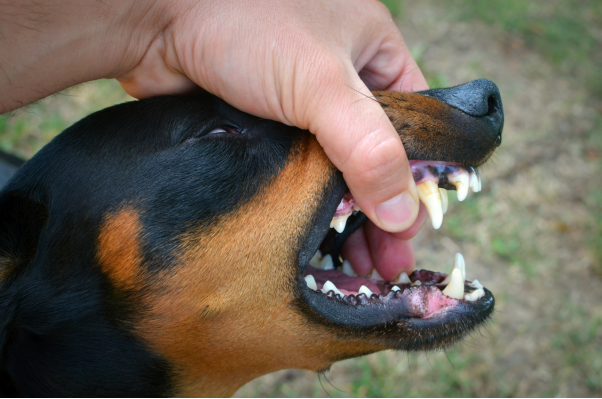
Dog bite victims can unintentionally weaken their legal claims by making certain common mistakes, such as delaying medical treatment, failing to document the incident, not reporting the attack, or speaking to insurance companies without legal guidance. These missteps can affect evidence, liability, and the amount of compensation a victim may receive. Understanding these mistakes early on can help protect your rights and strengthen your case.
San Marcos is a historic and vibrant city located along the I-35 corridor between Austin and San Antonio. Known as one of the longest continually inhabited sites in North America, it is home to the spring-fed San Marcos River, Texas State University, and a lively downtown. With a population of around 70,900 people, the city blends natural beauty with a strong college-town energy, and it’s not just great for people, but also a welcoming place for pets.
With its mix of residential neighborhoods, parks, and busy public spaces, San Marcos sees frequent interactions between people and animals. If you’ve been injured in a dog attack, consulting a San Marcos dog bite injury lawyer can help you understand your legal rights and avoid mistakes that could hurt your claim.
1. Failing to Seek Immediate Medical Attention
One of the most critical mistakes is delaying or avoiding medical care after a dog bite. Even minor wounds can lead to infections, nerve damage, or complications if untreated. Medical documentation also plays a key role in proving the seriousness of your injuries in a legal claim.
Prompt medical attention not only protects your health but also establishes a clear timeline between the incident and your injuries. This connection is essential when dealing with insurance companies or pursuing compensation. Ignoring treatment can give the impression that your injuries were not severe.
2. Not Reporting the Incident
Many victims choose not to report the dog bite to local authorities or animal control. This decision can weaken your case, as there will be no official record documenting the attack. Without a report, proving the facts of the incident becomes much more difficult.
An official report helps identify the dog and its owner while also creating a reliable account of what happened. It may also reveal whether the dog has a history of aggressive behavior. These details can significantly strengthen your claim.
3. Ignoring Evidence Collection
Failing to gather evidence at the scene can hurt your case later on. Important evidence includes photographs of your injuries, the location, and the dog involved. Witness statements can also provide valuable support to your version of events.
The more evidence you collect, the easier it becomes to prove liability and damages. Without proper documentation, your claim may rely heavily on conflicting statements. Strong evidence can make a major difference in the outcome of your case.
4. Talking to Insurance Companies Without Legal Advice
Insurance adjusters may contact victims soon after the incident to collect information. While they may seem helpful, their goal is often to minimize the amount the company has to pay. Speaking without proper guidance can lead to statements that harm your case.
Accepting a quick settlement offer may seem convenient, but it often does not reflect the full value of your damages. Once accepted, you may lose the right to seek additional compensation. Legal advice ensures your rights are protected throughout the process.
5. Posting About the Incident on Social Media
Sharing details about the incident on social media can seriously impact your claim. Insurance companies and defense attorneys may monitor your accounts for any posts that can be used against you. Even harmless updates can be taken out of context.
Photos, comments, or check-ins may create doubts about the severity of your injuries. These posts can be used to challenge your credibility during negotiations or in court. Staying cautious online is an important part of protecting your case.
6. Waiting Too Long to Take Legal Action
Every state has a statute of limitations that sets a deadline for filing a dog bite claim. Waiting too long can result in losing your right to seek compensation altogether. Delays can also lead to lost evidence and fading witness memories.
Taking timely action helps preserve important details and strengthens your case. Consulting a legal professional early ensures that all deadlines are met. Acting quickly can significantly improve your chances of a successful outcome.
Key Takeaways
- Seek immediate medical attention and document all injuries.
- Report the incident to create an official legal record.
- Collect strong evidence, including photos and witness details.
- Avoid speaking to insurance companies without proper guidance.
- Do not post about the incident on social media.
- Take timely legal action to protect your right to compensation.