Why Fresh Herbs Are Essential in Mediterranean Cooking
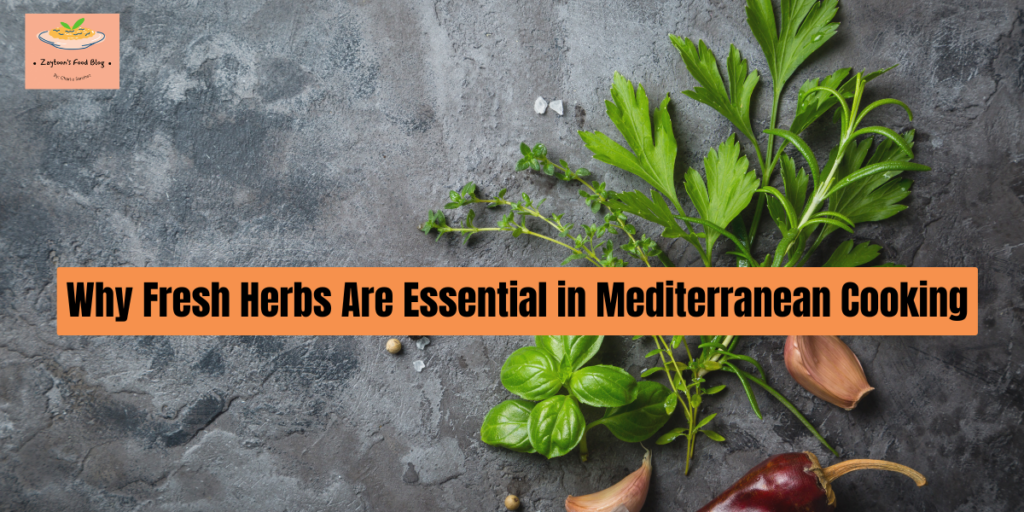
Fresh herbs bring Mediterranean and Middle Eastern dishes to life with bold flavors. Most home cooks grab dried herbs without thinking twice. But they don’t realize how fresh parsley, cilantro, and mint can make simple recipes into something memorable.
At Zaytoons Restaurant, we’ve built our menu around those bold, fresh herbs because they make a real flavor difference in Mediterranean cuisine. They even point out the gap between good food and great food, which often starts with accurately using fresh herbs.
This guide walks you through why fresh herbs count so much in Middle Eastern food, which ones to keep on hand, and how to store them so they actually last. You’ll also learn practical cooking tips you can use tonight.
Let’s get started.
What Makes Mediterranean Cuisine Stand Out
Mediterranean cuisine stands out for its flavour, built on fresh, simple ingredients like herbs, olive oil, and vegetables rather than heavy sauces.

You can see this clearly in Greek recipes, Turkish dishes, and food from Southern Italy, where freshness always comes first, and everything else follows.
Now, let’s have a look at how specific elements can maintain the freshness of Mediterranean cuisines:
Fresh Herbs Cooking: The Foundation of Flavor
Fresh herbs like parsley, mint, and oregano create a bright, aromatic base found in Mediterranean recipes. Unlike dried herbs, fresh varieties release natural oils, adding deeper flavor to even the simplest dishes (we’ve all tasted the difference).
Besides, Mediterranean cooks use herbs generously by treating them more like vegetables than just a finishing touch.
For instance, a Greek salad isn’t complete without handfuls of fresh oregano and mint. Turkish cooks also add fresh dill to yogurt dips and soups in amounts that would surprise most home cooks. This way, fresh herbs make up a good portion of many Mediterranean dishes, not just a garnish.
Olive Oil and Herbs: A Perfect Partnership
Olive oil carries and amplifies the flavors of fresh herbs by creating rich marinades and dressings for salads and dips.
In practice, the fat inside olive oil brings out the herb flavors, making them taste stronger and last longer in your cooking. This combination forms the backbone of Mediterranean sauces, from chimichurri to chermoula.
Specifically, when you chop fresh basil and mix it with olive oil for pasta or bread, the oil pulls out those sweet, peppery notes. You can also use this flavorful base across dozens of recipes.
Trust us! Many Mediterranean cuisines rely on this simple pairing for breakfast dishes, salads, and even desserts.
The Role of Fresh Herbs in Middle Eastern Food
The best part about Middle Eastern cooking is how fresh herbs convert ordinary ingredients into something memorable.

Drawing from our experience in the kitchen, fresh cilantro works differently in Middle Eastern food than in other cuisines. It’s not background noise. Instead, it plays a leading role in dishes from hummus to rice (the herbs don’t just season the food, they become the food).
Before preparing a Middle Eastern dish, learn what role each fresh herbs play into your dishes:
Fresh Cilantro in Traditional Dishes
Fresh cilantro appears in everything from tabbouleh to shakshuka, adding bright, citrusy notes to heavy dishes. For better taste, Middle Eastern cooks often use both leaves and stems to get every bit of that punchy flavor.
Besides adding palate, it balances rich spices like cumin and coriander by cutting through fatty meats and creamy yogurt dips.
Remember, a traditional falafel wrap isn’t complete without fresh cilantro mixed into the chickpea mixture and sprinkled on top. The same goes for soups and salads across Middle Eastern cuisines. In fact, cilantro shows up everywhere in breakfast dishes, lunch recipes, and dinner meals.
Fresh Dill: Beyond the Pickle Jar
Fresh dill brings a delicate, slightly sweet flavor to rice dishes, yogurt dips, and grilled fish (anyone who’s only used dill for pickles is missing out).
In Persian and Turkish cooking, dill pairs with fava beans, eggs, and lamb for unexpected flavor combinations. Its feathery texture adds visual appeal while its mild taste lets other Mediterranean flavors shine through.
Sometimes, Turkish cooks add fresh dill to stuffed peppers and eggplant recipes in amounts that surprise most home cooks. The herb works beautifully here with vegetables, breads, and even cheese dishes. Plus, fresh dill stays flavorful in hot soups without turning bitter.
Building Your Mediterranean Diet with Fresh Herbs
Fresh herbs pack nutrition without adding calories, loaded with antioxidants, vitamins, and compounds that fight inflammation.
The Mediterranean diet leans heavily on plants, and herbs make vegetables taste better, so you’ll actually eat them daily. For example, you can just toss fresh herbs into grains, legumes, and lean proteins to create satisfying meals that keep your heart healthy.
Now, you might be wondering if fresh herbs really make that much difference in everyday cooking. Well, they do. A salad with fresh mint and parsley tastes completely different from one without them. And the same goes for soups, dips, and even breakfast dishes.
Beyond that, fresh herbs help you to cut back on salt because they add so much flavor on their own. That’s why Greek cooks use fresh oregano and basil to make simple tomato dishes sing. Turkish recipes also rely on fresh dill and cilantro to brighten up rice and beans.
Do you know what’s more interesting? These herbs cost less than most spices and grow easily in small pots.
Fresh Herbs vs. Dried: Why Fresh Wins in the Middle East
Fresh herbs win in the Middle East because they contain oils and textures that completely disappear when herbs are dried.
Basically, skipping fresh herbs means skipping flavour. We always agree that dried herbs have their place in cooking. But they can’t replace fresh ones in Mediterranean cuisines, where the herbs carry the whole dish.
These are the ingredients that make fresh herbs irreplaceable in Middle Eastern food:
- Oils Vanish: Fresh basil, mint, and thyme contain essential oils that evaporate during drying, leaving behind only a fraction of the original taste (that’s a compromise your taste buds notice immediately). Those oils give recipes their flavorful punch in salads, dips, and soups.
- Texture Changes Everything: Fresh cilantro and parsley add brightness to dishes like chicken wraps, eggplant spreads, and vegetable salads. In comparison, dried herbs turn brown and dusty. But a Greek salad needs that crisp, green crunch from fresh oregano.
- Traditional Dishes Demand Them: Middle Eastern recipes for rice, bread, beans, and peppers depend on fresh herbs. Besides, Turkish cooks use fresh mint with feta and tomatoes. Persian meals also feature fresh dill in incredibly delicious ways.
Suggestion: When you’re making Mediterranean foods at home, use fresh herbs for salads, dips, breakfast dishes, and any recipe where herbs are the star. On the flip side, you can save dried versions for long-simmering soups and sauces.
Start Cooking with Fresh Herbs Today
Fresh herbs change how your Mediterranean and Middle Eastern dishes taste. You don’t need dozens of varieties to get started. Just grab fresh parsley, cilantro, and mint from your local market and start adding them to your favorite recipes.
The tips in this guide work for everything from simple salads to complex soups and stews. So, store your herbs properly, and they’ll last through the week. Use them generously in your cooking, and you’ll notice the difference immediately.
Ready to experience authentic Mediterranean flavors at home? Visit Zaytoons Restaurant to explore more fresh herb recipes, cooking techniques, and Middle Eastern dishes that bring these ingredients to life. Don’t forget your kitchen deserves that fresh herb flavor.