Exactech Lawsuit: Complete Guide for Injured Patients
Introduction
If you have undergone a knee, hip, or ankle replacement within the last decade, then you have probably read something about the Exactech lawsuit. This has turned into one of the largest medical device litigations of the last few years, with thousands of patients claiming injury from defective orthopedic implants.
Initially, Exactech’s products were marketed as innovative solutions restoring mobility and reducing pain. Only, for many patients, those promises have not held up. Instead, early implant failures began to be reported by patients, including complaints of swelling, bone loss, and others requiring revision surgeries.
The guide below explains in depth what is happening with the Exactech lawsuit, why these implants were recalled, what your legal options are, and how you can take action if you’re affected. Have you checked our detailed guide on CarShield Lawsuit.
What is the Exactech Lawsuit About?
The Exactech lawsuit refers to the growing number of legal claims filed by patients that say hip, knee, and ankle implants sold by the company were defectively manufactured and prematurely failed.
At the root of these cases, there was a major packaging defect, where the implants were stored in bags without proper oxygen barriers, which led to oxidation of the polyethylene plastic component—even before implantation. This has led to rapid wear and buildup of debris over time, necessitating revision surgeries.
These complaints claim that Exactech was aware, or should have been, of this defect much earlier, but it continued to sell its products without warning either the doctors or the patients properly.
The Background: How Exactech Implants Were Marketed
Founded in Gainesville, Florida, Exactech Inc. made a name for itself in orthopedic innovation, particularly in the manufacture of joint replacements. Surgeons worldwide used its products in surgeries designed to restore movement and alleviate pain.
The company marketed its implants as “durable,” “precisely engineered,” and “long-lasting.” Surgeons trusted the brand, and patients trusted their doctors.
But when multiple reports of early failures surfaced — far sooner than the devices’ projected lifespan — concerns escalated. Many patients underwent painful revision surgeries just a few years after their original operations.
The Exactech Recall and Lawsuit Timeline
To understand how this lawsuit unfolded, here’s a quick look at key events:
- 2004–2021: The company designs, manufactures, and distributes thousands of Exactech hip, knee, and ankle implants worldwide.
- 2021: Exactech quietly initiates its first voluntary recall of knee and ankle implants due to defective packaging.
- 2022: Expanded recall involves more than 140,000 devices, including Optetrak, Truliant, and Vantage systems.
- 2023: Hundreds of patients start filing lawsuits in federal and state courts.
- 2024: The cases are consolidated into multidistrict litigation to streamline proceedings.
- 2025 – Present: Ongoing litigation, bellwether trials to set settlement amounts.
Why the Lawsuits Were Filed
Patients who filed the Exactech lawsuit claim the company’s negligence caused them physical, financial, and emotional harm. Here’s a breakdown of the main allegations:
1. Defective Packaging and Design
The core complaint is of defective packaging that let oxygen seep into the vacuum-sealed bags, leading to the premature oxidation and deterioration of the polyethylene liners used in the implants.
2. Failure to Warn
Exactech is accused of failing to warn surgeons and patients of the potential risks, after learning about early device failures. Additional injuries could have been avoided if proper warnings were given.
3. Misleading Marketing
In lawsuits, it is alleged that Exactech exaggerated the reliability of its implants in brochures, commercials, and training materials. Doctors and patients were convinced that the devices were far safer and more durable than they were.
4. Financial Harm to Patients
Many victims have had huge out-of-pocket costs for revision surgeries, lost work time, rehabilitation, and long-term pain management because of what they describe as corporate negligence.
Which Devices Were Recalled
Exactech’s recall involved several joint systems, including:
- Knee Implants: Optetrak®, Optetrak Logic®, and Truliant® systems
- Ankle Implants: Vantage® total ankle replacements
- Hip Implants: Exactech Connexion GXL and other acetabular liners
If you received one of these devices between 2004 and 2022, your implant may be among those recalled.
Patients can consult the recall database on the official website of the FDA or contact their orthopedic surgeon to verify, using the implant’s serial number and batch information.
Medical Complications Reported
Many complications have arisen among numerous patients involved in the Exactech lawsuit. This includes:
- Persistent joint pain and stiffness
- Swelling, clicking, or grinding sounds near the implant
- Osteolysis, or bone loss around the implant
- Loosening or shifting of the joint
- Infections following revision surgery
- Decreased range of motion
These symptoms often manifested in only a few years after surgery—much sooner than one would expect for medical-grade implants.
Who Can File a Claim in the Exactech Lawsuit
If you received an Exactech knee, hip, or ankle implant and experienced one or more of the following, you may be able to file a claim:
- You required revision surgery because of premature device failure.
- Your doctor has confirmed implant wear, instability, or bone loss.
- You experienced chronic pain or limited mobility because of the implant.
- You were informed that your device was recalled.
A medical record review will be necessary to confirm your eligibility. Your attorney can assist you in identifying the specific model and serial number related to the recall.
Legal Theories Behind the Exactech Lawsuit
The suit against Exactech incorporates several legal theories under the product liability law:
Product Defect
Claims that the implants were defectively designed and manufactured, rendering them unfit for normal use.
Breach of Warranty
Exactech was accused of failing to provide the durability and reliability promised by marketing materials and product documentation.
Negligence
The plaintiffs contend that the company did not exercise reasonable care in designing, testing, or packaging its implants.
Failure to Warn
It is claimed that Exactech was behind in issuing timely warnings and recalls, leaving patients with preventable injuries.
The Legal Process: How an Exactech Lawsuit Works
Filing a medical device lawsuit like this usually follows a structured process:
- Case Review: Your attorney collects your medical records, recall notices, and surgical history in order to identify the device and the details of its failure.
- Filing the Complaint: Once verified, your attorney files a complaint with the court against Exactech, listing your injuries, expenses, and other damages.
- Discovery and Evidence Exchange: Both parties share documents, professional analyses, and testimonies by individuals. This phase often presents internal company communications.
- Bellwether Trials: In an MDL, several representative cases, or bellwethers, are tried first. Often, the results of these cases set the tone for how future settlements are reached.
- Settlement or Trial: Most lawsuits end in settlements that compensate the victims. If no settlement is reached, however, your case may go to trial.
Potential Compensation to Victims
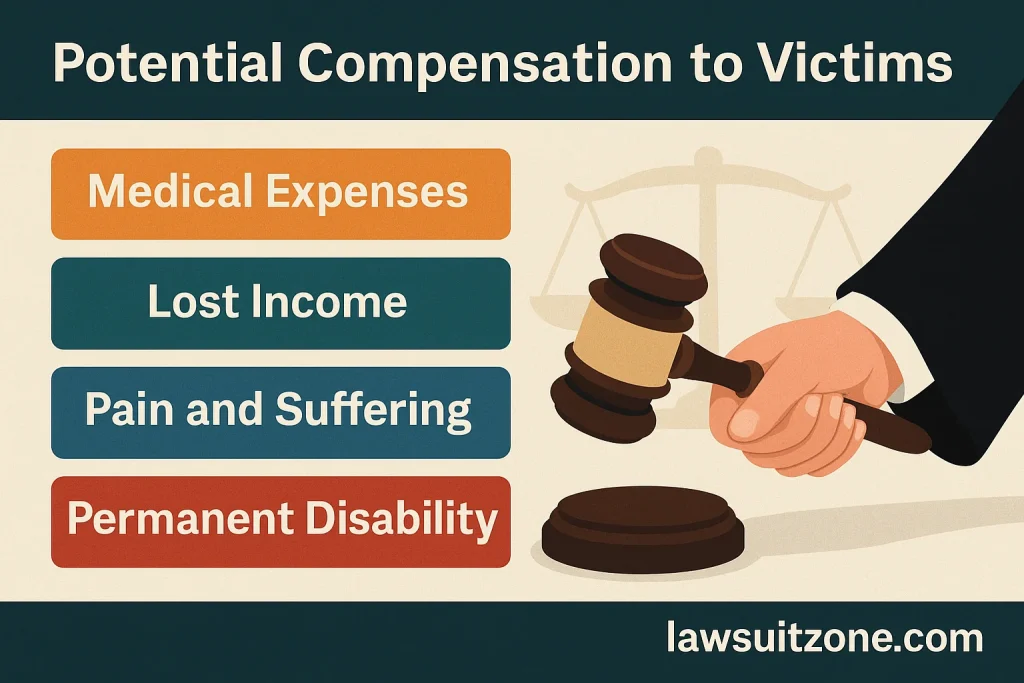
Compensation varies depending on the severity of the injury and personal conditions, but damages may include:
- Medical Expenses: Cost of revision surgery, rehab, and medication.
- Lost Income: Missed work and reduced earning capacity.
- Pain and Suffering: Chronic pain, anxiety, and reduced quality of life.
- Permanent Disability: For those who lost mobility or had to undergo several surgeries.
- Punitive Damages: These are in extreme cases to penalize negligence or misconduct.
How Long Do You Have to File a Claim?
The statute of limitations for filing an Exactech lawsuit depends on your state — usually between one and three years from the date you discovered, or should have discovered, the injury.
Even if your implant hasn’t failed yet, consulting an attorney early ensures you don’t miss key filing deadlines.
Current Status of the Exactech Lawsuit
As of 2025:
- Thousands of cases have been aggregated as part of MDL No. 3044, pending in the U.S. District Court for the Eastern District of New York.
- Discovery is ongoing, with the first bellwether trials expected in 2026.
- Settlement talks are underway, though no global settlement has yet been announced.
- Exactech continues to deny liability, stating that packaging defects were “unintentional” and that “the company remains committed to patient safety.”
What Victims Are Saying
Patients report both physical and emotional suffering:
“I trusted this implant would last for decades. Within three years, my knee felt unstable, and I had to undergo revision surgery,” said one plaintiff.
“It wasn’t just the pain — it was the betrayal. I lost trust in the medical system,” said another patient.
These testimonials echo a common theme across product liability cases: when corporations fail, it’s ordinary people who pay the price.
How to Protect Yourself Moving Forward
Even if you haven’t yet filed a lawsuit, you can take steps today:
- Verify your implant model number and serial number.
- Make an appointment with your doctor if you experience pain, swelling, or instability.
- Document all doctor visits, bills, and correspondence.
- Consult a qualified attorney who handles medical device cases.
- Avoid discussions of your medical situation on social media — insurers often monitor postings.
Taking control early sets up the best opportunity for fair compensation and medical recovery.
Broader Impact on the Medical Industry
The Exactech lawsuit is forcing the orthopedic industry to reevaluate safety standards. Regulators and hospitals now emphasize:
- Improved packaging for polyethylene elements.
- Stricter FDA post-market surveillance.
- More transparency in device testing and recalls.
- Improved patient education regarding long-term risks.
Equally important, this litigation sends a vital reminder to manufacturers that innovation without oversight can carry substantial human costs.
To get verified updates on medical device recalls, lawsuits, and patient safety regulations, visit the official U.S. Food and Drug Administration (FDA) website an authoritative resource trusted by both patients and attorneys.
Frequently Asked Questions (FAQs)
Final Thoughts
What the Exactech litigation shows is that every great leap in medicine must be balanced with proportionate accountability. Patients entrusted their health to Exactech, and when that trust was betrayed, the law provided a path toward justice.
If you suspect your implant was defective or recalled, take action now. Gather your records, speak to your doctor, and consult a product-liability attorney. Legal action isn’t about punishment it’s about protection, compensation, and preventing future harm.
In the end, patient safety is more than a slogan; it’s a responsibility. The Exactech lawsuit is helping to make sure that responsibility is taken seriously throughout the entire healthcare industry.
Disclaimer Note:
This article is for information purposes only and should not be used or considered as legal advice. Always consult with an attorney if you have specific case questions.