When $1 Million Isn’t Enough: Finding Liable Parties in California Catastrophic Injury Cases
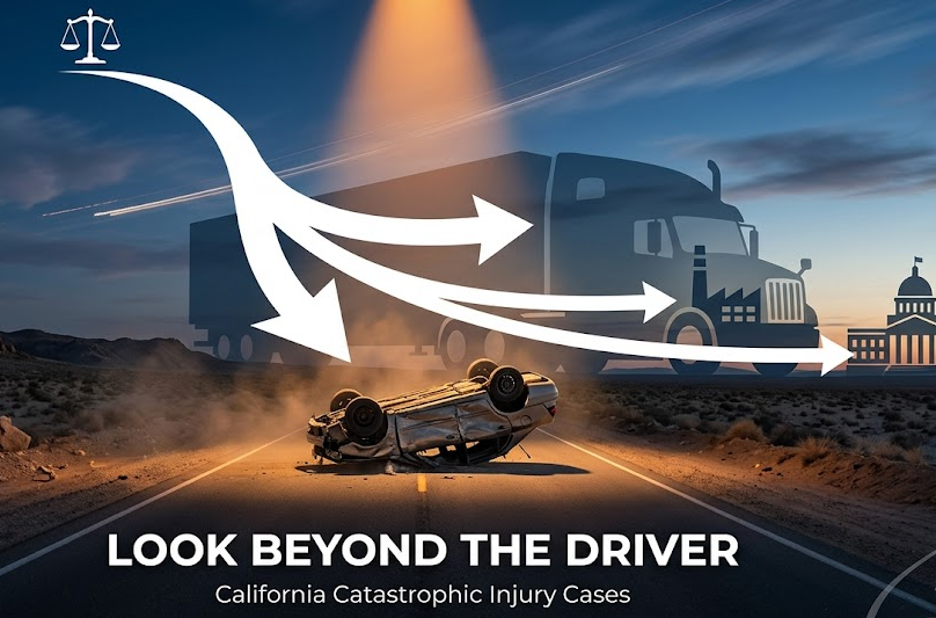
A severe accident changes a life in a fraction of a second. When an incident results in a traumatic brain injury, spinal cord damage, or an amputation, the immediate medical crisis quickly becomes a permanent financial one. In California, many drivers carry the state minimum auto insurance policy. Even if an at-fault driver carries a seemingly substantial policy of $250,000 or $1 million, that entire sum can be completely drained during the initial weeks of intensive care, surgeries, and medical air lifts. When dealing with life-altering injuries, a standard auto insurance policy is rarely enough to cover a lifetime of specialized medical care and lost wages. To ensure financial survival, it is often necessary to look past the individual driver to identify third parties with greater financial responsibility. Consulting specialized professionals in a particular area such as Riverside catastrophic injury lawyers, can help victims uncover these alternative avenues of liability.
The Corporate Route: Vicarious Liability and Employment Law
One common way to secure appropriate compensation is by examining whether the at-fault driver was working at the time of the collision. Under the legal doctrine of respondeat superior, which is codified in California civil law, an employer is held liable for the negligent actions of their employees, provided those actions occurred within the scope of employment. For instance, if a commercial truck driver causes a major collision because a shipping company forced them to violate driving hour regulations, the company shares the blame. This concept applies to standard passenger vehicles as well. If an employee causes a crash while running a company errand or driving to an off-site client meeting, the employer can be held vicariously liable. Because corporate entities carry large commercial liability insurance policies offering multi-million dollar coverage limits, this avenue provides a realistic path to funding long-term care.
Vehicle Failure: Pursuing Strict Product Liability
Sometimes a crash occurs due to a driver’s mistake, but the severity of the injury is caused by a mechanical failure. Under strict product liability laws in California, a victim does not have to prove that an auto manufacturer was intentionally careless. Instead, they only need to show that a defect in the vehicle caused or worsened their injuries. These defects generally fall into three categories. Design defects occur when a vehicle is inherently unstable, such as an SUV prone to rolling over. Manufacturing defects happen when an error occurs during assembly, such as a faulty batch of tires. Finally, a failure to warn occurs when a manufacturer hides known risks, like a growing issue with automated driving software systems. Experienced legal teams often preserve the involved vehicles to allow forensic engineers to inspect them for failed airbags or defective seatbelts.
Dangerous Roads: Government and Premises Liability
Public entities in California have a legal obligation to maintain roads and highways in a reasonably safe condition. According to California Government Code Section 835, a city, county, or state agency like Caltrans can be held liable for injuries caused by a dangerous condition on public property. This might include poorly timed traffic signals, missing guardrails on sharp highway curves, or a known failure to trim blind-spot-inducing trees. However, suing a government entity involves a major procedural hurdle. While the standard personal injury statute of limitations in California is two years, the California Tort Claims Act dictates that claims against government entities must be filed within six months of the accident. Failing to meet this strict deadline means losing the right to sue permanently.
Understanding Pure Comparative Negligence
A common reason victims hesitate to seek legal help is the mistaken belief that they cannot recover compensation if they contributed to the accident. California operates under a pure comparative negligence system, meaning a victim can still recover damages even if they share some of the blame. If a jury determines that a speeding victim was forty percent at fault for a crash, but a defective vehicle component was sixty percent responsible for the resulting paralysis, the victim can still recover sixty percent of the total award. In a catastrophic case where lifetime care is valued at ten million dollars, this system still secures six million dollars for the victim.
Protecting Your Future Financial Security
A catastrophic injury requires a legal strategy that matches the scale of the losses. Accepting a quick settlement from an individual driver’s insurance company can permanently bar a victim from pursuing corporate or government entities that possess the resources to fully cover a lifetime of care. Before signing any insurance releases or accepting a payout, a thorough investigation into all potential sources of liability is essential to safeguarding your long-term well-being.