
How a DUI Crash Attorney Fights for Victims of Impaired Drivers
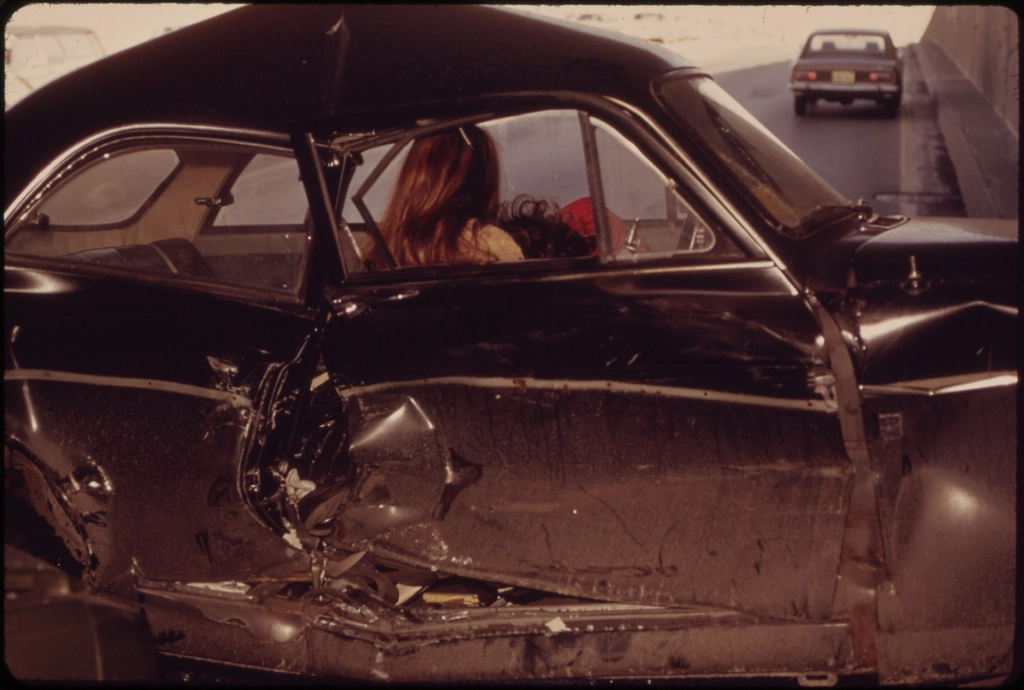
DUI lawyers help people understand the legal consequences of impaired-driving incidents and the options available when a case raises questions about responsibility or injury. For those seeking legal assistance, a Bakersfield DUI lawyer can offer guidance shaped by California law and the circumstances surrounding an impaired-driving incident. Bakersfield’s roads connect residential communities, business districts, agricultural areas, and regional travel routes, making road safety a key concern for people who rely on daily transportation. When an impaired-driving incident causes serious harm, the effects can reach beyond the immediate event, leaving individuals and families facing uncertainty about their next steps.
Understanding the legal issues can be difficult, especially for people unfamiliar with how civil claims and criminal proceedings differ. Legal counsel can clarify those distinctions and provide a more informed perspective on your options. For Bakersfield residents affected by an impaired-driving incident, knowledgeable guidance can help you approach the legal process with more confidence and direction.
Building a reliable record
A lawyer can obtain the crash report, dispatch records, scene photographs, and available video. Nearby businesses, traffic cameras, or vehicle systems may have recordings that disappear when files are overwritten. Contact witnesses promptly while their recollections remain clear.
An attorney compares the driver’s account with physical evidence, including impact points, skid marks, road conditions, and vehicle damage. Medical records connect the crash to diagnosed injuries and treatment. A clear timeline can reveal gaps between the collision, the driver’s drinking, and later explanations.
How the criminal case fits
Police and prosecutors handle the criminal DUI case, while an injured person’s claim follows a separate process. A conviction can support a civil claim, but the injured person must still show that the driver’s conduct caused harm. An attorney can obtain available court records and follow the criminal case without relying solely on its outcome.
Proving fault and losses
California drivers must use reasonable care. People injured by careless driving can seek damages by showing how the driver caused the crash and resulting harm. Evidence of impairment matters, but the claim still depends on proof of liability and injury.
Compensation can cover reasonable medical expenses, lost wages, and documented property damage. Claims for future care or reduced earning ability require supporting records and sometimes professional analysis. A lawyer organizes bills, treatment notes, wage information, and repair estimates into an evidence-backed demand.
The record should also explain how pain affects sleep, movement, household tasks, or family responsibilities. Specific examples show the impact on daily life without replacing medical evidence or overstating symptoms.
Accounting for shared fault
California uses comparative negligence, which allows insurers to argue that an injured person shares responsibility. Shared fault does not automatically defeat a claim, but it can reduce damages. Scene evidence, witness accounts, and consistent medical records help answer those arguments.
California generally gives an injured person two years from the date of injury to file a personal injury lawsuit. Different rules apply in some cases. For example, claims involving public entities often require an administrative claim much sooner. A lawyer checks the applicable deadline and acts before it expires.
Handling insurance pressure
Insurance adjusters may request recorded statements or broad medical authorizations. A victim can provide basic facts without guessing about speed, distance, or symptoms. Before signing a release, the injured person should confirm which claims it closes and whether treatment remains necessary.
An attorney can review insurance coverage, compare an offer with documented losses, and identify disputed issues. Other policies could apply if the driver has limited insurance, depending on the facts and policy terms. A quick settlement can leave future expenses unpaid, so calculations should account for known treatment plans.
When a claim goes to court
Some claims do not settle through negotiation. If insurers dispute fault, injury severity, or future care costs, litigation provides a formal process for presenting evidence. A lawyer prepares witnesses, organizes medical records, and tests the opposing account through discovery.
At trial, the injured person must prove the claim under the applicable civil standard. The attorney presents the evidence, prepares the client to testify, and asks the jury to award damages supported by the record. Thorough preparation also supports settlement discussions before trial.
Taking Informed Steps After an Impaired-Driving Crash
After a DUI crash, seek medical care, preserve photos and messages, and avoid guessing about what happened. Keep notes about calls with insurers, along with bills, work records, and repair estimates. A prompt case review can identify evidence to request and deadlines to verify. When choosing counsel, ask who will handle the claim, how they will provide updates, and which documents the client should gather next.