Comprehensive Guide to Detention Tanks and Their Applications
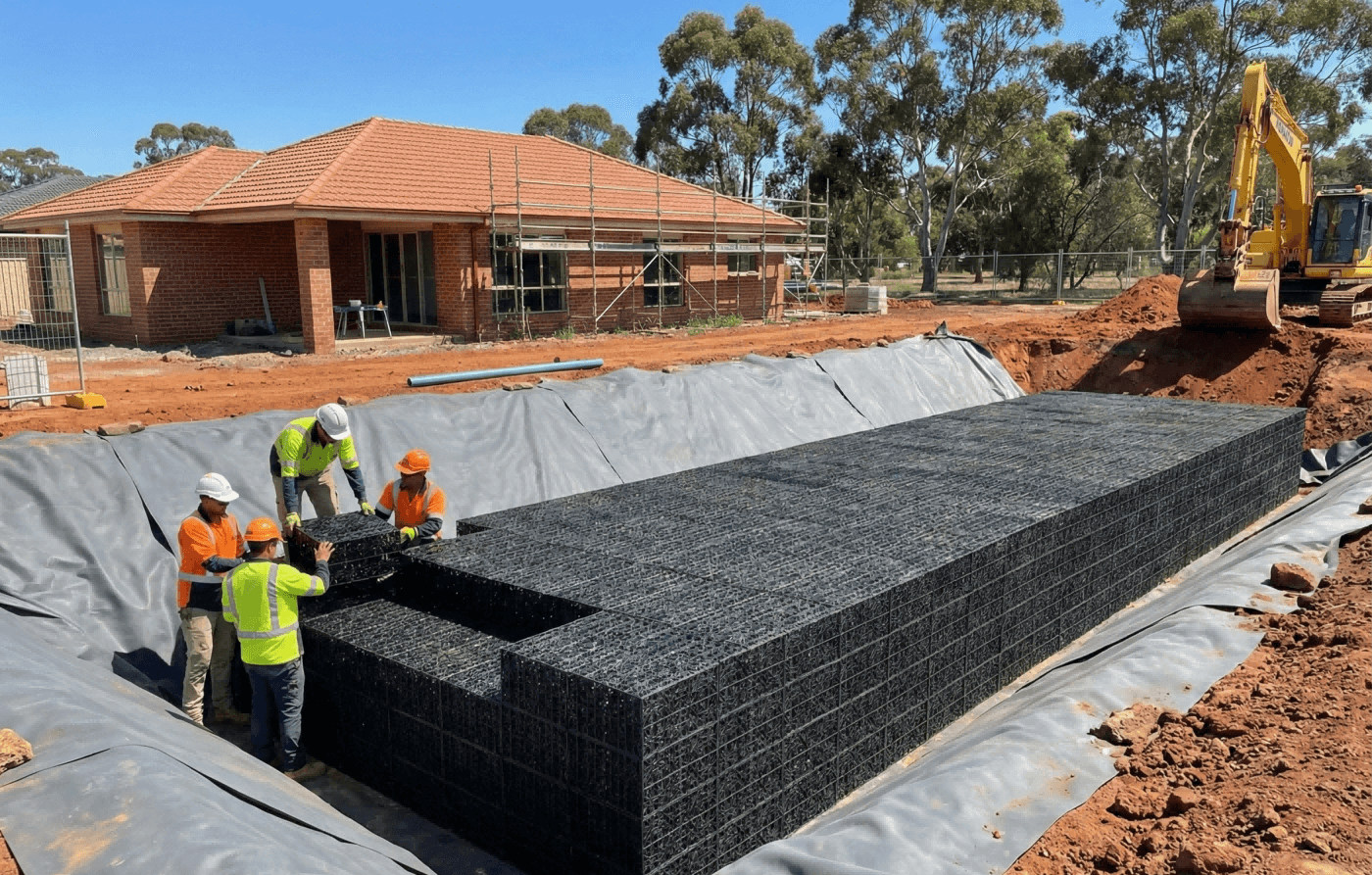
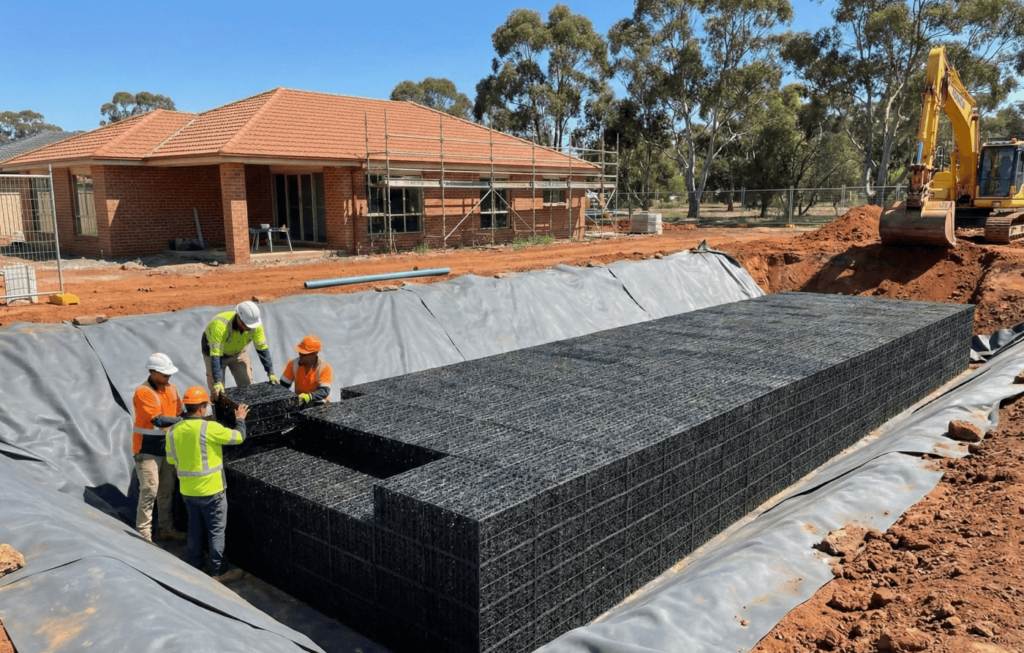
Detention tanks play a critical role in modern water management systems, particularly in urban and industrial areas where controlling stormwater runoff is essential. These systems help mitigate flooding risks, improve water quality, and promote sustainable development. Understanding detention tanks, their design, applications, and benefits is vital for engineers, planners, and property developers.
What Are Detention Tanks?
Detention tanks are engineered structures designed to temporarily store stormwater or surface runoff. Unlike retention tanks that hold water permanently, detention tanks hold water for a limited period and release it at a controlled rate. This delayed discharge helps reduce peak flow rates entering downstream watercourses or drainage systems, thereby lowering flood risks.
Key Components of Detention Tanks
Typically, detention tanks consist of a storage chamber, inlet and outlet structures, and sometimes a flow control device. The design of these elements influences the detention period, storage capacity, and outflow rate, ensuring the system meets specific hydrological requirements. The tanks can be constructed from various materials including concrete, plastic, or steel, with underground options gaining popularity for their space-saving benefits.
Underground Detention Tanks
A significant advantage of underground detention tanks is their minimal footprint above ground, allowing for usage in densely populated areas where land is limited. These systems are often modular and can be tailored to different site constraints. Several manufacturers provide solutions focusing on durability and ease of installation. For detailed specifications and options, one may refer to trusted providers of detention tanks.
Primary Functions of Detention Tanks
The fundamental purpose of detention tanks is flood control by attenuating runoff peaks. When heavy rainfall occurs, these tanks temporarily hold excess water that would otherwise overwhelm stormwater systems. After the rainfall event subsides, the stored water is gradually released into receiving waters or drainage infrastructure, maintaining downstream capacities.
Besides flood mitigation, detention tanks support water quality improvement by allowing sediments and pollutants to settle before the water is discharged. Some advanced designs include filtration or treatment components, enhancing environmental protection.
Stormwater Management
Stormwater management is a significant concern in urban development. Impervious surfaces lead to rapid runoff, increasing flood risks and pollutant loads. Detention tanks provide a technical solution by managing the quantity and quality of stormwater, helping to meet regulatory requirements and environmental standards.
Applications of Detention Tanks
Detention tanks have diverse applications across municipal, commercial, industrial, and residential sectors. Their use is often mandated or recommended in developments involving increased impervious surfaces or in flood-prone regions.
Urban and Municipal Uses
Many councils implement detention tanks as part of stormwater master plans. These tanks help reduce load on municipal drainage systems during storms and protect sensitive waterways from erosion and contamination. Often integrated with other green infrastructure, detention tanks contribute to sustainable urban drainage systems (SUDS).
Commercial and Industrial Sites
In commercial developments like shopping centres or industrial parks, detention tanks manage runoff from extensive paved areas. They reduce the risk of infrastructure damage and environmental liabilities by controlling discharge rates and treating runoff before release.
Residential Developments
Detention tanks are increasingly used in housing developments to manage increased runoff from roofs, driveways, and roads. Their inclusion permits more extensive development without added flood risk, ensuring compliance with planning guidelines.
Design Considerations for Detention Tanks
Several factors influence the design of detention tanks. These include catchment area characteristics, rainfall intensity, allowable discharge rates, and site constraints. Hydrological modelling is indispensable to define tank capacity and outlet control mechanisms that align with safety and regulatory standards.
Space availability often dictates whether above ground or underground detention tanks are preferred. Underground options are advantageous in urban areas but may be more costly to install. Maintenance access and system integration with existing infrastructure must also be considered.
Material Selection
Material choice impacts durability, maintenance, and installation cost. Concrete tanks are robust but may require longer construction time, whereas plastic or modular tanks offer quicker installation and flexibility. Corrosion resistance and structural strength should be evaluated based on site conditions.
Benefits of Using Detention Tanks
The adoption of detention tanks presents numerous benefits. Primarily, they reduce flood risks by managing runoff volumes and peak discharges. This protection extends to public safety, property preservation, and infrastructure resilience.
Environmental advantages include improved water quality and reduced erosion downstream. Detention tanks also support urban development by enabling compliance with increasingly stringent stormwater management regulations.
Economic Impact
While installation of detention tanks entails upfront costs, it can result in long-term savings by reducing flood-related damages. Additionally, properties with effective stormwater management systems tend to be more attractive to investors and developers.
Maintenance and Longevity
Proper maintenance of detention tanks ensures continued performance. Routine inspection removes accumulated sediments and debris that could obstruct flow or reduce storage capacity. Maintenance frequency depends on tank design, usage, and environmental conditions.
Long-term durability is achievable when tanks are constructed from quality materials and designed to accommodate anticipated loads and conditions. Implementing maintenance plans is a best practice recommended by water management authorities.
Regulatory Framework and Guidelines
Compliance with local regulations and standards is essential for detention tank installations. Guidelines typically govern design parameters, discharge limits, and environmental impact assessments. Understanding these requirements early in the project helps avoid costly redesigns and permits delays.
Consultants often recommend engaging with regulatory bodies during planning phases to verify compliance and obtain necessary approvals for detention tank projects.
Innovations in Detention Tank Technology
Recent advancements have enhanced the functionality and adaptability of detention tanks. Integration with smart monitoring systems enables real-time tracking of water levels, improving operational efficiency. Modular tank systems allow scalable installations suited to project size and future expansion.
Additionally, combining detention tanks with green infrastructure elements, such as bioswales or permeable pavements, creates a holistic approach to stormwater management that benefits both urban environments and ecosystems.
Conclusion
Detention tanks represent an effective engineering solution for managing stormwater, reducing flood risks, and improving urban water quality. Their application spans across sectors, supporting sustainable development and regulatory compliance. Selecting appropriate designs and materials, adhering to maintenance protocols, and integrating with broader environmental strategies are critical to achieving optimal outcomes.
For those seeking high-quality underground detention tanks, exploring trusted suppliers and product offerings is recommended to ensure the selection of appropriate systems tailored to specific project requirements. Interested parties can find more information at detention tanks providers specialising in underground solutions.