After a Truck Accident: How Australian Victims Can Protect Their Legal Rights
Introduction
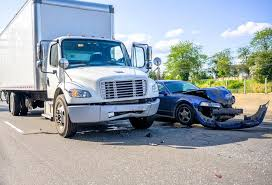
Truck accidents are among the most serious road incidents in Australia. Because commercial trucks are significantly larger and heavier than passenger vehicles, collisions often result in severe injuries, long recovery periods, and substantial financial stress for victims and their families. In many cases, individuals are left dealing with medical bills, lost income, and ongoing rehabilitation while also trying to understand their legal options.
Navigating the aftermath of a truck accident can be overwhelming. Unlike ordinary car accidents, truck-related claims often involve multiple parties, including drivers, transport companies, and insurance providers. Each may have legal teams working to minimize liability.
For victims, understanding how compensation claims work and taking the right steps early can make a major difference in the outcome of their case. With proper legal guidance and careful documentation, injured individuals can better protect their rights and pursue the compensation they deserve.
Understanding Truck Accident Claims in Australia
Truck accident claims in Australia are designed to help injured victims recover financial losses and manage the long-term impact of their injuries. These claims typically cover several types of compensation, depending on the severity of the accident and the circumstances surrounding it.
Common forms of compensation include medical expenses, rehabilitation costs, lost income, and damages for pain and suffering. In severe cases, victims may also be able to claim future loss of earnings if their injuries prevent them from returning to work.
Determining liability in a truck accident can be complex. Responsibility may fall on multiple parties, including the truck driver, the transportation company, maintenance providers, or even the manufacturer of defective vehicle components. Because of this complexity, gathering strong evidence is crucial.
In certain regions of Australia, compensation schemes such as the Transport Accident Commission (TAC) help support victims. These programs can cover medical treatment and rehabilitation while legal claims are being assessed. However, strict deadlines apply, meaning individuals must act quickly to ensure their rights remain protected.
Understanding the structure of these claims early helps victims make informed decisions about their legal options and financial recovery.
Steps to Take After a Truck Accident
The actions taken immediately after a truck accident can significantly influence the success of a compensation claim. While safety and medical care should always be the first priority, documenting the incident properly can help protect legal rights later.
First, victims should seek medical attention as soon as possible—even if injuries seem minor. Some conditions, such as internal injuries or whiplash, may not appear immediately but can worsen over time. Medical records also serve as important evidence when filing a claim.
Reporting the accident to the police is another essential step. A police report provides an official account of the incident, which can later help clarify fault and support insurance or legal proceedings.
Collecting evidence at the scene can also be valuable. Photographs of the vehicles, road conditions, and visible injuries can strengthen a claim. Witness contact information should also be gathered whenever possible.
Finally, speaking with an experienced truck accident lawyer early in the process can help victims understand their legal rights, avoid common mistakes, and begin building a strong case for compensation.
Why You Need a Specialized Truck Accident Lawyer
Truck accident claims are far more complicated than standard car accident cases. Because commercial vehicles are typically operated by companies and covered by specialized insurance policies, legal disputes often involve multiple stakeholders and extensive documentation.
A specialized legal professional understands the regulations that govern the trucking industry, including driver fatigue laws, maintenance requirements, and employer liability. These factors can play a critical role in determining who is responsible for the accident.
Legal experts also help victims navigate negotiations with insurance companies. Insurers often attempt to settle claims quickly and for lower amounts than victims may be entitled to receive. Experienced lawyers ensure that all damages—including long-term medical needs and lost future income—are properly evaluated.
Firms with experience in truck accident cases also understand how to gather key evidence such as vehicle maintenance logs, driver records, and accident reconstruction reports. These details can make a significant difference in proving liability and securing fair compensation.
Choosing the right legal representation can therefore have a direct impact on both the strength of a case and the final settlement outcome.
Common Questions About Truck Accident Claims
Many truck accident victims have similar concerns when considering a legal claim. One common question is whether compensation can still be pursued if the victim was partly at fault. In Australia, the principle of contributory negligence may apply, meaning compensation can still be awarded, although it may be reduced based on the victim’s level of responsibility.
Another frequent concern involves the timeline of a claim. Truck accident cases can take several months or even years depending on the complexity of the case, medical recovery timelines, and negotiations with insurers.
Victims also often ask what happens if the accident involved a work vehicle. In these situations, additional claims may be available through workers’ compensation systems alongside standard personal injury claims.
Finally, many individuals want to know how much compensation they might receive. The amount varies widely based on the severity of injuries, medical expenses, loss of income, and long-term lifestyle impacts. A proper legal evaluation is usually necessary to determine the true value of a claim.
Understanding these issues can help victims approach the legal process with greater confidence and clarity.
Conclusion
Truck accidents can have life-altering consequences for victims and their families. From serious injuries to financial instability, the aftermath of these collisions often extends far beyond the initial incident.
Understanding how compensation claims work—and taking the right steps immediately after an accident—can significantly improve a victim’s chances of receiving fair financial recovery. Medical documentation, proper reporting, and strong evidence all play important roles in building a successful claim.
Equally important is seeking guidance from experienced legal professionals who understand the complexities of truck accident litigation. With the right expertise, victims can navigate insurance negotiations, identify responsible parties, and pursue the full compensation they are entitled to under Australian law.
As commercial trucking continues to play a vital role in Australia’s economy, ensuring that accident victims receive proper legal support remains essential. Acting quickly and making informed decisions can help protect both legal rights and long-term financial security.