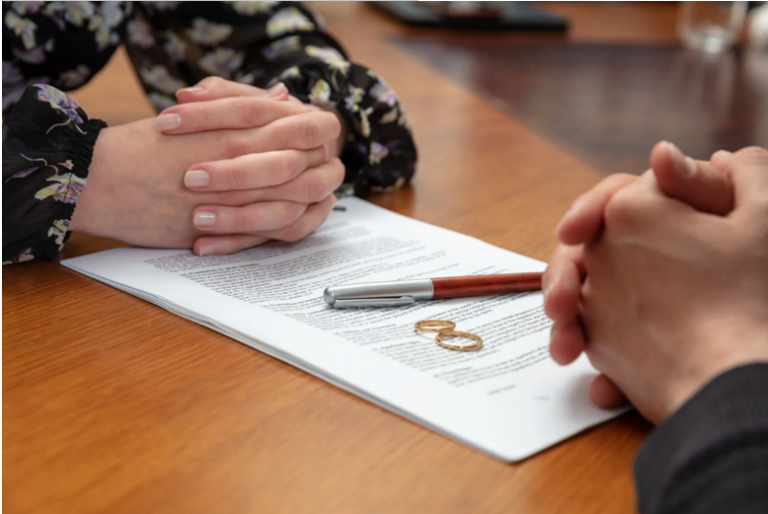
Can You Date While Going Through a Divorce in Texas?


Quick Answer: Dating while going through a divorce in Texas is technically legal. No law prohibits it. However, dating before your divorce is final can affect how a judge divides your property, whether you receive spousal support, and in some cases, how custody is handled. Legal and emotionally clear are two very different things.
Can you date while going through a divorce in Texas? The short answer is yes, you can. Texas does not criminalize dating during a divorce. However, just because something is legal does not mean it is without consequences. What happens in your personal life during a divorce can show up in the courtroom in ways that surprise people. Before you swipe right or say yes to a date, it helps to understand what is actually at stake.
Is Dating During a Divorce Considered Adultery in Texas?
This is where things get complicated. Texas law defines adultery as voluntary sexual intercourse between a married person and someone who is not their spouse. Technically, you are still legally married until a judge signs the final divorce decree. That means a sexual relationship with a new partner during your divorce proceedings could meet the legal definition of adultery under Texas law.
Why does that matter? Texas allows fault-based divorce. If your spouse files on adultery grounds and can prove it, a judge can factor that fault into how the marital estate gets divided. Texas courts divide community property in a way that is “just and right,” and a proven fault ground gives a judge the authority to award a larger share to the innocent spouse. In other words, dating during your divorce could end up costing you money.
How Can Dating Affect Property Division?
Property division is the area where new relationships during a divorce create the most financial risk. Two specific scenarios come up regularly.
First, there is the question of community funds spent on a new partner. Texas is a community property state. During the marriage, money earned by either spouse belongs to both of them equally. If you spend marital funds on dinners, travel, gifts, or other expenses for a new romantic interest before the divorce is final, your spouse can argue those expenditures wasted community assets. Courts take that seriously. A judge can order reimbursement from your share of the estate for money spent on the relationship.
Second, there is the question of fault. Even if your new relationship does not technically start until after separation, the timing matters. A relationship that began before the separation, or that your spouse can argue began before, can support a fault-based claim. The result could be a less favorable division of assets than you would have received in a no-fault divorce.
What About Spousal Maintenance?
Adultery can affect spousal maintenance in two directions. If you are the spouse seeking maintenance and you begin a new sexual relationship during the divorce, your spouse can argue the adultery reduces or eliminates your right to support. If you are the spouse who would pay maintenance, and your spouse can prove you committed adultery, a judge may award the maximum allowable amount to the other party.
Texas already sets strict eligibility requirements for spousal maintenance. Adding an adultery finding into the mix gives a judge even more room to adjust the outcome. That adjustment rarely goes in the cheating spouse’s favor.
Can Dating Affect Child Custody?
In most cases, dating alone does not directly affect child custody in Texas. Courts make custody decisions based on the best interests of the child, and a parent dating someone new does not automatically make them a worse parent. However, the specifics of the relationship can matter.
If a new partner has a criminal history, a history of substance abuse, or poses any risk to the children, a court will factor that in. If a parent introduces a new romantic partner to the children too quickly, or if the children show signs of distress related to the new relationship, a judge will want to know. The relationship itself is usually not the problem. How it intersects with the children’s lives is where courts pay close attention.
The practical advice most attorneys give: keep new relationships away from the children until the divorce is final and the dust settles. It is not worth the risk of giving the other parent ammunition to use in a custody hearing.
What If You Were Already Separated Before Dating?
Texas does not recognize legal separation the way some other states do. Living apart from your spouse does not change your legal marital status. You are married until the court says otherwise. That means the legal risks of dating during a divorce apply regardless of how long you and your spouse have been living separately. Separation in the practical sense offers no legal protection when it comes to adultery claims or community asset questions.
Does It Matter Who Files First?
Filing for divorce first does not change the adultery analysis. Both spouses remain legally married throughout the proceedings. The filing date does not create a legal separation date that protects either party from fault-based claims. Until the final decree is signed and entered by the court, both spouses are still bound by the legal definition of marriage under Texas law.
What Is the Smartest Move If You Want to Start Dating?
The smartest move is to wait until the divorce is final. That advice is simple, but it is grounded in real legal risk. A new relationship that begins before the final decree carries financial, custody, and fault-based exposure that disappears the moment the marriage is legally dissolved.
If waiting feels impossible, at minimum talk to a divorce attorney before making any decisions. Every case is different. The impact of a new relationship depends on the specific facts of your divorce, the size of your marital estate, whether custody is contested, and what your spouse is willing to do with the information. An experienced attorney can assess your specific situation and tell you exactly where the risks lie.
If you are navigating a divorce in Texas and want to understand how your choices during the process could affect the outcome, the team at McCarty-Larson, PLLC handles divorce cases throughout North Texas and offers free consultations. Getting clear on your rights early is always better than dealing with the consequences later.
So Should You Actually Wait to Start Dating?
Dating during a divorce in Texas is legal. It is also risky in ways most people do not anticipate until they are already dealing with the fallout. Property division, spousal maintenance, and custody are all areas where a new relationship can create problems that a little patience would have avoided entirely.
The divorce process in Texas has a mandatory 60-day waiting period built in. For most people, the full process takes several months. Waiting until it is over is not a long time in the context of what you stand to protect. Make the decision with full information, not just the knowledge that nothing is technically illegal. Legal and smart are not always the same thing.