R4VE Pouches, Club Culture, Style and Regulation Today
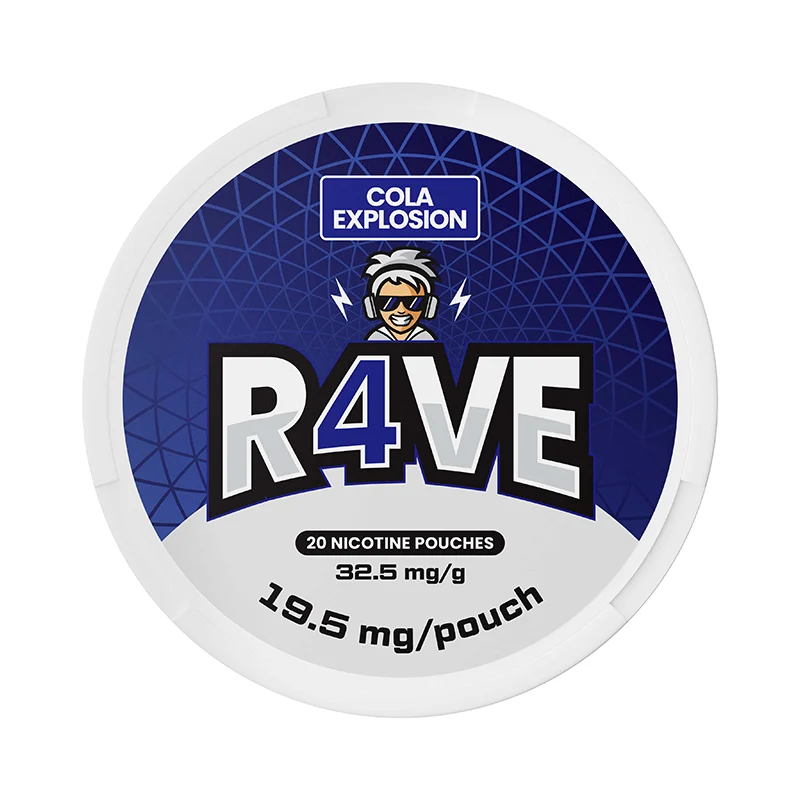
R4VE Nicotine Pouches And Club Culture Branding
R4VE nicotine pouches sit at a very particular crossroads where nightlife style, youth culture and nicotine regulation all meet. The brand looks and feels like something pulled straight from a club flyer wall, yet it still has to exist within the rules that govern tobacco‑adjacent products. Understanding how R4VE pouches work, and how the branding operates, helps put this new wave of nicotine style in context.
From dance floor to pocket
R4VE is built around the idea that nicotine can be packaged with the same visual language as club posters and festival lineups. Neon colour palettes, bold typography and a name that practically sounds like a late‑night event all feed into that concept. Retailers such as Gigasnus show how this aesthetic plays out across the range; those who want to explore the full collection can check it out as a curated showcase of the brand’s identity.
Flavours that echo the playlist
When people talk about R4VE pouches, they usually start with flavour. The line leans heavily into sharp, punchy profiles that would not feel out of place on a cocktail menu or energy drink list. Think bright mint, icy fruit mixes and candy‑leaning blends, all designed to hit fast and clean without smoke, vapour or ash.
This focus on bold taste is one reason the brand has gained traction with a trend‑conscious crowd. R4VE pouches are portioned for discretion, but the flavour names and artwork are anything but shy. For many users, the experience is as much about the culture around the can as the nicotine itself: swapping tins at pre‑drinks, lining them up on the table and comparing strengths and tastes like tracks in a playlist.
Style cues and youth appeal
The design language behind R4VE nicotine pouches is very deliberate. The cans borrow from club flyers, streetwear drops and music festival branding. That kind of styling makes the product instantly recognisable in a bag or on a bar table and helps it fit seamlessly into nightlife routines.
At the same time, that very appeal is what draws attention from regulators and lawyers. Any nicotine product that leans heavily into youth‑coded aesthetics has to be careful about where and how it is presented. Marketing teams must navigate age‑verification rules, advertising standards and restrictions on placement at events or online spaces that skew younger. The line between clever branding and inappropriate targeting is closely watched, and brands in this space are aware that missteps can trigger complaints or formal action.
Where lifestyle meets regulation
R4VE pouches also sit within a complex legal map. Different countries treat nicotine pouches in different ways: some see them as consumer products with specific labeling rules, while others regulate them more like traditional tobacco or pharmaceutical items. That affects everything from strength limits to health disclosures, packaging details and cross‑border sales.
From a consumer‑rights angle, the key questions focus on transparency and consistency. Do the cans clearly show nicotine strength in terms an everyday buyer can understand? Are flavour names and graphics clear enough that adults know what they are getting, without blurring into something that might appeal primarily to minors? And if future lawsuits emerge around any pouch brand, courts will look closely at what was promised on the label versus what was actually delivered.
In that sense, R4VE nicotine pouches are a snapshot of a much bigger shift. Nicotine is being reimagined through the lens of club culture and lifestyle branding, while lawmakers work out how to keep up. Watching how brands like this balance bold aesthetics with legal frameworks offers a useful window into where nightlife, consumer law and modern nicotine habits may be heading next.